
Lawn edging can make a big difference in your yard’s appearance, adding structure and style to your garden beds and walkways. From classic stone borders to modern metal strips, there are plenty of options to suit every taste. Let’s explore some creative lawn edging ideas that can enhance your outdoor space and give it that polished look!
Natural Stone Borders
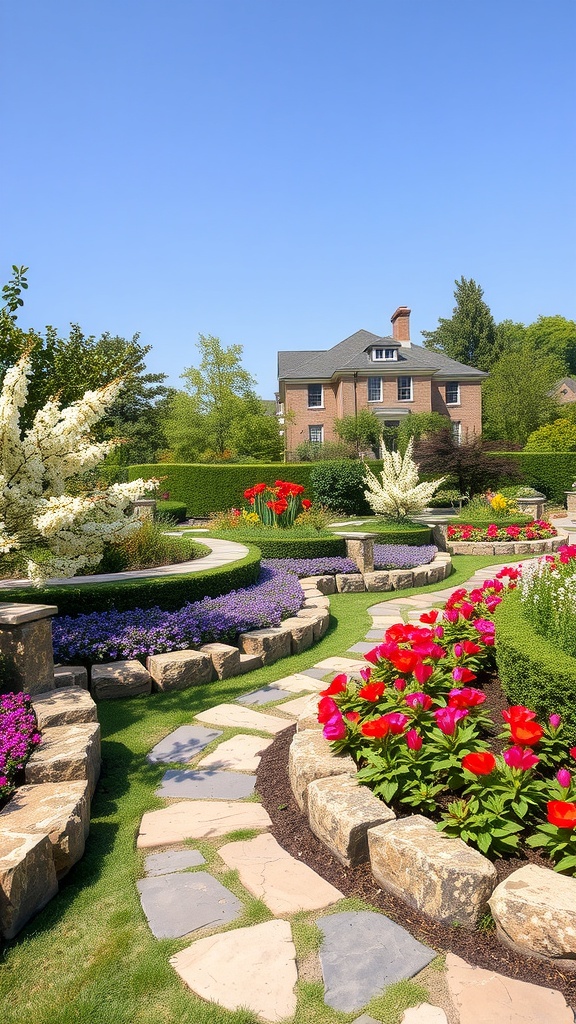
Natural stone borders can add a charming touch to any garden. They create a clear division between different areas, making your outdoor space feel organized and inviting.
In the image, you can see how the stones are arranged along the flower beds. This not only enhances the beauty of the flowers but also helps to keep the soil in place. The mix of colors from the flowers and the earthy tones of the stones creates a lovely contrast.
Using natural stones is a great way to bring a bit of nature into your garden design. They blend well with the greenery and can be shaped to fit any layout. Whether you prefer a rustic look or something more polished, there’s a stone style for everyone.
These borders are also practical. They can help with drainage and prevent weeds from creeping into your flower beds. Plus, they require little maintenance, making them a smart choice for busy gardeners.
Concrete Curbing
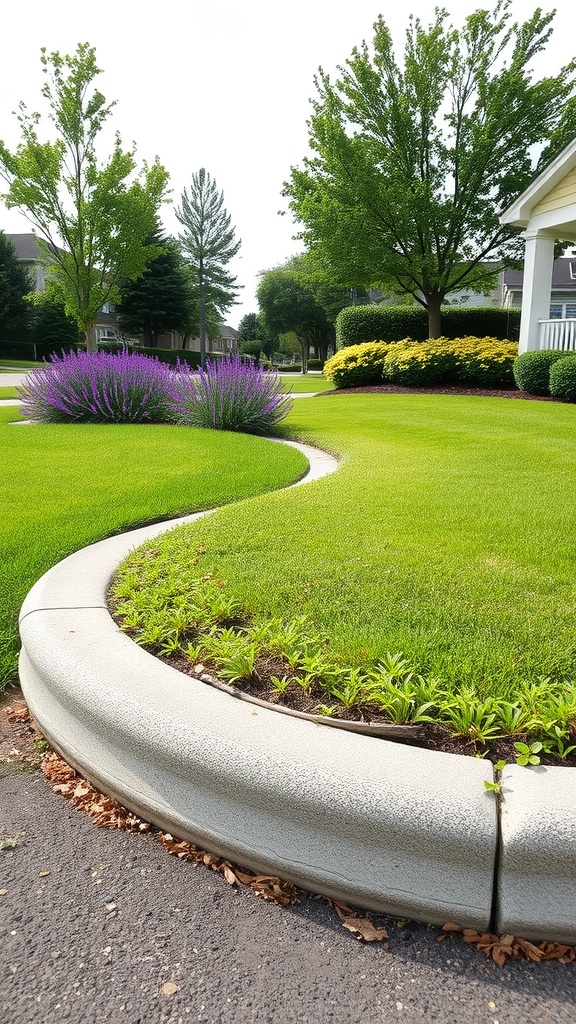
Concrete curbing is a fantastic way to define your garden beds and lawn areas. It creates a clear boundary that keeps grass and plants neatly separated. The smooth curves of the concrete add a modern touch to any landscape.
In the image, you can see a beautifully manicured lawn with vibrant purple flowers and lush greenery. The concrete edging complements the natural beauty while providing structure. This kind of edging is durable and requires little maintenance, making it a practical choice for busy homeowners.
Another great feature of concrete curbing is its versatility. You can choose different colors and styles to match your home or garden theme. Whether you prefer a classic look or something more contemporary, there’s a concrete option for you.
Plus, it helps prevent weeds from creeping into your flower beds. With concrete curbing, you can enjoy a tidy garden without the hassle of constant upkeep. It’s a smart investment for anyone looking to enhance their outdoor space.
Brick Paver Edging
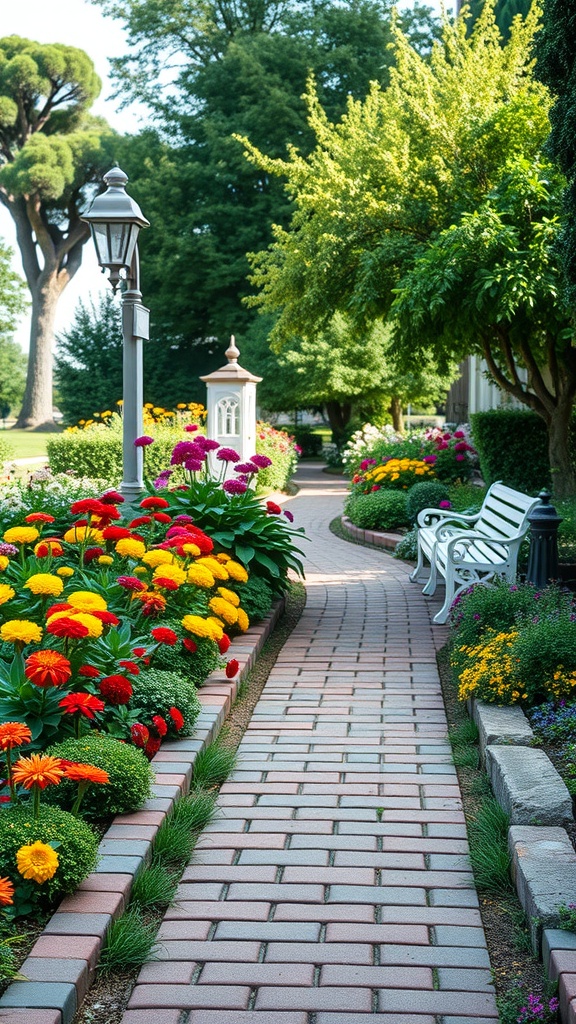
Brick paver edging is a fantastic way to define your garden space. The image showcases a charming pathway bordered by colorful flowers and neat brick pavers. This setup not only adds structure but also enhances the overall look of your yard.
Using brick pavers allows for a variety of designs. You can create straight lines for a formal look or curves for a more relaxed vibe. The warm tones of the bricks complement the vibrant flowers, making the garden feel inviting.
Maintenance is simple with brick paver edging. Just a little weeding and occasional cleaning keep it looking fresh. Plus, it helps prevent grass and weeds from creeping into your flower beds, keeping everything tidy.
Whether you’re planning a new garden or updating an existing one, brick paver edging is a smart choice. It adds character and charm, making your outdoor space a delightful place to relax and enjoy.
Wooden Plank Edging
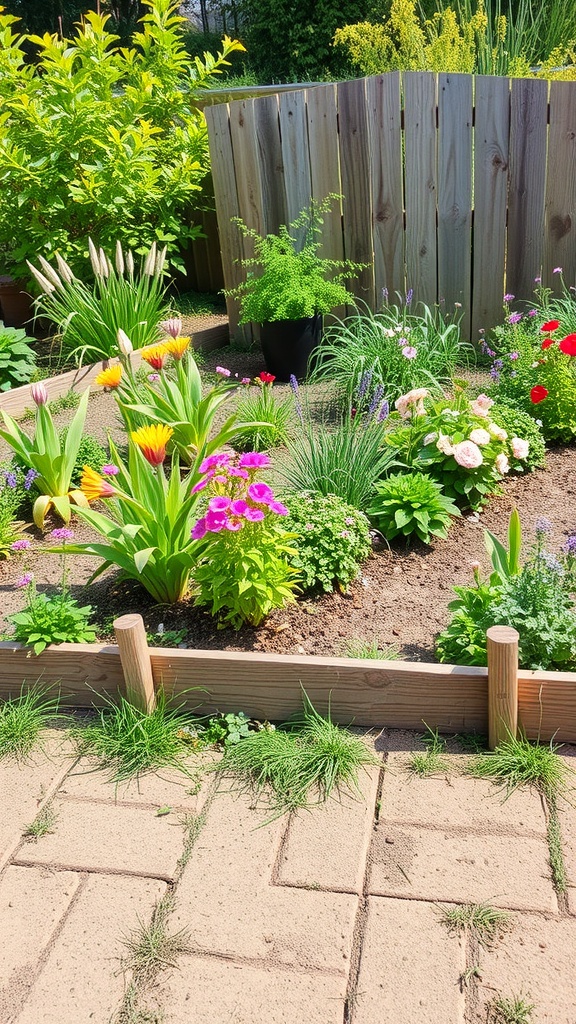
Wooden plank edging is a charming way to define your garden space. The image shows a neat arrangement of colorful flowers surrounded by a sturdy wooden border. This type of edging not only looks great but also helps keep your plants contained.
The wooden planks create a natural look that blends well with the greenery. They provide a clear boundary between your garden and pathways, making it easier to maintain. Plus, the rustic appeal of wood adds warmth to your outdoor area.
Installing wooden edging is straightforward. You can choose planks that fit your style, whether you prefer a polished finish or a more rugged look. Just make sure to secure them well to prevent shifting over time. This edging can also be painted or stained to match your garden theme.
Overall, wooden plank edging is a practical and attractive choice for any garden. It enhances the beauty of your flowers while keeping everything organized.
Metal Landscape Edging
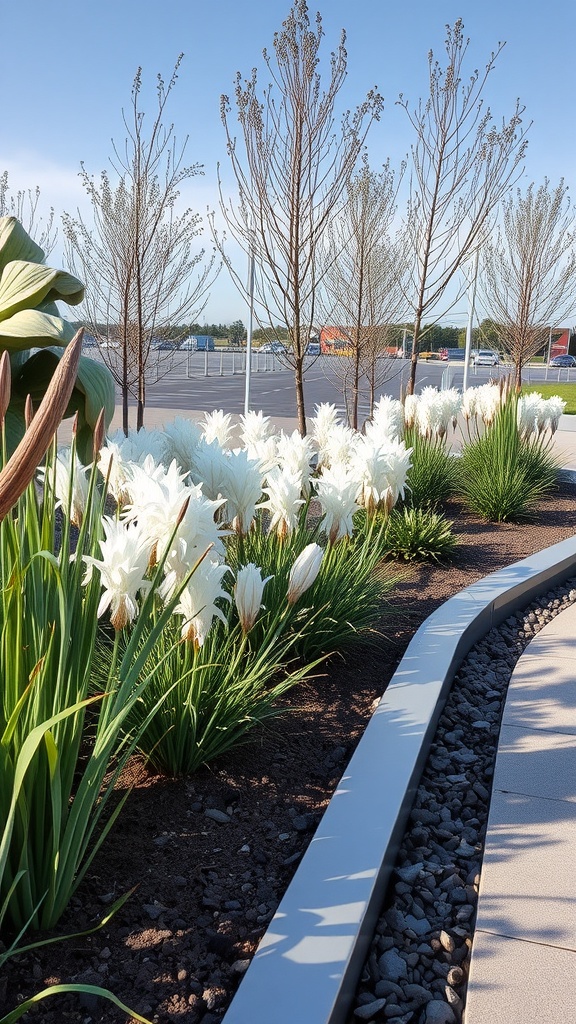
Metal landscape edging is a stylish way to define your garden beds and pathways. The sleek lines of metal create a modern look that complements various plantings. In the image, you can see a smooth, curved metal edge that beautifully outlines the flower beds, giving a clean finish to the landscape.
The white flowers and green grasses contrast nicely with the metal, enhancing the overall aesthetic. This type of edging not only looks great but also helps keep mulch and soil in place, preventing it from spilling into your lawn.
Another benefit of metal edging is its durability. Unlike wood, which can rot over time, metal stands strong against the elements. It’s a long-lasting investment for any garden. Plus, it’s easy to install, making it a popular choice for DIY enthusiasts.
Whether you’re creating a formal garden or a more relaxed space, metal edging can elevate your design. It’s a practical solution that adds a touch of elegance to your outdoor area.
Bamboo Edging
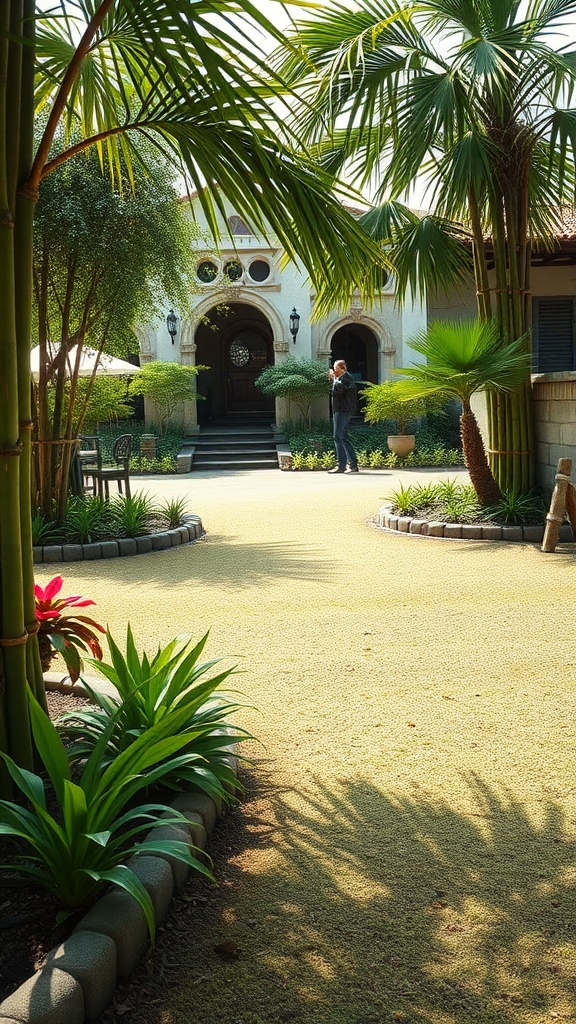
Bamboo edging brings a fresh and natural vibe to your garden. It’s a great way to define spaces without overwhelming the landscape. The image shows a beautiful garden with bamboo plants that create a lovely border around the pathways.
The soft curves of the bamboo add a gentle touch, contrasting nicely with the more structured elements like the stone edging. This combination enhances the overall look of the garden, making it feel inviting and serene.
Bamboo is not only stylish but also eco-friendly. It grows quickly and can be a sustainable choice for your landscaping needs. Plus, it’s durable and can withstand various weather conditions, making it a practical option for garden borders.
Using bamboo edging can also help keep your garden organized. It clearly marks different areas, such as flower beds and pathways, which can make maintenance easier. Whether you have a modern garden or a more traditional one, bamboo can fit right in.
Pebble and Gravel Borders
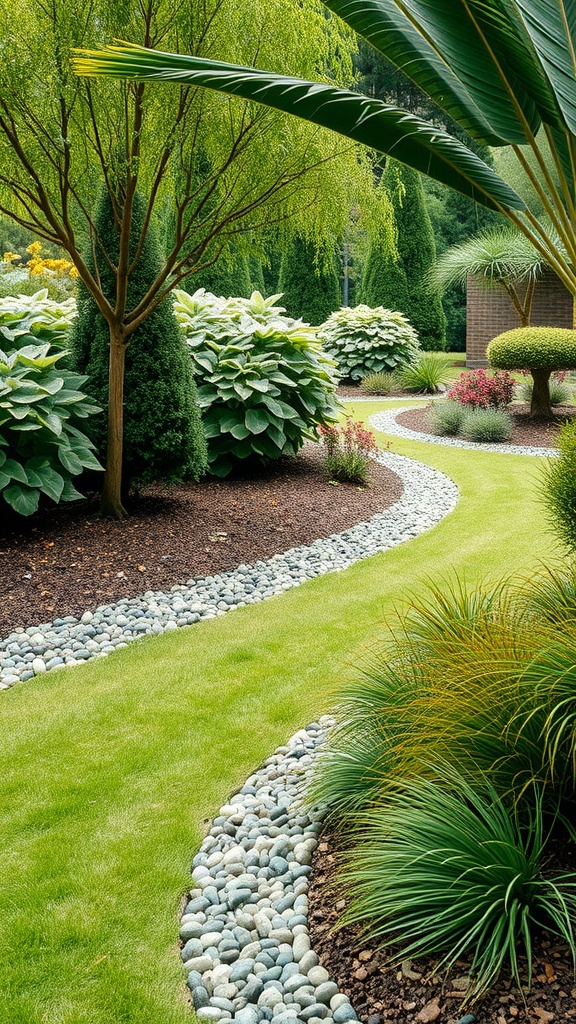
Pebble and gravel borders are a fantastic way to define spaces in your garden. They add texture and contrast, making your landscape pop. The image shows a beautifully designed garden path lined with smooth pebbles, creating a gentle curve that invites you to explore.
The soft green grass contrasts nicely with the pebbles, enhancing the overall look. This type of edging not only looks great but also helps with drainage, preventing water from pooling in your garden. You can choose different colors and sizes of pebbles to match your style.
Consider using gravel for a more rustic feel. It’s easy to maintain and can be a budget-friendly option. Whether you want a clean, modern look or something more natural, pebble and gravel borders can fit right in. They’re perfect for guiding the eye and creating a serene atmosphere in your outdoor space.
Recycled Tire Edging
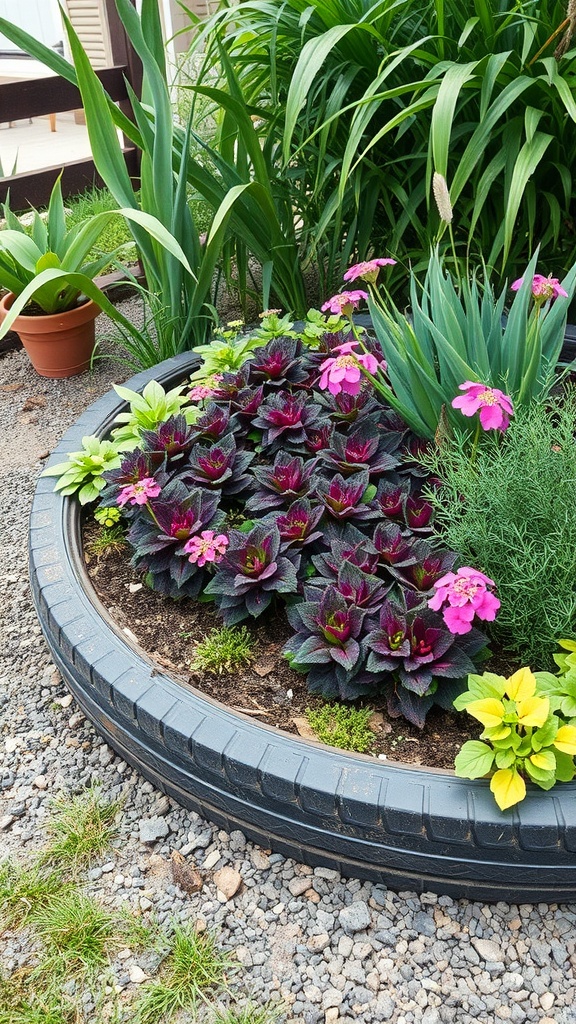
Using recycled tires for lawn edging is a creative and eco-friendly choice. The image shows a vibrant flower bed bordered by a tire, creating a unique look. This method not only adds character to your garden but also helps in reusing materials that would otherwise end up in a landfill.
The dark color of the tire contrasts beautifully with the colorful flowers and greenery. This contrast makes the plants pop, drawing attention to the vibrant blooms. Plus, the tire provides a sturdy barrier that keeps soil in place and helps define the garden space.
Installing tire edging is simple. You can cut the tire to your desired shape or leave it whole for a more rustic look. Just place it in the ground, fill it with soil, and plant your favorite flowers or shrubs. It’s a fun project that can be done over a weekend!
Plastic Edging Solutions
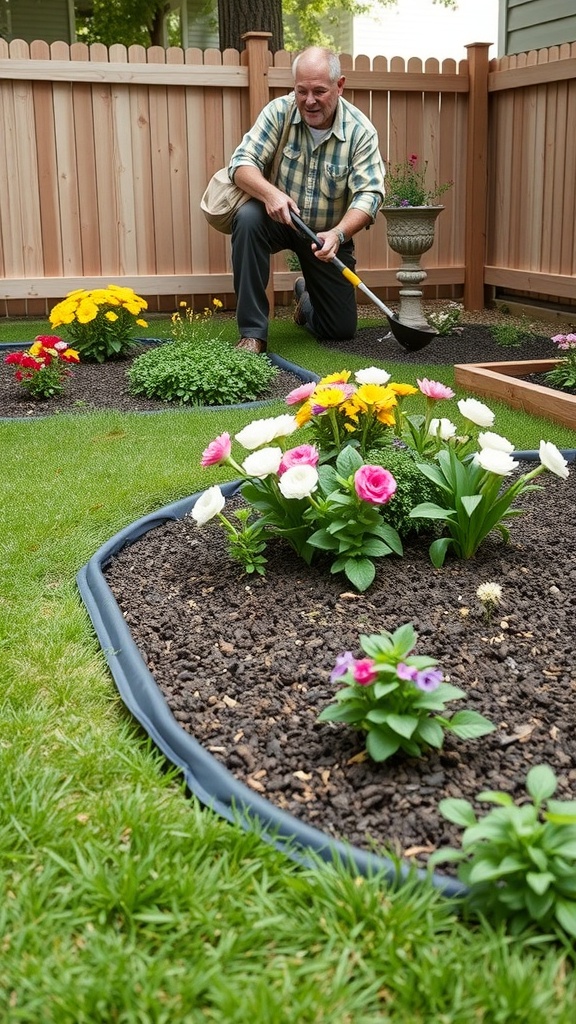
Plastic edging is a simple and effective way to define garden beds and pathways. In the image, we see a man working in a vibrant garden, using plastic edging to create clean lines around the flower beds. This not only enhances the look of the garden but also keeps grass and weeds at bay.
One of the great things about plastic edging is its versatility. It comes in various shapes and sizes, allowing you to customize your garden layout easily. Whether you prefer straight lines or curved designs, plastic edging can adapt to your vision.
Another benefit is its durability. Unlike wood, plastic edging won’t rot or warp over time. This makes it a long-lasting choice for any garden enthusiast. The man in the image is clearly enjoying his gardening task, and with plastic edging, he can maintain a tidy and organized space.
Installation is straightforward, too. You can simply dig a shallow trench, place the edging, and secure it in place. This makes it a weekend project that can significantly improve your garden’s appearance.
Cedar Log Edging
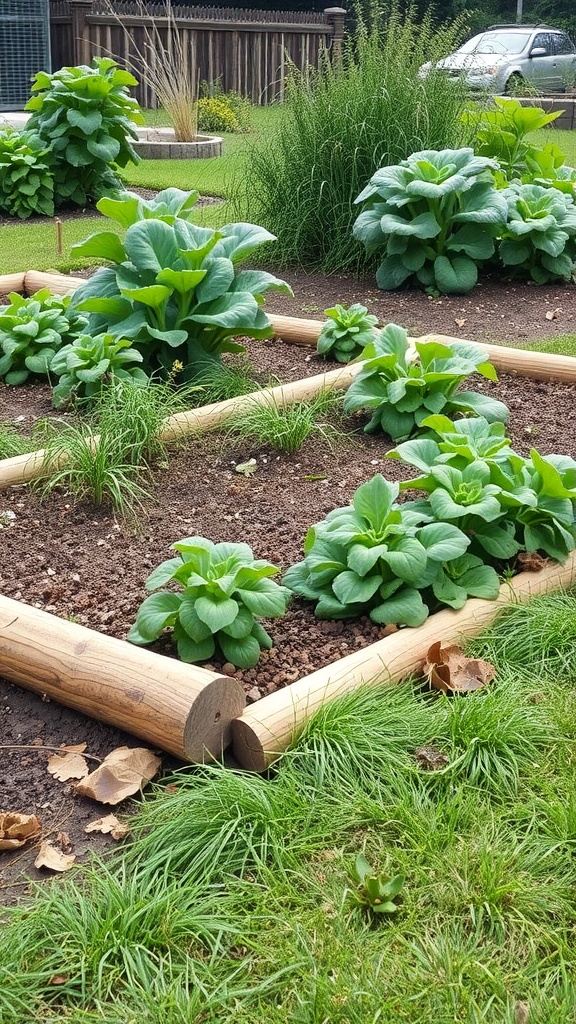
Cedar log edging is a charming way to define your garden beds. The natural look of cedar logs adds warmth and character to any outdoor space. They blend beautifully with greenery, making your plants stand out.
In the image, you can see how the cedar logs create a neat boundary around the lush plants. This not only keeps the soil in place but also gives a polished finish to your garden. The earthy tones of the logs complement the vibrant greens of the plants, creating a harmonious look.
Using cedar logs is also practical. They are durable and resistant to decay, which means they can last for years. Plus, they are easy to install. Just lay them down in your desired shape and secure them in place. This simple step can make a big difference in your garden’s appearance.
Whether you have a small flower bed or a larger vegetable garden, cedar log edging can enhance the overall design. It’s a great way to add structure while keeping things natural and inviting.
Glass Bottle Edging
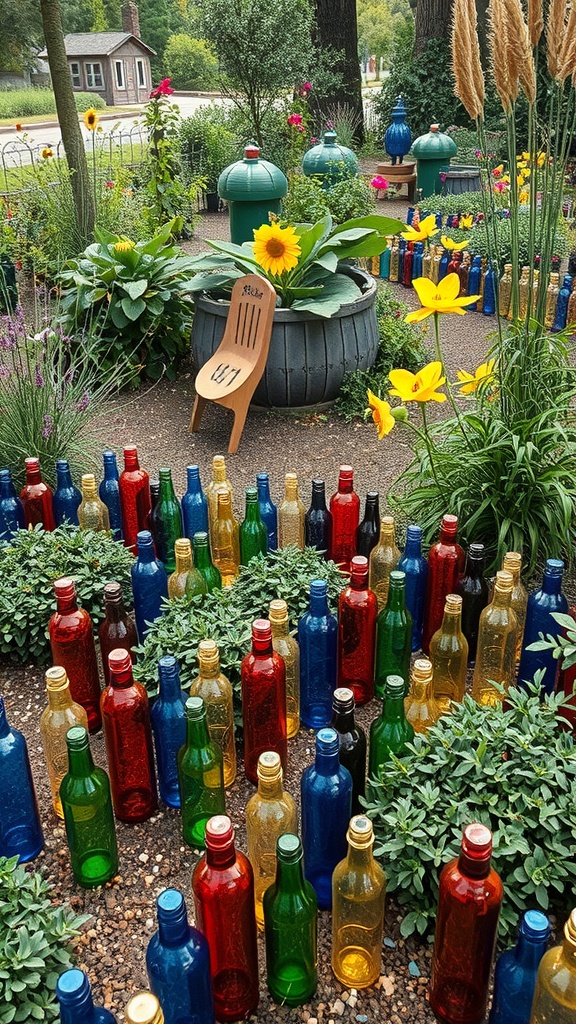
Using glass bottles for lawn edging is a fun and creative way to define your garden space. The colorful bottles create a vibrant border that adds character to any outdoor area. In the image, you can see a delightful arrangement of bottles in various colors, standing proudly among lush greenery and blooming flowers.
This idea not only looks great but also promotes recycling. Instead of tossing out old bottles, you can repurpose them into a charming garden feature. The bottles can be placed upright or partially buried to create different effects, allowing for plenty of creativity.
Another benefit is that glass bottles can reflect sunlight, adding a sparkling touch to your garden. As the light hits the bottles, it creates a beautiful play of colors, enhancing the overall look of your outdoor space. Plus, they are durable and can withstand the elements, making them a long-lasting option.
So, if you’re looking for a unique way to edge your lawn, consider gathering some colorful glass bottles. It’s an easy project that can transform your garden into a lively and inviting space.
Shell and Sand Edging
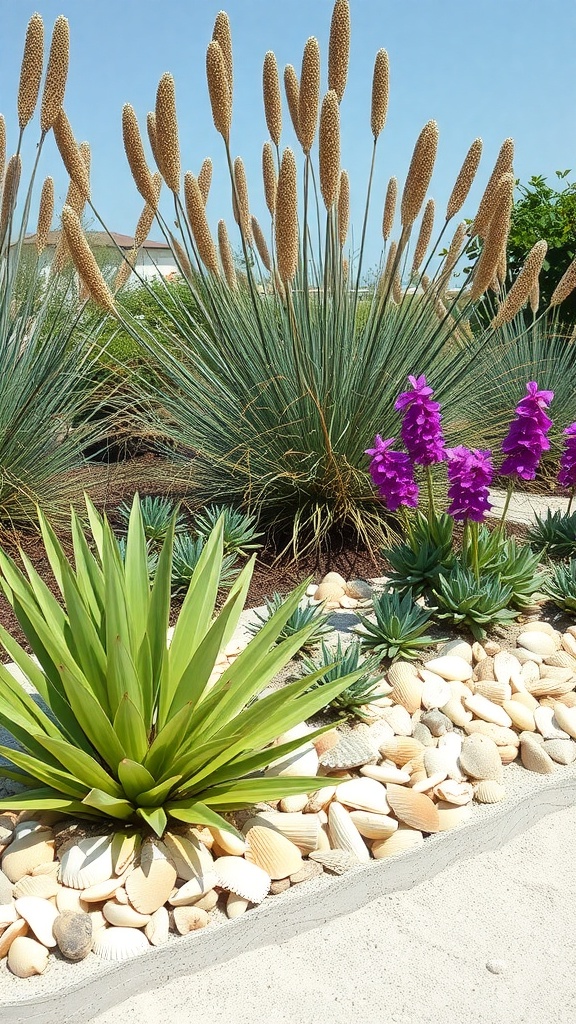
Shell and sand edging is a delightful way to add a beachy vibe to your garden. This style uses natural materials like seashells and sand to create a unique border that stands out. The image showcases a beautiful arrangement of shells alongside vibrant plants, making it visually appealing.
The soft colors of the shells contrast nicely with the greenery, creating a relaxed atmosphere. You can mix different types of shells for added texture. This edging not only looks great but also helps define garden spaces, keeping your plants organized.
Consider using larger shells for a bold statement or smaller ones for a more delicate look. Pairing this edging with drought-resistant plants can enhance the coastal theme. It’s a fun and creative way to bring a piece of the beach to your backyard!
Cobbled Stone Edging
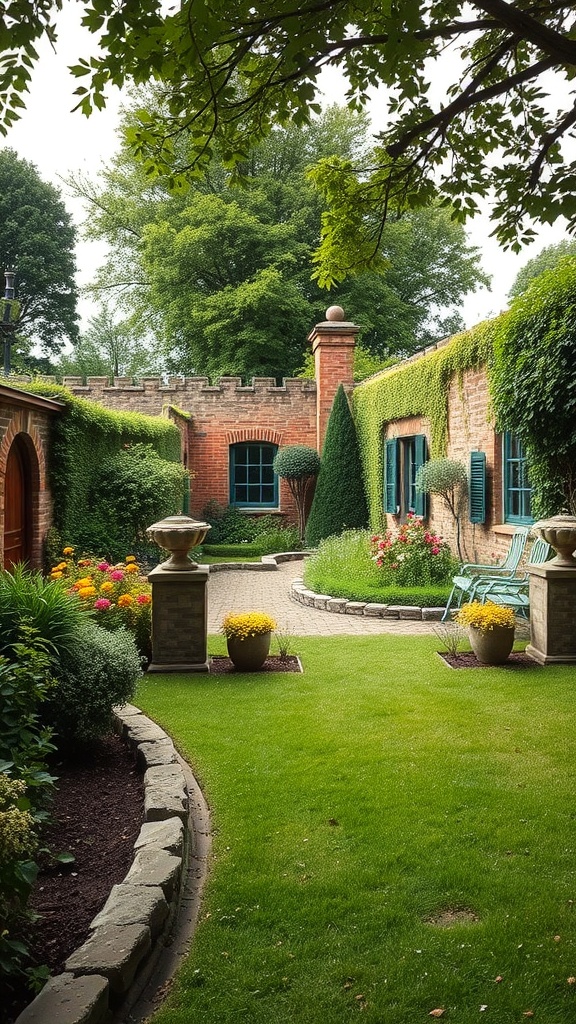
Cobbled stone edging adds a charming touch to any garden. The image showcases a beautiful garden path lined with cobbled stones, creating a clear boundary between the lush green lawn and the flower beds. This type of edging not only defines spaces but also enhances the overall look of your outdoor area.
The rustic appeal of cobbled stones complements various garden styles, from traditional to modern. They can be arranged in different patterns, allowing for creativity in your landscaping. The stones also provide a sturdy barrier that helps keep grass and weeds at bay.
In the image, the cobbled stones are neatly placed, leading the eye along the garden path. This design invites you to explore the vibrant flowers and well-maintained greenery. Incorporating such edging can transform your garden into a welcoming retreat.
Living Plant Edging
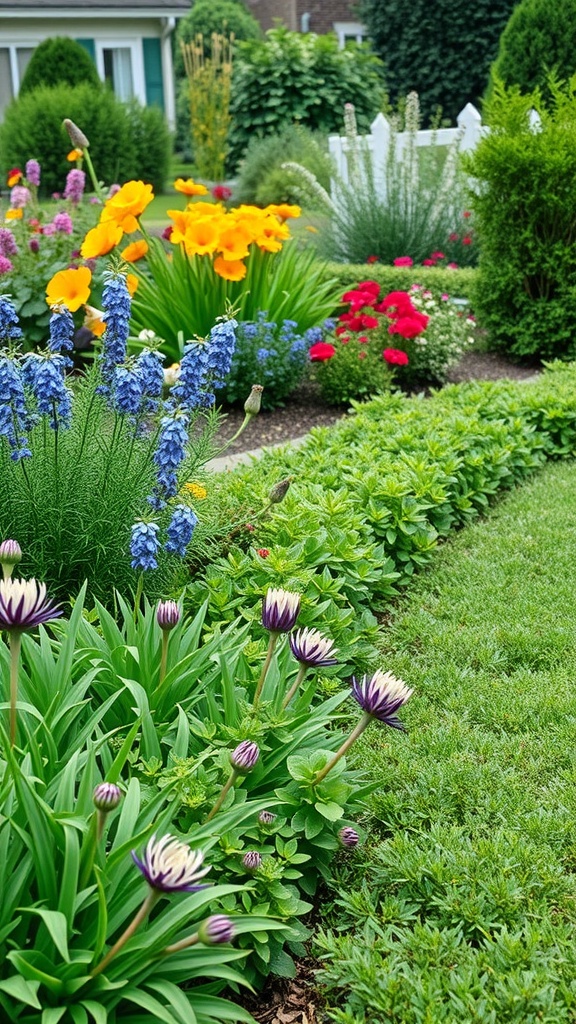
Living plant edging is a fantastic way to define your garden space while adding beauty and texture. The image showcases a vibrant garden filled with colorful flowers and lush greenery. This natural border not only enhances the visual appeal but also promotes biodiversity.
Using plants as edging can create a soft, inviting look. In the image, you can see a mix of tall and short plants, which adds depth. Flowers like the bright yellow and deep blue blooms stand out beautifully against the green foliage.
Choosing the right plants is key. Opt for varieties that thrive in your climate and require similar care. Consider using perennials for lasting beauty. They will return year after year, making maintenance easier.
Living edges can also help with soil erosion and provide habitats for beneficial insects. This approach is eco-friendly and supports the local ecosystem. Plus, it gives your garden a unique, personalized touch.
Incorporating living plant edging can transform your outdoor space into a stunning retreat. Whether you prefer a wildflower look or a more structured design, the possibilities are endless.
Rubber Edging
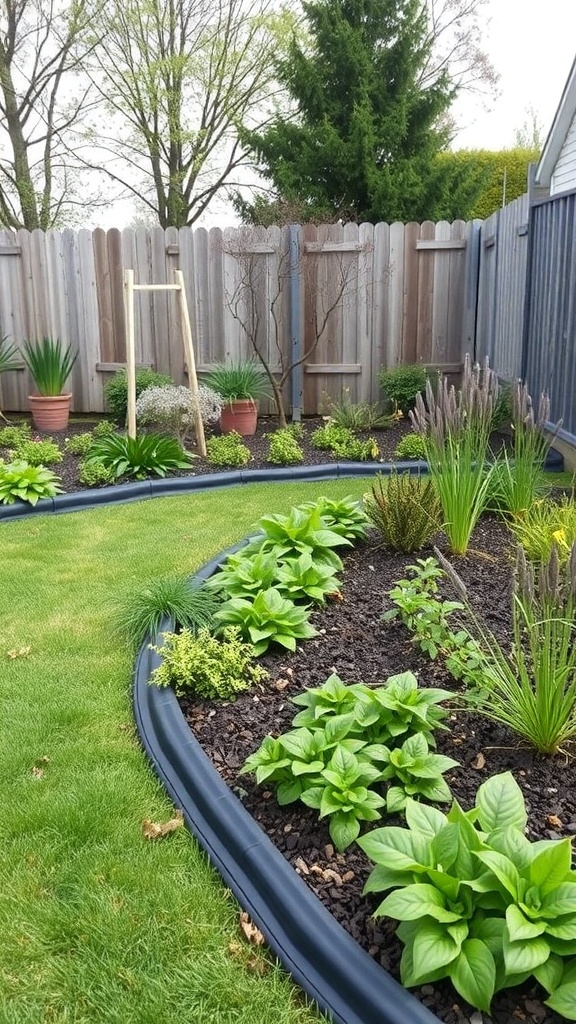
Rubber edging is a fantastic choice for your garden. It provides a clean and polished look while keeping everything neatly in place. The image shows a lovely garden with rubber edging that outlines the flower beds beautifully. The smooth curves of the rubber create a soft transition between the grass and the plants.
This type of edging is not only practical but also durable. It can withstand the elements without fading or cracking. Plus, it’s flexible, allowing you to create any shape you desire. Whether you want straight lines or gentle curves, rubber edging can do it all.
Another great feature is that it helps prevent grass from creeping into your flower beds. This means less maintenance for you! The dark color of the rubber contrasts nicely with the vibrant greens of the plants, making the garden pop.
Installing rubber edging is straightforward. You simply lay it down along the desired path and secure it in place. It’s a quick way to enhance your garden’s appearance without a lot of effort. So, if you’re looking for an easy and effective way to define your garden spaces, rubber edging is worth considering.
Steel Garden Edging

Steel garden edging is a fantastic way to define your garden beds while adding a modern touch. The image shows a sleek, black steel border that neatly contains vibrant green plants. This type of edging creates a clean line, making your garden look polished and well-maintained.
One of the great things about steel edging is its durability. Unlike wood or plastic, steel can withstand the elements without warping or fading. It’s perfect for those who want a long-lasting solution that requires minimal upkeep.
Another benefit is the versatility. Steel edging can be shaped to fit any garden design, whether you prefer straight lines or gentle curves. It complements various landscaping styles, from contemporary to traditional.
Incorporating steel edging can also help with weed control. By creating a barrier, it prevents grass and weeds from encroaching on your garden beds. This means less time spent weeding and more time enjoying your beautiful garden.
Wood Chips and Mulch Borders
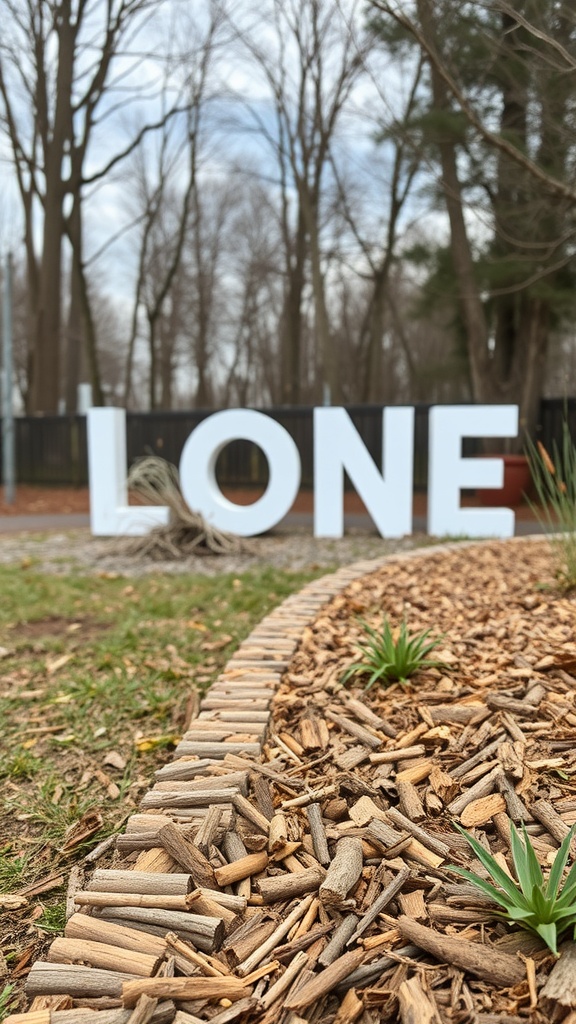
Wood chips and mulch borders are a fantastic way to define your garden space. They create a clean line between your lawn and flower beds, adding a touch of nature to your landscape.
The image shows a curved border made of wood chips, which not only looks great but also helps retain moisture in the soil. This is especially useful for plants that thrive in a bit of extra hydration.
Using wood chips is also an eco-friendly choice. They break down over time, enriching the soil and providing nutrients to your plants. Plus, they can help suppress weeds, making your gardening tasks a bit easier.
In the background, you can see a playful sign that adds a unique touch to the garden. This kind of personalization can make your outdoor space feel more inviting and fun.
Overall, wood chips and mulch borders are a simple yet effective way to enhance your garden’s look while supporting plant health. They’re easy to install and maintain, making them a great option for any gardener.
Terracotta Pot Borders
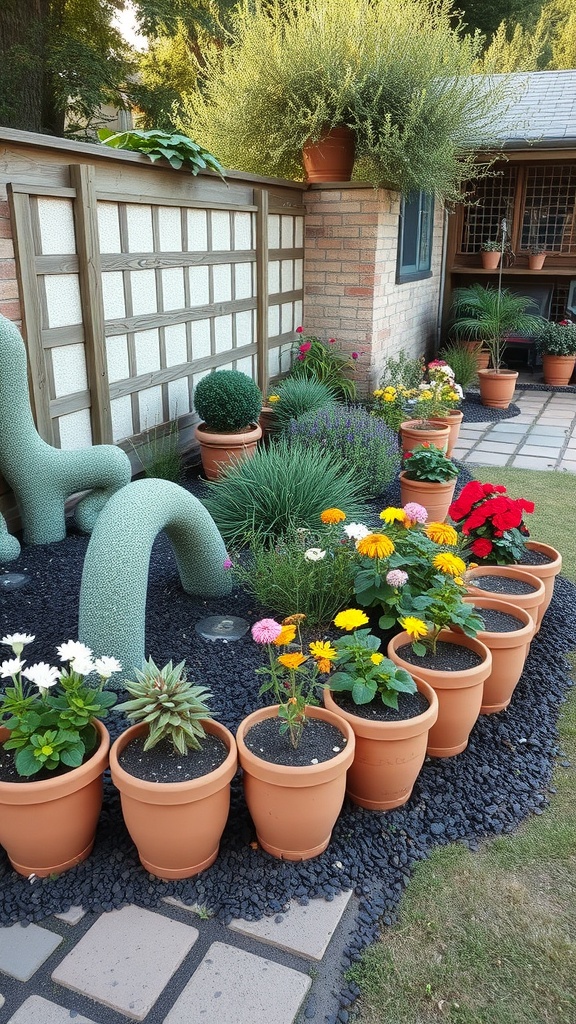
Terracotta pots are a charming way to define garden edges. They add warmth and a rustic feel to any outdoor space. In the image, you can see a lovely arrangement of terracotta pots filled with vibrant flowers. This setup not only looks beautiful but also serves a practical purpose.
Using terracotta pots as borders helps to create a clear separation between different areas of your garden. The earthy tones of the pots blend well with the surrounding plants and soil. They can be arranged in a straight line or in a more organic, flowing pattern, depending on your style.
Another great aspect of terracotta pots is their versatility. You can use them for various plants, from colorful annuals to lush perennials. This allows you to change the look of your garden throughout the seasons. Plus, they are easy to move around if you want to refresh your layout.
Overall, terracotta pot borders are a simple yet effective way to enhance your garden’s design. They bring a touch of nature and creativity to your outdoor space, making it feel more inviting.
Slate Stone Edging
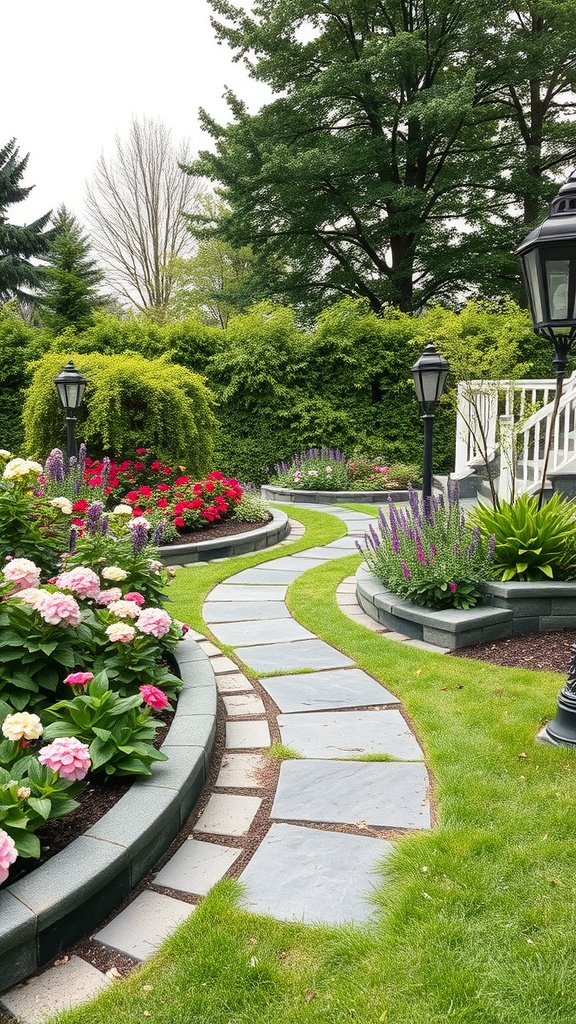
Slate stone edging brings a natural and elegant touch to any garden. The image shows a beautifully designed pathway lined with slate stones, creating a smooth and inviting route through vibrant flower beds. The contrast between the slate and the colorful blooms makes the garden pop.
This type of edging is not just about looks; it also serves a practical purpose. Slate stones help define spaces, keeping your garden tidy and organized. They can withstand the elements, making them a durable choice for outdoor areas.
Incorporating slate stone edging can enhance the overall design of your landscape. It works well with various styles, from modern to traditional. Plus, the natural variations in the slate add character and uniqueness to your garden.
Cultured Stone Edging
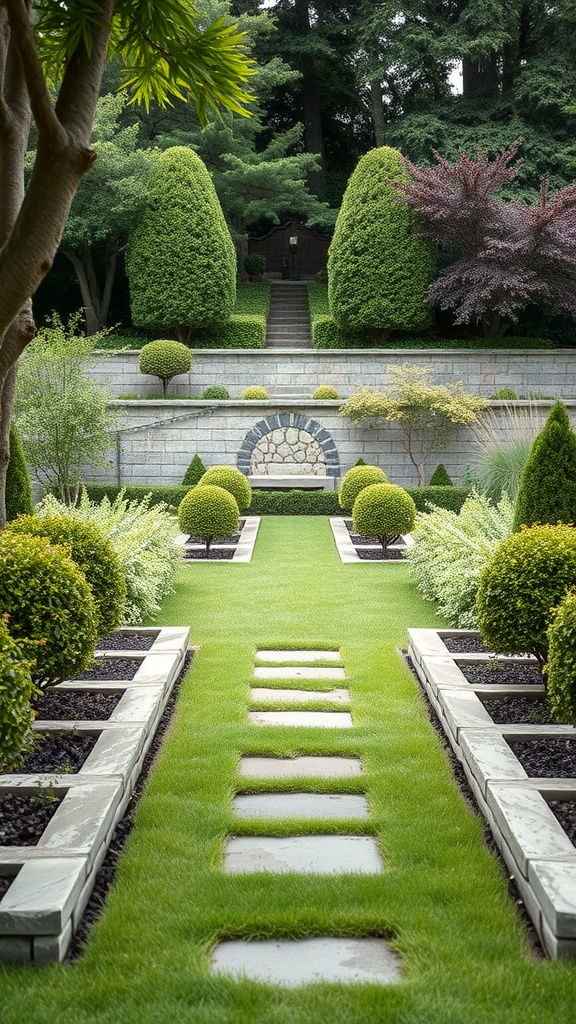
Cultured stone edging brings a touch of elegance to any garden. This type of edging is made from manufactured stone, designed to mimic the look of natural stone. The result is a beautiful, durable border that enhances your landscape.
In the image, you can see a well-maintained garden with perfectly arranged stone pathways. The lush green grass contrasts beautifully with the stone, creating a welcoming atmosphere. The neat lines of the stone edging help define the garden beds, making everything look tidy and organized.
Using cultured stone for edging is not just about aesthetics. It also helps keep soil and mulch in place, preventing erosion and keeping your garden looking its best. Plus, it’s available in various colors and styles, allowing you to choose the perfect match for your home.
Consider incorporating this type of edging in your garden design. It’s a simple way to elevate your outdoor space and make it feel more polished.
Fencing as Edging
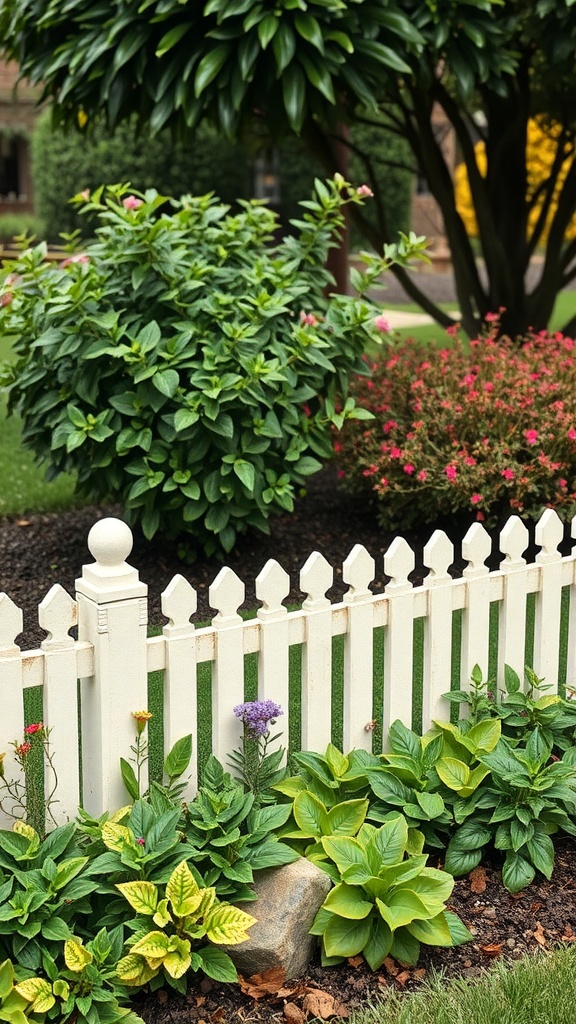
Using fencing as lawn edging is a charming way to define your garden space. The white picket fence in the image adds a classic touch, creating a clear boundary between the lawn and flower beds. This type of fencing not only serves a practical purpose but also enhances the overall look of your yard.
The fence complements the lush greenery and colorful flowers, making the garden feel inviting. The combination of plants, including hostas and vibrant blooms, contrasts beautifully with the crisp white of the fence. This setup shows how fencing can frame your garden, drawing attention to the plants while providing structure.
Consider using similar fencing in your own yard. It can be painted in various colors to match your style. Whether you prefer a rustic look or something more modern, fencing can be a versatile edging option that adds character to your outdoor space.
Hedge Plant Borders
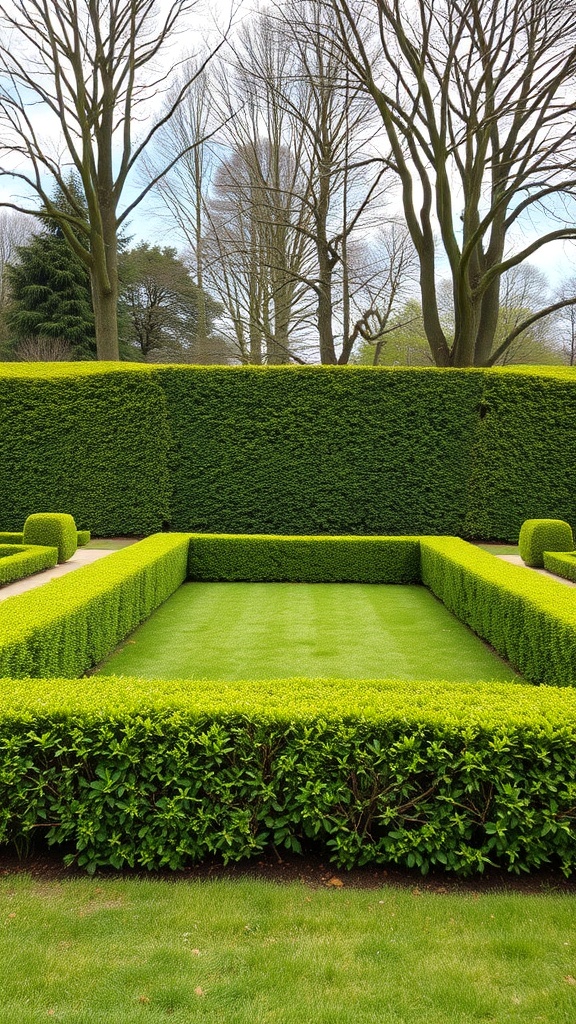
Hedge plant borders are a fantastic way to define spaces in your garden. They create a natural barrier that adds both beauty and structure. In the image, you can see neatly trimmed hedges that form a perfect frame around the green lawn. This not only enhances the visual appeal but also provides a sense of order.
The lush greenery of the hedges contrasts beautifully with the vibrant grass. This combination invites you to enjoy the outdoor space. You can choose various types of hedges, from low-growing varieties to taller ones, depending on your needs.
Using hedges for borders can also help with privacy. They act as a natural screen, making your garden feel more secluded. Plus, they can attract birds and beneficial insects, adding life to your garden.
When planning your hedge borders, consider the maintenance involved. Regular trimming keeps them looking sharp and healthy. With a little effort, you can create a stunning garden that feels both welcoming and serene.
Colorful Mosaic Edging
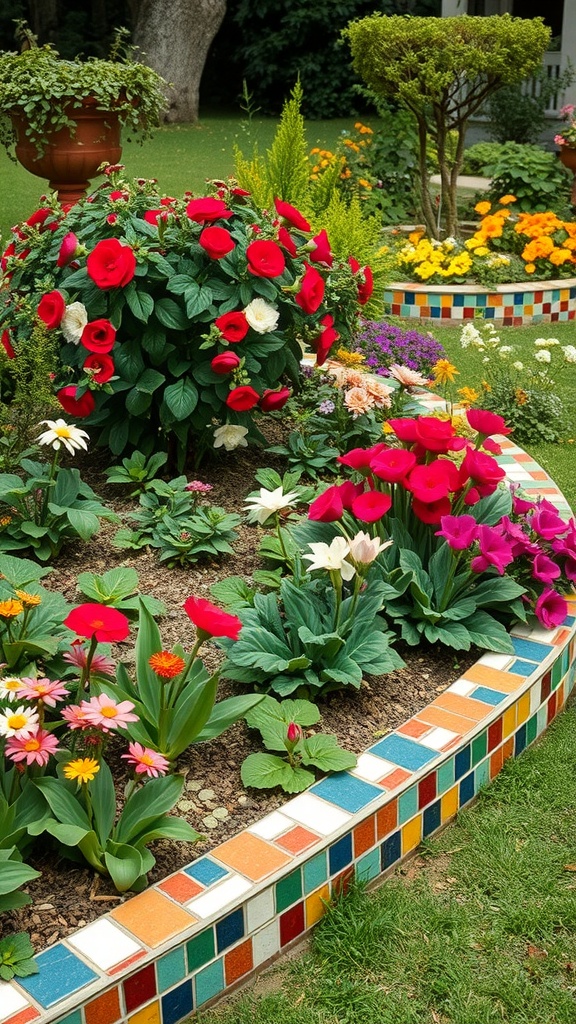
Colorful mosaic edging adds a playful touch to any garden. The vibrant tiles create a striking border that enhances the beauty of your plants. In the image, you can see how the mosaic complements the lively flowers, making the whole area feel inviting.
This type of edging is not just about looks; it also helps define garden spaces. The different colors can match or contrast with your flowers, allowing for creative expression. You can mix and match tiles for a unique design that reflects your personality.
Installing mosaic edging is straightforward. You can use pre-made tiles or create your own patterns. This DIY approach lets you customize your garden to fit your style. Plus, it’s a fun project that can involve the whole family!
Terraced Edging Solutions
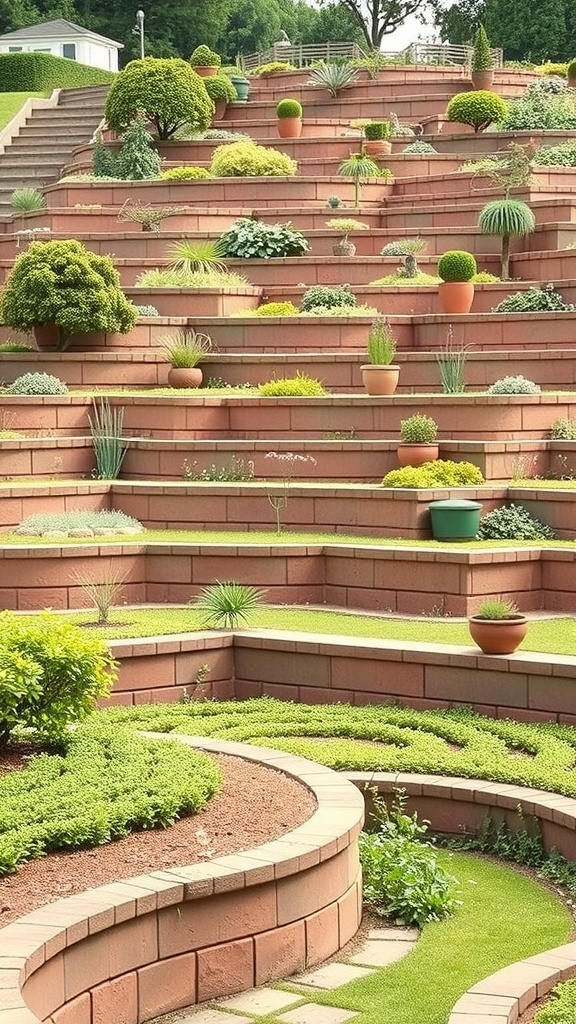
Terraced edging is a fantastic way to create visual interest in your garden. The image showcases a beautifully designed terraced garden, featuring multiple levels that add depth and dimension. Each tier is carefully planted with a variety of greenery, making it a feast for the eyes.
Using terraced edging can help manage slopes and prevent soil erosion. The raised beds not only look great but also provide a practical solution for growing plants in uneven areas. You can use materials like stone or timber to create the terraces, giving your garden a structured yet natural feel.
Incorporating pots and planters, as seen in the image, allows for even more creativity. You can mix and match different plants, adding pops of color and texture. This approach makes it easy to change up your garden’s look seasonally without a complete overhaul.
Overall, terraced edging is a stylish and functional choice for anyone looking to enhance their outdoor space. It invites exploration and can turn a simple garden into a stunning landscape.