
A great cut flower garden layout can turn your outdoor space into a blooming paradise. By organizing plants wisely, you can enjoy a mix of colors and scents while ensuring a steady supply of fresh blooms for your home. Let’s dive into tips and ideas to help you create the perfect floral haven!
Seasonal Flower Selection for Continuous Blooms
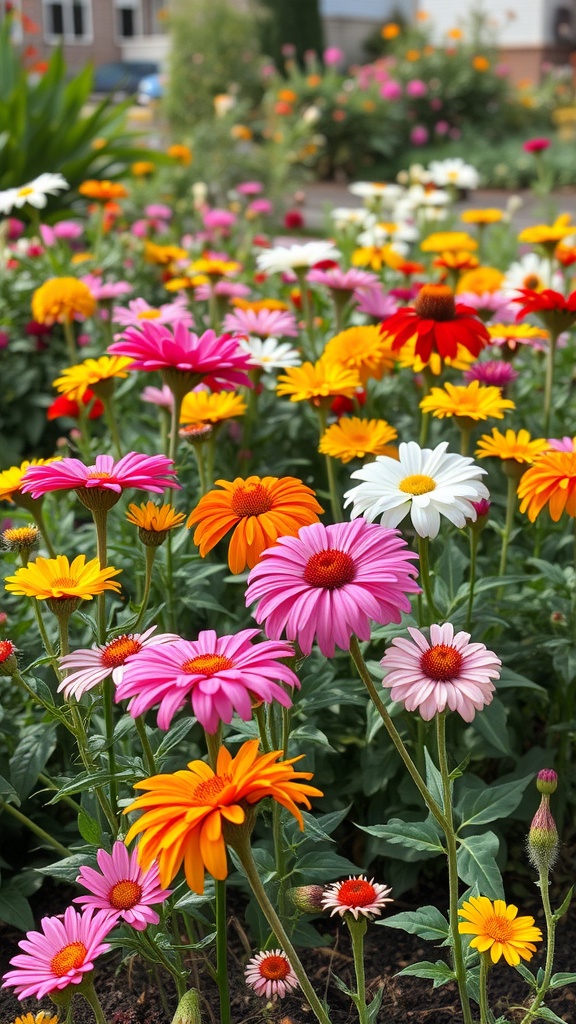
Creating a cut flower garden is all about choosing the right blooms for each season. The image shows a vibrant mix of flowers that can brighten up any space. You can see a variety of colors and shapes, which makes it perfect for cutting and arranging.
To keep your garden blooming throughout the year, consider selecting flowers that thrive in different seasons. For spring, think about planting tulips and daffodils. As summer rolls in, zinnias and coneflowers, like those in the image, will take center stage. In fall, you might want to include chrysanthemums and asters for that warm, autumn feel.
Don’t forget about winter! While it may seem challenging, some hardy varieties like hellebores can add life to your garden even in the colder months. Mixing these seasonal selections will give you a continuous supply of fresh flowers for cutting and enjoying indoors.
Creating Pathways for Easy Access
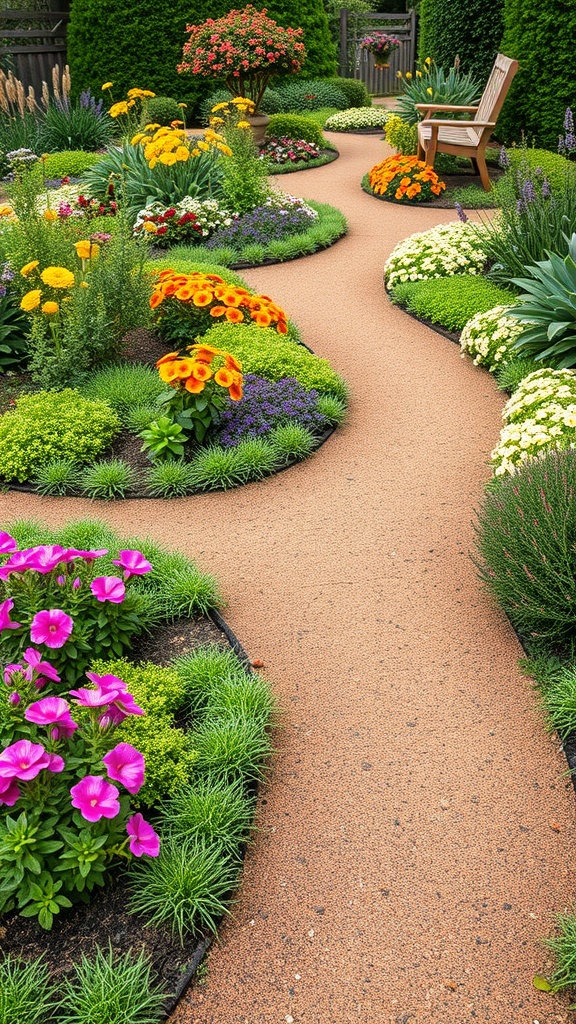
When designing a cut flower garden, pathways are key. They provide easy access to all your beautiful blooms. The image shows a lovely winding path surrounded by vibrant flowers. This layout invites you to stroll through the garden, making it a joy to explore.
Notice how the path curves gently, creating a natural flow. This not only looks great but also helps you reach different sections of the garden without trampling on plants. The colorful flowers on either side add charm and make the experience delightful.
Having a comfortable spot, like the bench seen here, allows you to pause and enjoy the view. It’s a perfect place to relax after tending to your flowers. Remember, pathways should be wide enough for easy movement, especially if you plan to carry tools or bouquets.
Incorporating materials like gravel or mulch can enhance the look while keeping maintenance low. So, as you plan your cut flower garden, think about how pathways can improve both access and enjoyment.
Incorporating Foliage and Fillers in Your Design
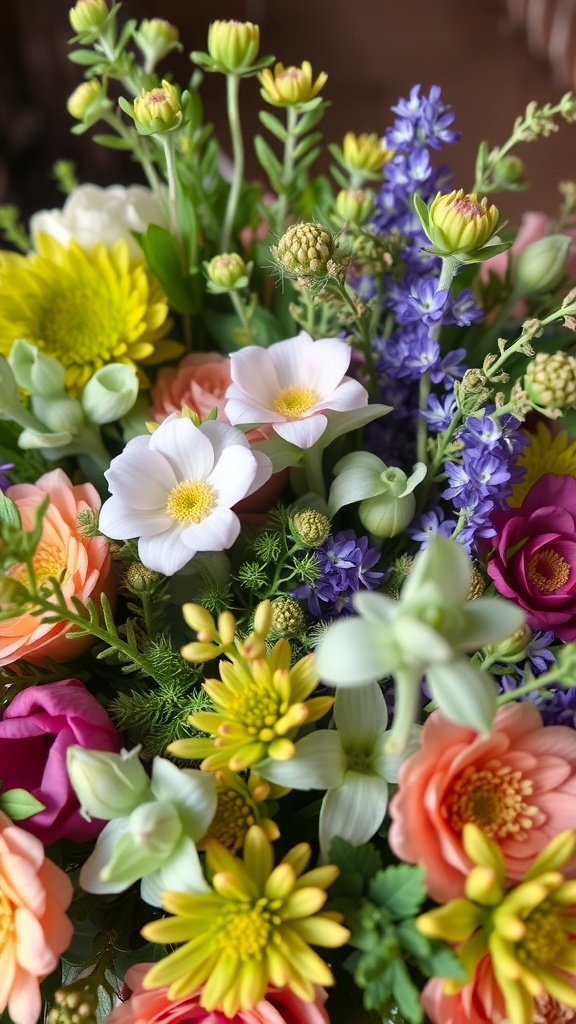
When planning a cut flower garden, adding foliage and fillers can make a huge difference. The image showcases a vibrant arrangement filled with various flowers and greenery. This mix not only adds depth but also enhances the overall look.
Foliage serves as a backdrop for your blooms, helping them stand out. In the image, you can see how the lush greens complement the colorful flowers. Using different textures and shades of green can create a more dynamic display.
Fillers, like the small blossoms and sprigs shown, help to fill in gaps and create a fuller appearance. They can soften the arrangement and add a touch of whimsy. Consider using fillers that bloom at different times to keep your garden lively throughout the seasons.
Incorporating these elements into your design not only beautifies your garden but also supports pollinators. A well-planned layout with a variety of plants can attract bees and butterflies, making your garden a lively spot.
Companion Planting for Healthier Flowers
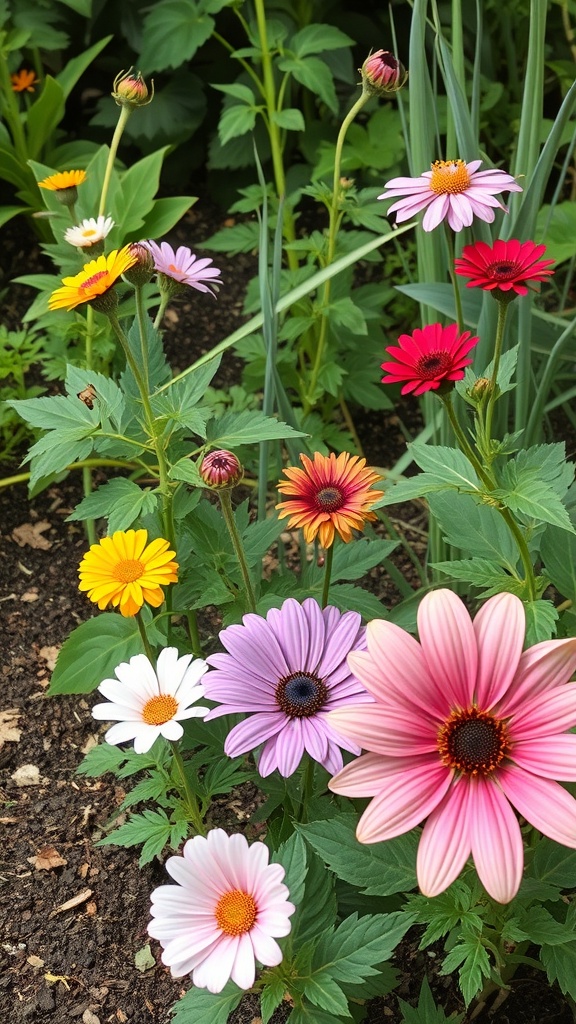
Companion planting is a fantastic way to boost the health and beauty of your cut flower garden. In the image, you can see a vibrant mix of flowers, showcasing different colors and shapes. This diversity not only looks great but also plays a role in how well the plants thrive together.
When you plant certain flowers alongside each other, they can help each other grow. For example, some flowers attract beneficial insects that pollinate and protect them from pests. Others might provide shade or support, creating a more balanced environment.
In your garden, consider pairing flowers like daisies with marigolds. Marigolds are known to repel harmful insects while attracting pollinators. This combination can lead to healthier blooms and a more productive garden.
Another great pairing is zinnias with sunflowers. Sunflowers can provide height and structure, while zinnias add color and attract bees. Together, they create a lively and productive space.
Companion planting is not just about aesthetics; it’s about creating a thriving ecosystem. By mixing different flowers, you can enhance their growth and enjoy a beautiful cut flower garden.
Choosing the Right Location for Your Cut Flower Garden
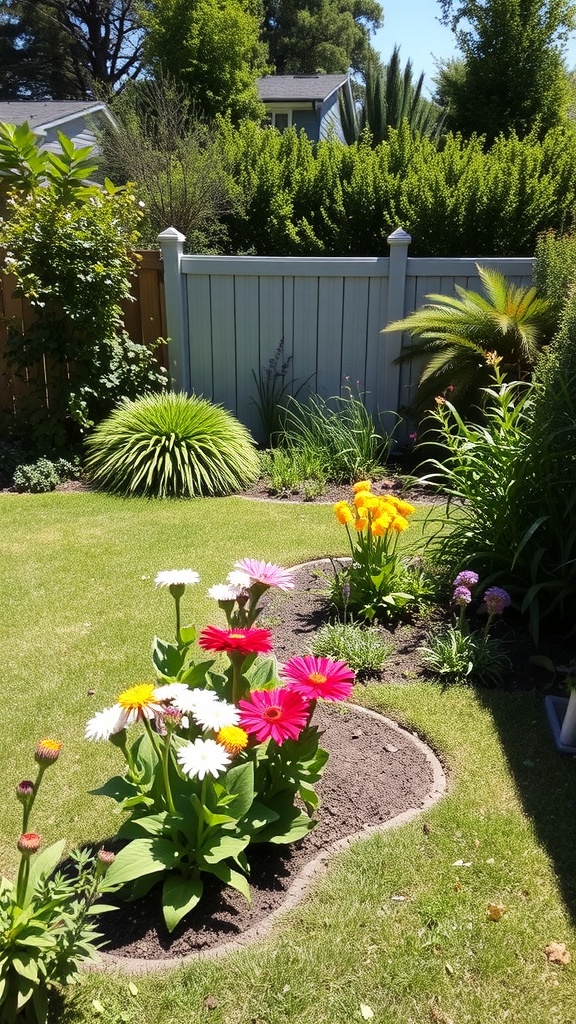
Finding the perfect spot for your cut flower garden is key to its success. The image shows a lovely garden layout with vibrant flowers, showcasing how a well-placed garden can brighten up any space.
Start by looking for a location that gets plenty of sunlight. Most cut flowers thrive in full sun, so aim for an area that receives at least six hours of direct sunlight each day. The flowers in the image are basking in the sun, which helps them grow strong and healthy.
Next, consider the soil quality. Well-drained soil is essential for healthy roots. If the soil in your chosen spot is too compact or clay-like, you might want to amend it with compost or organic matter. The neat flower beds in the image suggest good soil management.
Also, think about accessibility. You’ll want to be able to reach your flowers easily for cutting and maintenance. The curved flower beds in the picture allow for easy access while adding a touch of charm to the garden.
Lastly, keep an eye on wind exposure. If your garden is too exposed, it might be worth planting some taller shrubs or installing a fence to protect your blooms. The fence in the background of the image provides a nice barrier while enhancing the garden’s overall look.
Vertical Gardening Techniques for Small Spaces
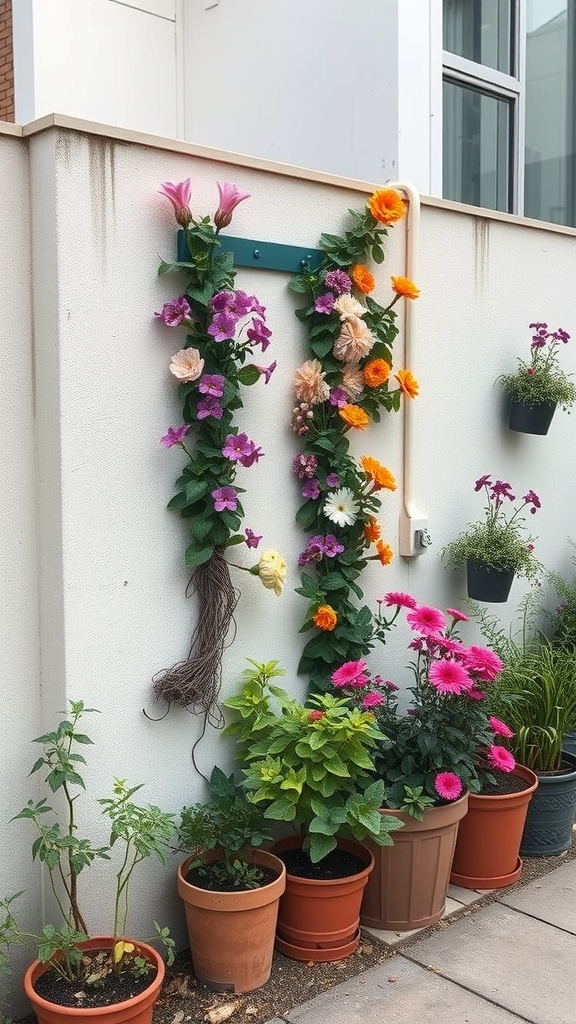
Vertical gardening is a fantastic way to maximize space, especially in small areas. The image shows a beautiful setup where flowers are arranged vertically against a wall, creating a stunning visual display. This method not only saves ground space but also adds height and interest to your garden.
The vibrant colors of the flowers, including pinks, oranges, and purples, catch the eye and bring life to the surrounding area. This setup is perfect for those who want to enjoy a cut flower garden without needing a large plot of land. The use of wall-mounted structures allows flowers to climb and spread, making the most of vertical space.
In addition to wall-mounted flowers, the image features potted plants at the base. These pots can hold a variety of plants, from herbs to more flowers, adding layers to your garden. This combination of vertical and horizontal planting creates a lush, inviting atmosphere.
For anyone looking to start a vertical garden, consider using trellises or wall planters. These can support climbing plants and flowers, making it easy to create a beautiful display. With a little creativity, you can transform even the smallest space into a vibrant garden.
Maximizing Sunlight Exposure in Your Layout
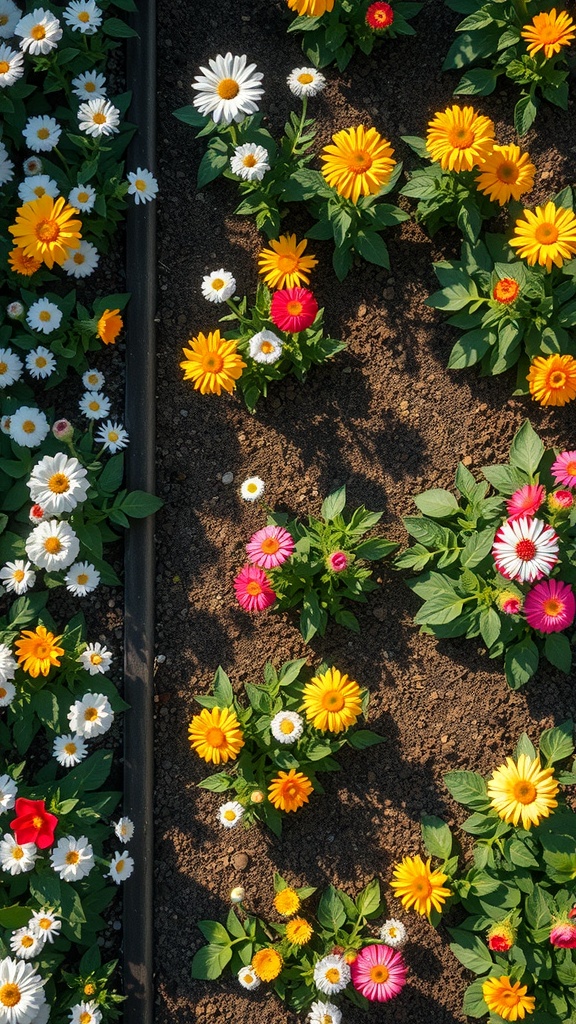
When planning your cut flower garden, sunlight is key. The image shows a vibrant mix of flowers, each thriving in the sun. To get the most out of your garden, think about how sunlight hits different areas throughout the day.
Position taller plants on the north side of your garden. This way, they won’t shade the shorter flowers. The bright yellow and pink blooms in the image are perfect examples of what to place in the front rows, where they can soak up all that glorious sunlight.
Also, consider the spacing between plants. Crowding can block light and air circulation. The flowers here are spaced well, allowing each one to shine. Regularly check for any plants that might be overshadowing others and adjust as needed.
Lastly, keep an eye on seasonal changes. As the sun shifts, so does its angle. Be ready to adapt your layout to ensure every flower gets its fair share of sunlight. This will keep your garden blooming beautifully all season long!
Designing Flower Beds for Maximum Yield
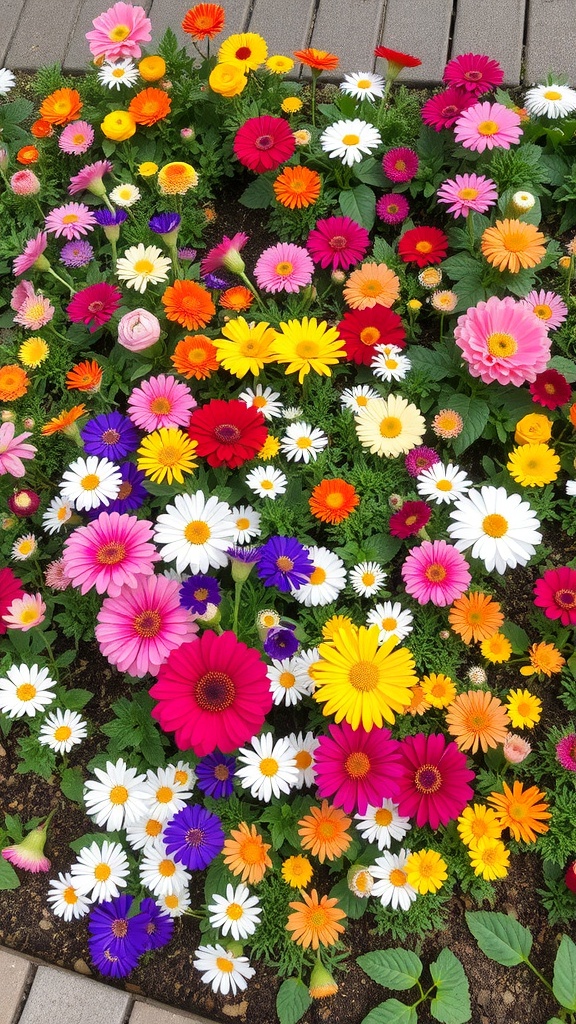
Creating a cut flower garden is a delightful way to enjoy blooms throughout the season. The image showcases a vibrant mix of flowers, bursting with colors and shapes. This diversity not only looks stunning but also attracts pollinators, which are essential for a thriving garden.
When planning your flower beds, consider grouping flowers by height and bloom time. Taller varieties can be placed at the back, while shorter ones can fill in the front. This arrangement allows for easy access when cutting flowers and ensures that every plant gets enough sunlight.
Mixing annuals and perennials can also maximize your yield. Annuals, like the cheerful daisies and zinnias in the image, bloom all season long. Perennials, on the other hand, will return year after year, providing a reliable source of flowers.
Don’t forget about spacing! Each flower needs room to grow. Crowding can lead to competition for nutrients and water, which can stunt growth. Aim for a balanced layout that promotes healthy plants and a beautiful display.
Lastly, regular maintenance is key. Watering, deadheading, and weeding will keep your garden looking its best. With a little planning and care, your cut flower garden can be a source of joy and beauty.
Watering Systems for Healthy Growth
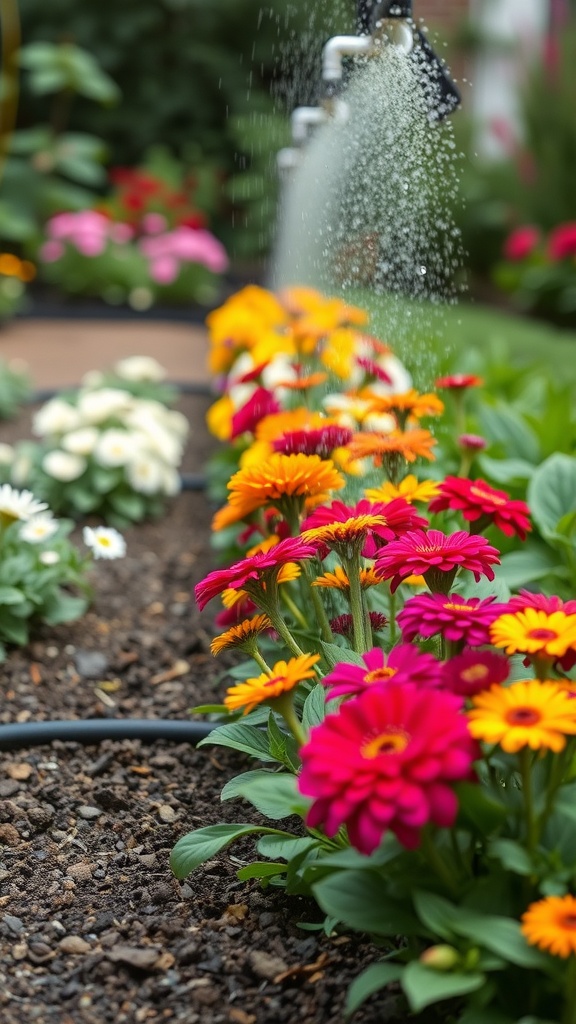
Creating a vibrant cut flower garden is all about ensuring your blooms get the right care. One of the most important aspects is a reliable watering system. The image shows a beautiful array of colorful flowers, with a watering system in action, providing the necessary hydration for healthy growth.
When planning your watering system, consider options like drip irrigation or soaker hoses. These methods deliver water directly to the roots, minimizing waste and ensuring your flowers thrive. The flowers in the image, with their bright reds, yellows, and whites, highlight how well-watered plants can flourish.
Regular watering is key, especially during hot days. A well-timed watering system can help maintain consistent moisture levels in the soil. This not only supports the growth of your flowers but also enhances their colors and overall health. Observing the flowers in the image, you can see how vibrant and lively they look, thanks to proper watering.
Lastly, don’t forget to adjust your watering schedule based on the weather. Rainy days may require less watering, while sunny spells might need more frequent checks. Keeping an eye on your garden will help you make the best decisions for your flowers.
Using Raised Beds for Better Drainage
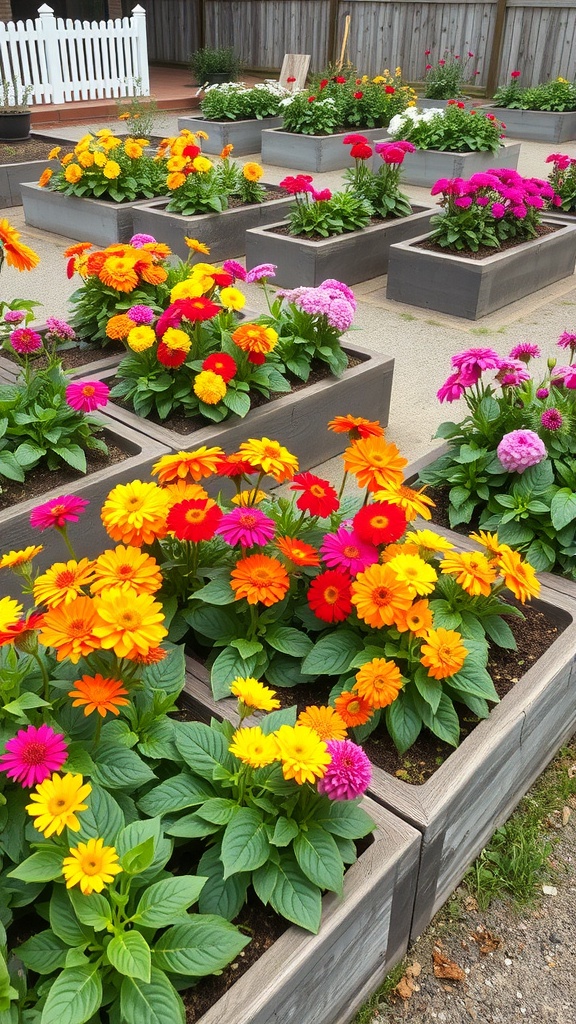
Raised beds are a fantastic choice for a cut flower garden. They offer excellent drainage, which is key for healthy plants. In the image, you can see vibrant flowers thriving in neatly arranged raised beds. The colorful blooms create a cheerful atmosphere, making gardening a joy.
One of the main benefits of raised beds is that they allow excess water to drain away easily. This prevents root rot and keeps your flowers healthy. The design in the image shows how the beds are elevated, making it easier to manage water levels.
Another advantage is that raised beds warm up faster in the spring. This means you can start planting earlier, giving your flowers a head start. The variety of colors in the image highlights how different flowers can flourish in these beds, adding beauty to your garden.
Raised beds also make it easier to control soil quality. You can fill them with a mix that suits your flowers best. The layout in the photo shows how organized and accessible these beds can be, making gardening less of a chore and more of a pleasure.
Seasonal Maintenance Tips for Flower Beds
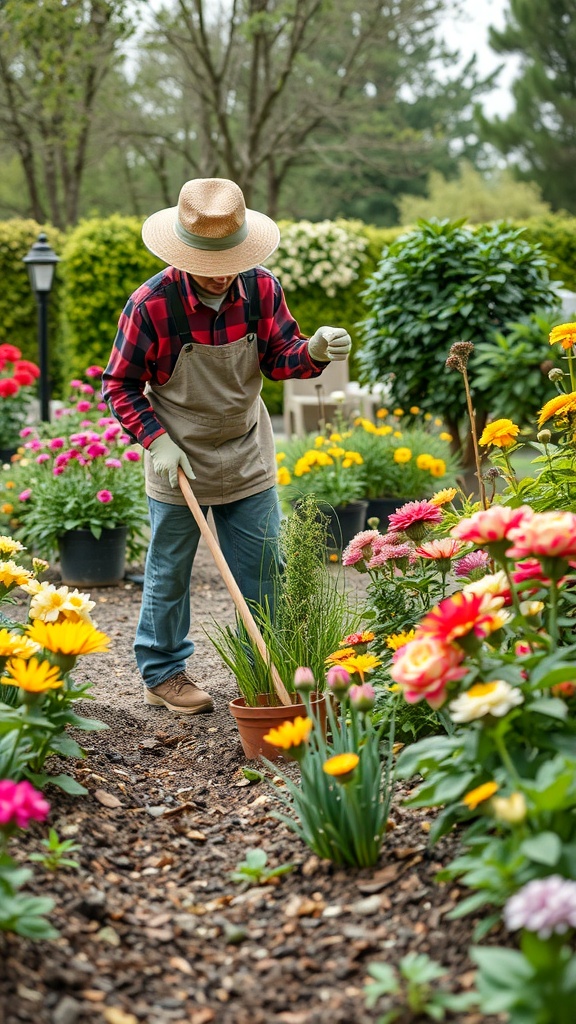
Taking care of a cut flower garden is a rewarding task. The image shows a gardener tending to vibrant flower beds, surrounded by a variety of blooms. Seasonal maintenance is key to keeping these flowers healthy and thriving.
Start by checking the soil. Healthy soil is the foundation for any garden. Adding compost or organic matter can boost nutrients. Make sure to remove any weeds that compete for resources. A clean flower bed helps your plants shine.
Watering is another essential part of maintenance. Flowers need consistent moisture, especially during dry spells. Early morning is the best time to water, allowing plants to soak up what they need before the heat of the day.
Don’t forget about deadheading! Removing spent blooms encourages new growth and keeps your garden looking fresh. This simple task can make a big difference in the overall appearance of your flower beds.
Finally, consider seasonal planting. Some flowers thrive in spring, while others do better in fall. Planning your planting schedule can ensure a continuous bloom throughout the seasons. Enjoy the beauty and fragrance of your cut flower garden!
Creating a Color Palette for Visual Appeal
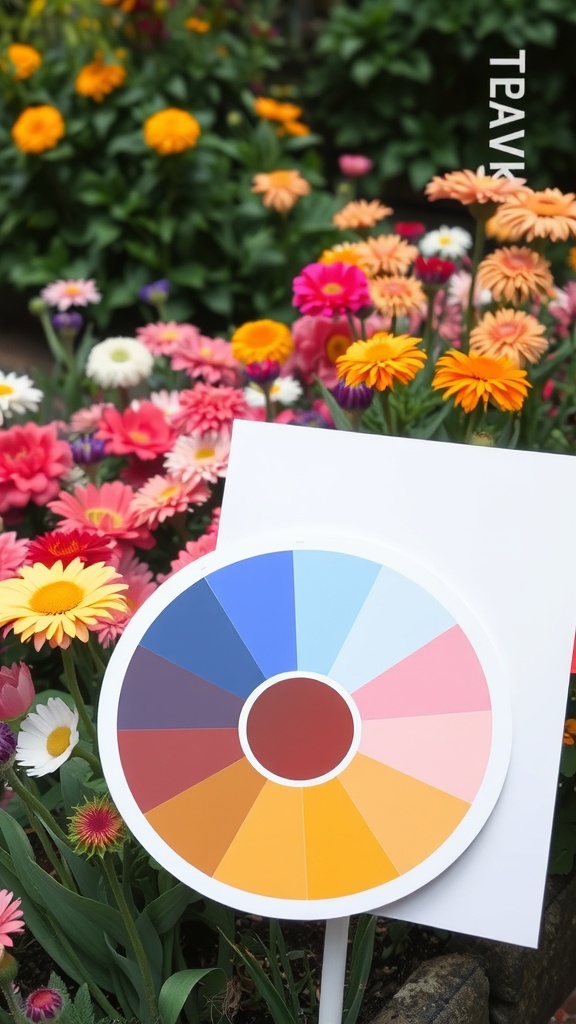
When planning a cut flower garden, choosing the right colors can make all the difference. The image shows a vibrant display of flowers alongside a color wheel. This wheel is a handy tool for selecting colors that work well together.
In the garden, you’ll notice a mix of warm and cool tones. Bright yellows and oranges pop against softer pinks and blues. This balance creates a lively yet harmonious look. Think about how these colors can complement each other in your own garden.
Using a color palette helps you visualize how different flowers will look together. You can pick a few main colors and find flowers that match those shades. This approach ensures your garden is not just a collection of random blooms, but a cohesive and beautiful space.
Don’t forget to consider the seasons. Some colors shine in spring, while others are perfect for summer or fall. Mixing seasonal flowers can keep your garden looking fresh throughout the year.
Attracting Pollinators for a Thriving Garden
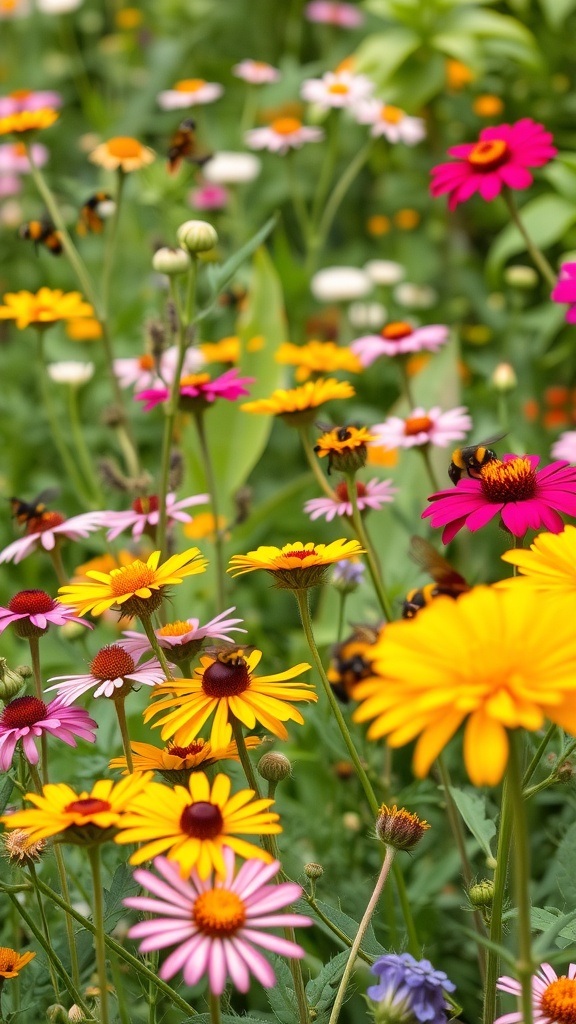
Creating a cut flower garden is not just about beautiful blooms; it’s also about inviting nature into your space. The image showcases a vibrant mix of flowers, buzzing with life. Bees and other pollinators are drawn to these colorful petals, making your garden a lively spot.
To attract these helpful creatures, consider planting a variety of flowers that bloom at different times. This ensures there’s always something for pollinators to enjoy. Bright colors like yellows, pinks, and whites, as seen in the image, are particularly appealing to them.
Another tip is to avoid using pesticides. These chemicals can harm pollinators and reduce their visits. Instead, focus on natural gardening practices. Providing a water source, like a small dish with pebbles, can also help keep them around.
By creating a welcoming environment, your cut flower garden will not only thrive but also support local wildlife. It’s a win-win for you and the pollinators!
Incorporating Edible Flowers into Your Garden
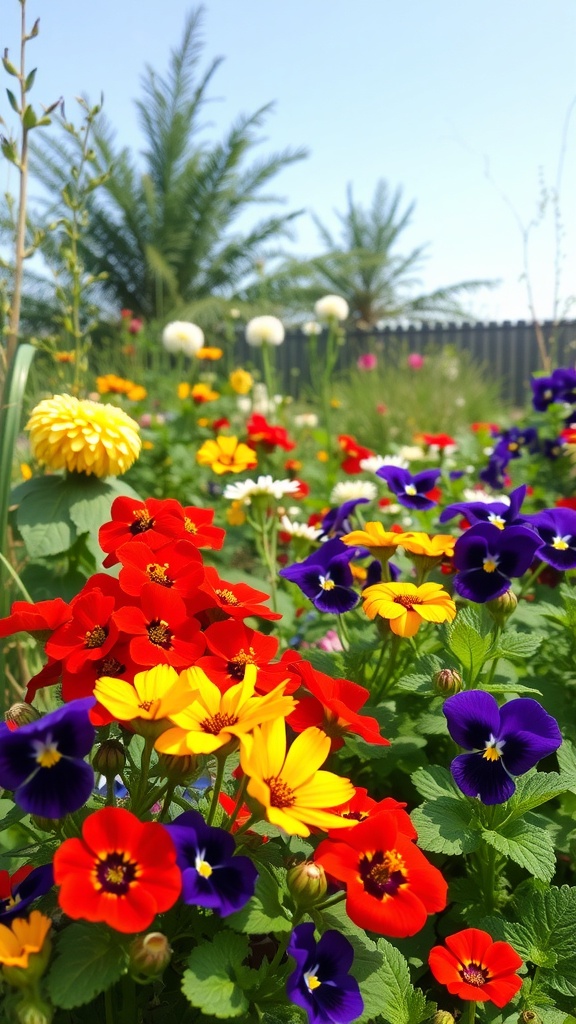
Creating a cut flower garden is a delightful way to enjoy blooms while also adding a splash of color to your meals. The image showcases a vibrant mix of flowers, including red, yellow, and purple varieties, all thriving together. These flowers not only brighten up your space but can also be edible, making them a fantastic addition to your garden.
Edible flowers like nasturtiums and pansies, seen in the image, are perfect for adding flavor and color to salads, desserts, and drinks. They bring a unique touch to your dishes, making them more visually appealing and tasty. Plus, growing your own edible flowers means you can harvest them fresh whenever you need.
When planning your garden layout, consider grouping these flowers with your regular blooms. This way, you can easily pick them for culinary use while enjoying their beauty in your garden. Just make sure to avoid using pesticides, as they can be harmful to both you and the flowers.
Incorporating edible flowers into your garden is not just practical; it’s also fun! Try experimenting with different varieties to see which ones you enjoy the most. You might find that some flowers taste better than others, adding a personal touch to your culinary creations.
Planning for Seasonal Transitions
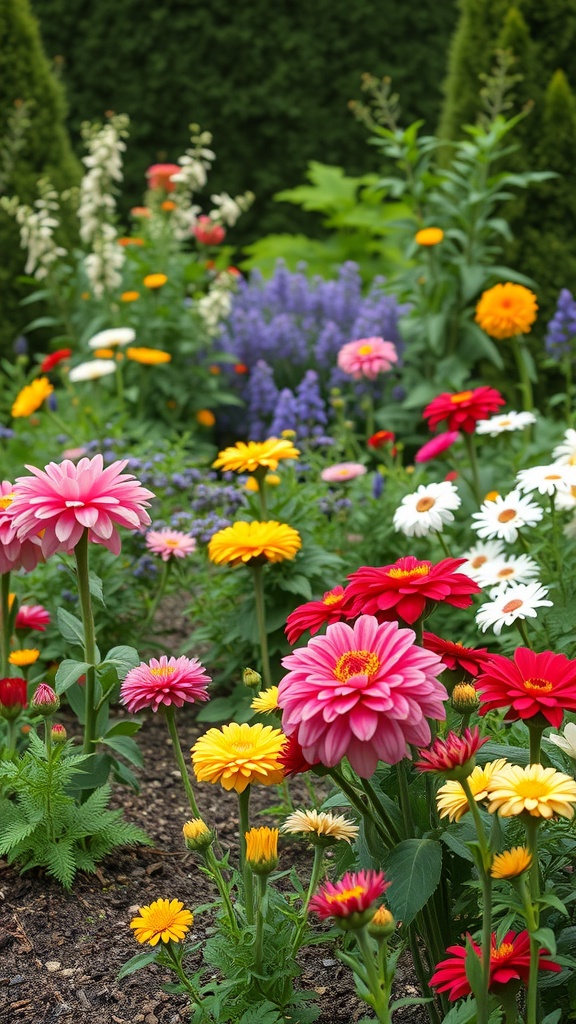
Creating a cut flower garden is a delightful way to enjoy blooms throughout the year. The image showcases a vibrant mix of flowers, including cheerful daisies and striking gerbera daisies, all arranged in a lively layout. This colorful display highlights the importance of planning for seasonal transitions.
To keep your garden flourishing, think about which flowers bloom in different seasons. For instance, early spring might feature tulips and daffodils, while summer brings sunflowers and zinnias. Mixing perennials and annuals can ensure you have something blooming at all times.
Consider the height and color of your flowers too. Taller plants can be placed at the back, while shorter ones should be in front. This not only creates depth but also makes it easier to access the blooms for cutting. A well-planned layout can provide a stunning visual impact and a continuous supply of flowers for your home.
Don’t forget to include some foliage plants. They add texture and can help fill in gaps when flowers aren’t in bloom. Planning for seasonal transitions means thinking ahead and making adjustments as needed. With a bit of foresight, your cut flower garden can be a source of joy all year long.
Incorporating Garden Art for Personal Touch

Adding garden art can make your cut flower garden truly unique. In the image, you can see a variety of colorful flowers like daisies and gerbera daisies. They create a lively backdrop for the charming garden art pieces.
The whimsical sculptures, such as the colorful swan and the playful giraffe, bring a fun vibe to the garden. These pieces not only serve as focal points but also reflect your personality and style.
Consider placing a decorative lantern or a bird feeder among the blooms. These elements can attract wildlife, adding life to your garden. The mix of art and flowers creates a welcoming space for both you and your guests.
When choosing garden art, think about colors and shapes that complement your flowers. This way, your garden will feel cohesive and inviting. Don’t be afraid to mix different styles; a bit of variety can make the space even more interesting!