
Creating a stunning garden flower bed can be a fun and rewarding way to boost your outdoor space. From colorful combinations to unique layouts, there are plenty of ideas to spark your creativity. Whether you have a tiny nook or a sprawling yard, let’s explore some fantastic flower bed concepts that can add charm and beauty to your garden.
Cottage Garden Charm
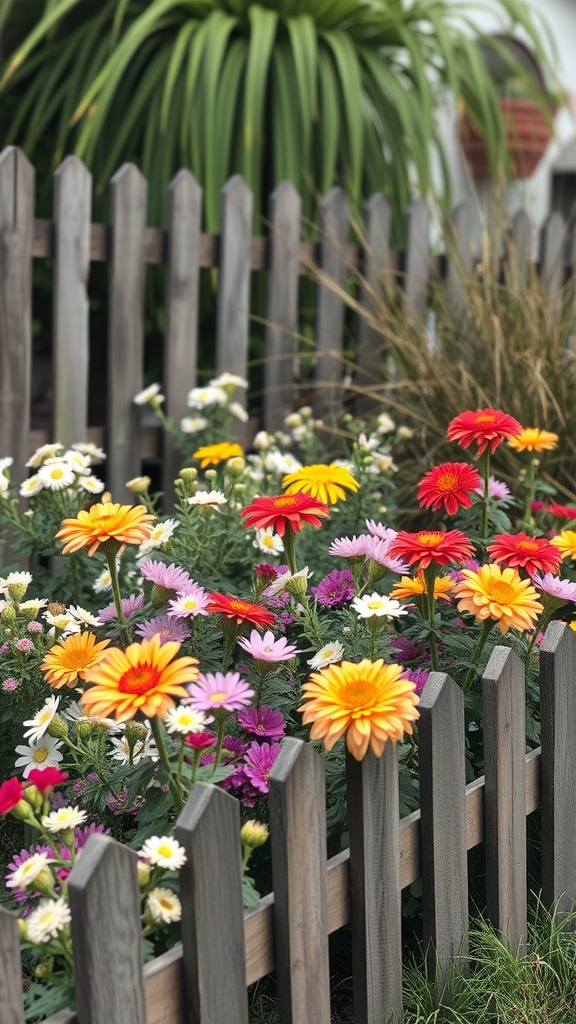
Cottage gardens are known for their cozy and inviting feel, and this flower bed captures that essence perfectly. The vibrant colors of the flowers create a cheerful atmosphere, making it a delightful spot to relax and enjoy nature.
The wooden picket fence adds a rustic touch, framing the blooms beautifully. It invites you to step closer and appreciate the variety of flowers, from daisies to gerbera daisies, each adding its unique charm to the scene.
These flower beds are often designed to be lush and overflowing, giving a sense of abundance. Mixing different flower types and colors can create a playful and whimsical look, perfect for a cottage garden.
Consider planting perennials alongside annuals to ensure that your garden remains vibrant throughout the seasons. This way, you can enjoy the beauty of your flower bed year after year.
Tropical Flower Bed Oasis
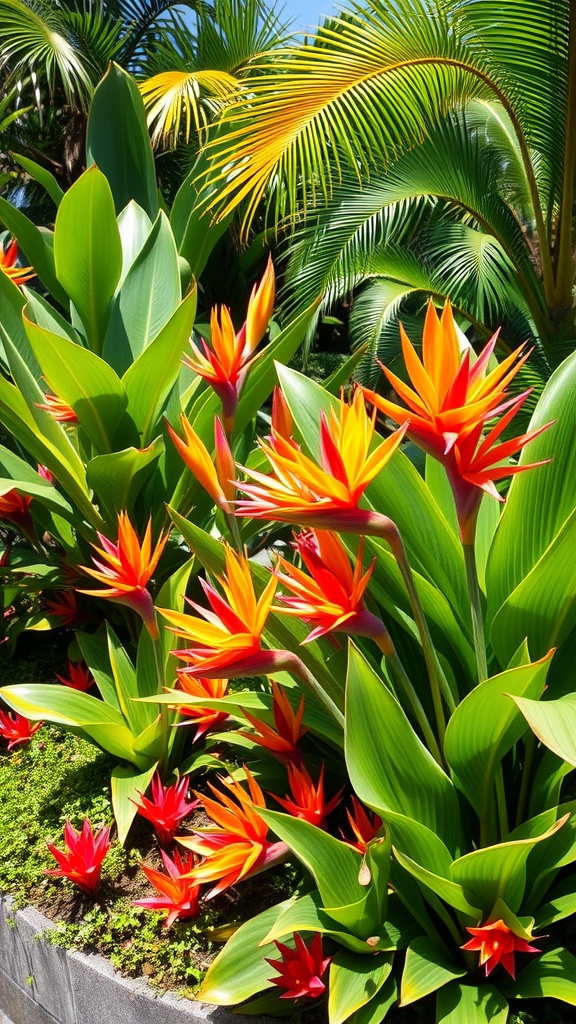
Creating a tropical flower bed can transform your garden into a vibrant paradise. Picture lush greenery paired with bright, colorful blooms. This combination not only adds beauty but also brings a sense of relaxation.
In the image, you can see stunning tropical flowers like heliconias and bromeliads. Their fiery colors, ranging from deep reds to bright oranges, create a striking visual impact. These flowers thrive in warm climates and can make any outdoor space feel like a vacation spot.
To achieve this look, consider using a mix of large-leaved plants alongside the flowers. The broad leaves provide a beautiful backdrop and enhance the tropical vibe. Planting in layers can add depth and interest, making your flower bed more dynamic.
Don’t forget to include some ground cover plants to fill in the gaps. This will help create a lush, full appearance. Regular watering and fertilizing will keep your tropical oasis thriving. With a little care, your garden can become a stunning retreat.
Seasonal Blooms for Year-Round Interest
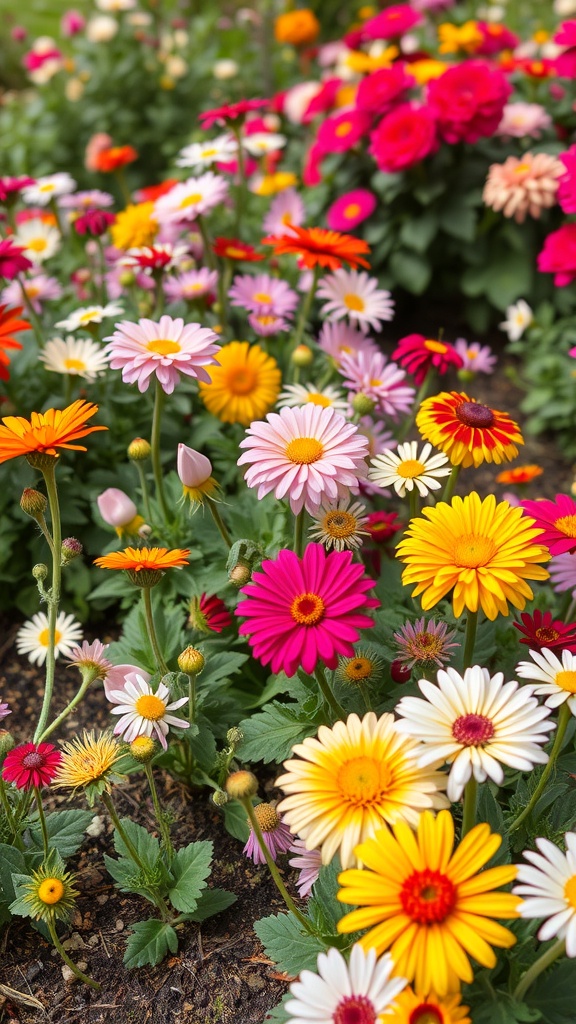
Creating a flower bed that looks great all year can be a fun project. The image shows a vibrant mix of flowers, bursting with color. You can see daisies, zinnias, and other cheerful blooms. Each flower adds its unique touch, making the garden lively and inviting.
To keep your garden looking fresh, think about planting flowers that bloom in different seasons. For spring, consider tulips and daffodils. Summer can be brightened with sunflowers and marigolds. In fall, asters and chrysanthemums can keep the colors going. Finally, winter can be brightened with evergreens or winter-blooming plants.
Mixing these seasonal flowers ensures that your garden remains interesting throughout the year. Plus, it attracts various pollinators, which is great for the environment. So, grab your gardening tools and start planning a flower bed that brings joy in every season!
Edible Flower Gardens
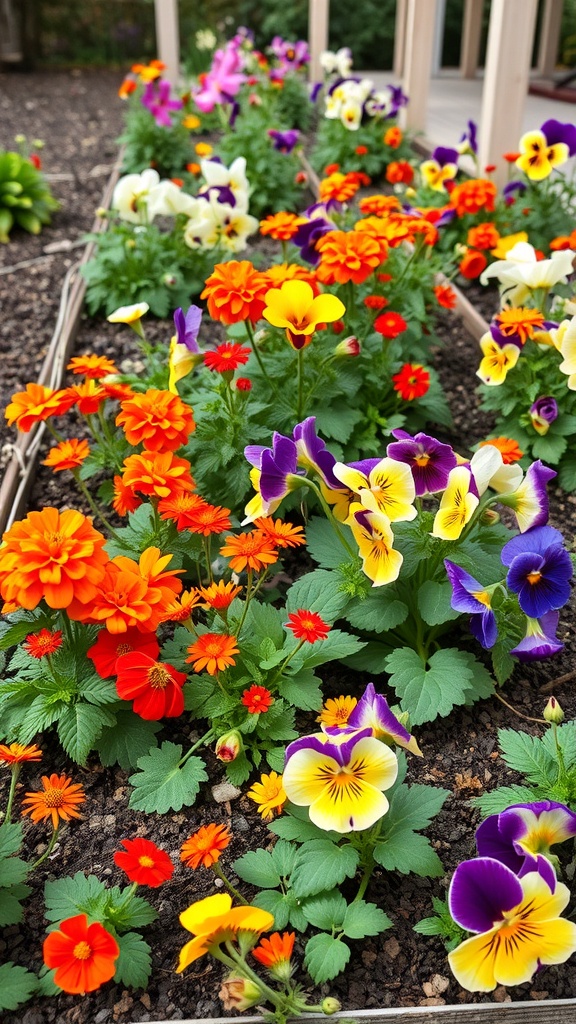
Creating an edible flower garden is a fun way to brighten up your space while adding some unique flavors to your meals. The image shows a vibrant flower bed filled with colorful blooms like pansies and marigolds. These flowers not only look great but can also be used in salads, desserts, and drinks.
Pansies are particularly popular for their mild, sweet flavor. They come in various colors, making them a beautiful addition to any dish. Marigolds, on the other hand, have a slightly spicy taste and can add a pop of color to your culinary creations.
When planning your garden, think about mixing different types of edible flowers. This will not only make your garden visually appealing but will also provide a range of flavors. You can easily incorporate these flowers into your cooking, whether you’re making a fresh salad or a decorative cake.
Don’t forget to check if the flowers you choose are safe to eat. Some flowers can be toxic, so it’s important to do your research. Once you’ve got your garden set up, you’ll be ready to impress your friends and family with your delicious, homegrown creations!
Vertical Flower Gardens
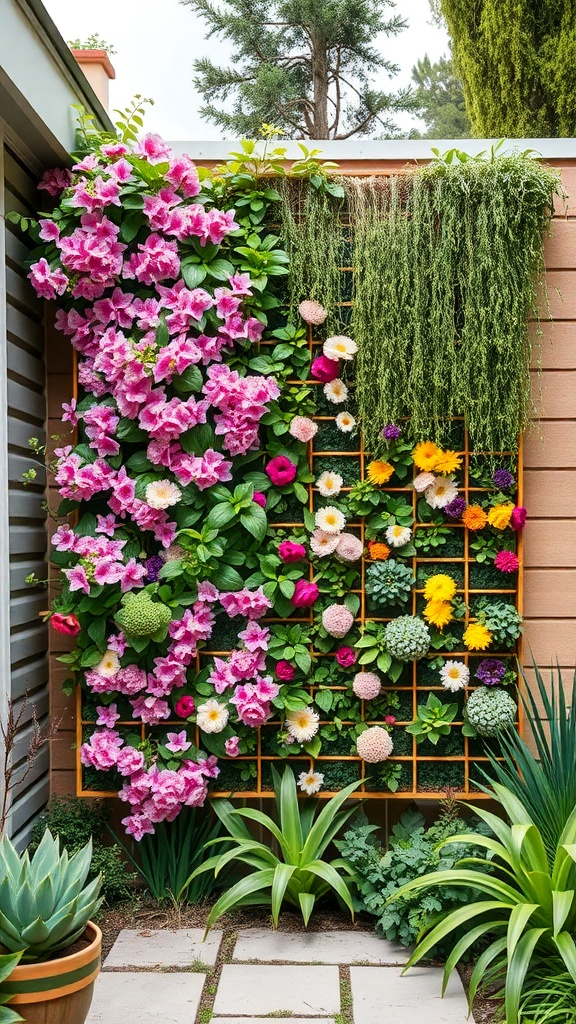
Vertical flower gardens are a fantastic way to bring color and life to small spaces. This image showcases a stunning vertical garden filled with vibrant blooms. The arrangement features a mix of flowers and greenery, creating a lively display that draws the eye.
The use of vertical space allows for creativity and maximizes the area available for planting. The wooden grid structure supports various flowers, making it easy to maintain and change as seasons shift. The pink, yellow, and white flowers pop against the green leaves, adding a cheerful touch to any garden.
Incorporating vertical gardens can also help with air circulation and sunlight exposure for plants. They can be placed against walls, fences, or even indoors, making them versatile for any setting. This style not only beautifies your space but also encourages a more sustainable gardening approach.
Pollinator-Friendly Plantings
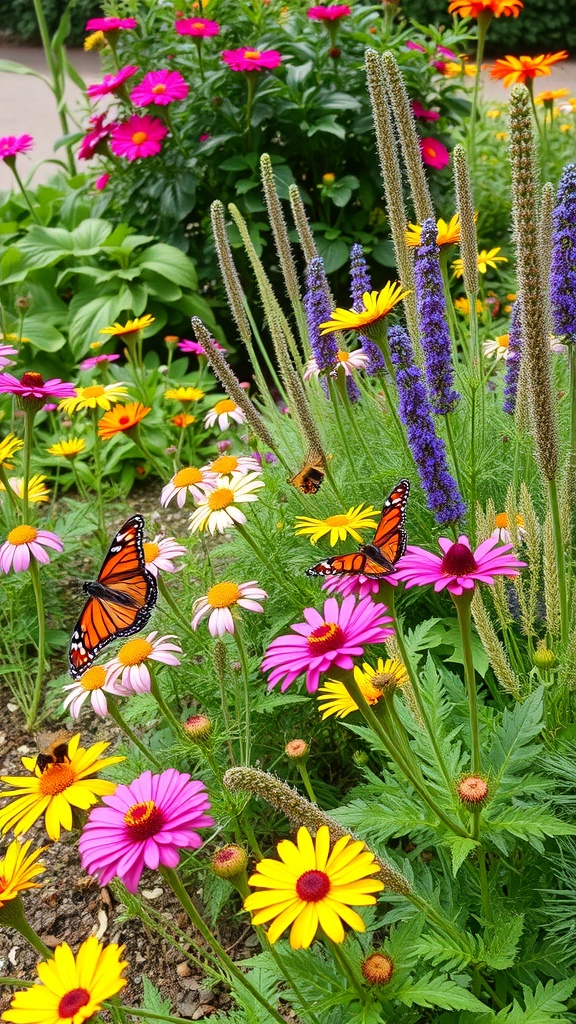
Creating a garden that attracts pollinators is a wonderful way to support local ecosystems. The image shows a vibrant flower bed filled with colorful blooms and butterflies fluttering about. This lively scene highlights the beauty of a pollinator-friendly garden.
To start, choose a variety of flowers that bloom at different times throughout the season. This ensures that there’s always something for pollinators to enjoy. In the image, you can see daisies, zinnias, and purple spires, all of which are excellent choices for attracting bees and butterflies.
Consider planting in clusters rather than single plants. Grouping flowers together makes it easier for pollinators to find food. The butterflies in the image are clearly enjoying the abundance of flowers, which makes for a lively and inviting space.
Don’t forget to include native plants! They are often the best for local pollinators. Native flowers are adapted to the local environment and provide the right nectar and pollen that many species need. This not only helps the pollinators but also creates a more sustainable garden.
Lastly, avoid using pesticides. These chemicals can harm pollinators and disrupt the balance of your garden. Instead, focus on natural pest control methods to keep your plants healthy.
Low-Maintenance Flower Beds
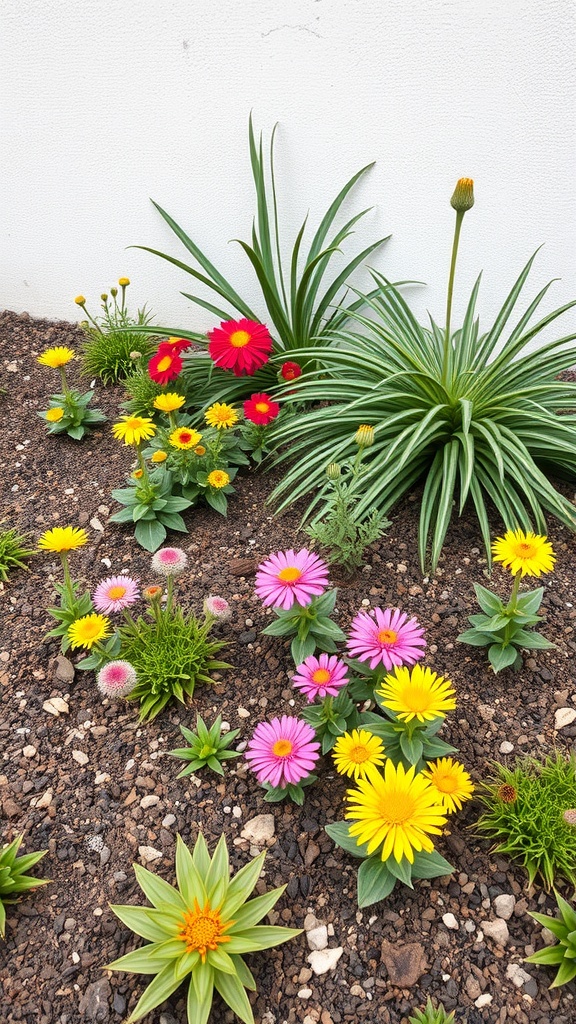
Creating a low-maintenance flower bed can be a fun and rewarding project. The image shows a vibrant mix of flowers that are perfect for anyone looking to add color without too much effort. Bright yellows, pinks, and reds pop against the earthy tones of the soil, making it visually appealing.
These flowers are not just pretty; they are also hardy. Choosing varieties that thrive in your local climate can save you time and energy. Look for drought-resistant plants that require minimal watering. This way, you can enjoy a beautiful garden without the constant upkeep.
Incorporating different heights and textures can add interest to your flower bed. The tall green plants in the back provide a nice backdrop for the shorter blooms in the foreground. This layering effect makes the garden look fuller and more dynamic.
Consider using mulch around your flowers to help retain moisture and suppress weeds. This simple step can make a big difference in maintaining your flower bed. With the right choices, you can create a stunning garden that requires little attention.
Colorful Perennial Borders
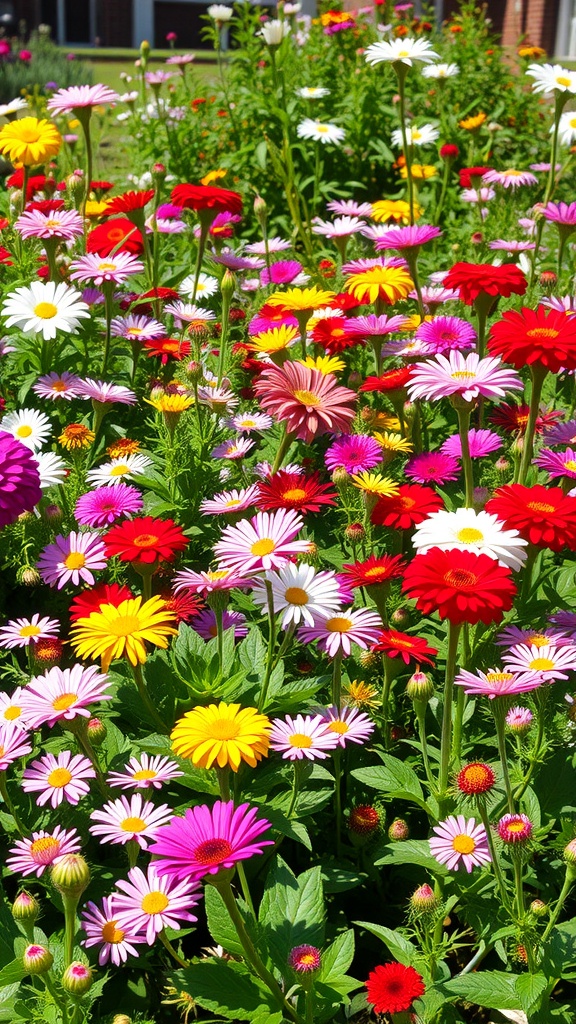
Creating a vibrant flower bed can really brighten up your garden. This image showcases a stunning array of colorful perennials that bring life to any outdoor space. The mix of reds, pinks, yellows, and whites creates a cheerful atmosphere.
Perennials are a fantastic choice for borders. They come back year after year, making them a low-maintenance option for gardeners. The flowers in this image, like daisies and gerberas, are perfect for adding pops of color throughout the seasons.
When planning your flower bed, think about how these colors will complement each other. Grouping flowers in clusters can create a more dynamic look. You can also consider the height of each plant to add depth to your garden.
Don’t forget to include some greenery to balance out the bright colors. Foliage can enhance the overall beauty of your flower bed, providing a backdrop that makes the flowers stand out even more. Enjoy the process of planting and watching your garden flourish!
Fragrant Flower Arrangements
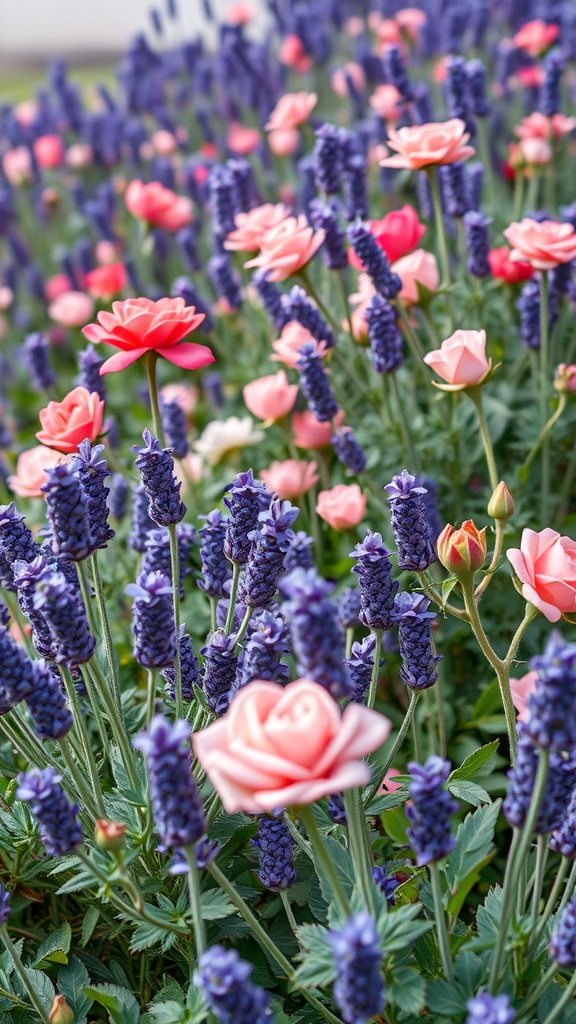
Creating a fragrant flower bed can truly transform your garden into a sensory delight. Imagine stepping outside and being greeted by the sweet scents of blooming flowers. The image showcases a beautiful arrangement of pink roses and vibrant lavender, which are both known for their lovely fragrances.
Roses bring a classic charm and a rich scent that many people adore. They come in various colors, allowing you to mix and match for a stunning visual effect. Lavender, on the other hand, adds a calming aroma that can help create a peaceful atmosphere. Together, these flowers not only look beautiful but also create a delightful olfactory experience.
When planning your fragrant flower bed, consider the placement of each flower. Grouping similar scents can enhance the overall fragrance. You might also want to include other fragrant plants like jasmine or peonies to add more variety. This way, your garden can bloom with different scents throughout the seasons.
Succulent and Cacti Flower Beds
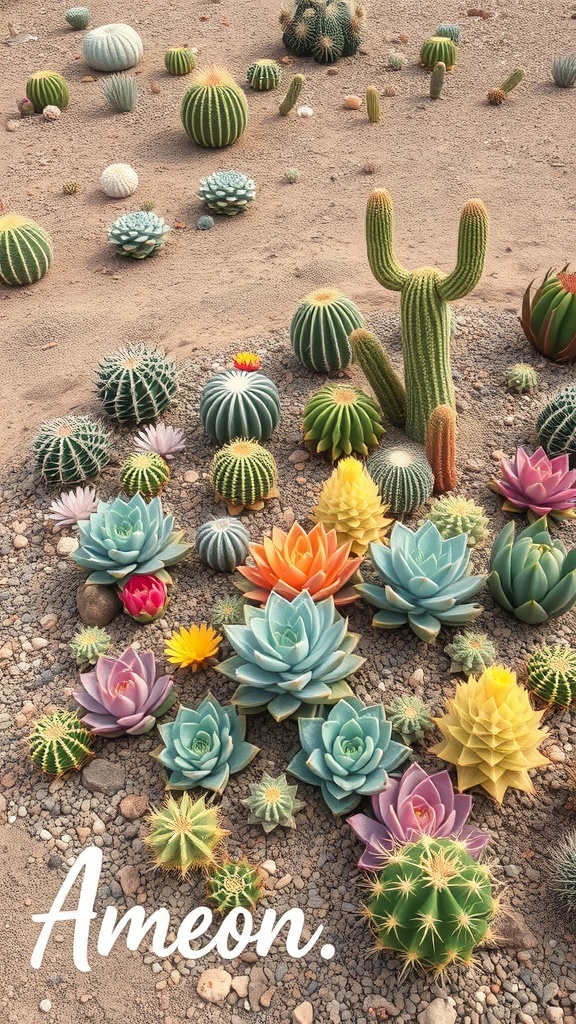
Creating a flower bed with succulents and cacti can bring a unique charm to your garden. These plants come in various shapes, sizes, and colors, making them perfect for adding visual interest. The image showcases a vibrant mix of succulents and cacti, set against a sandy backdrop. The colorful rosettes of succulents contrast beautifully with the spiky textures of the cacti.
One of the best things about succulents and cacti is their low maintenance needs. They thrive in dry conditions and require minimal watering. This makes them ideal for busy gardeners or those living in arid climates. You can arrange them in clusters or create patterns for a more artistic look.
Consider mixing different varieties to create depth and texture. For instance, pairing tall cacti with low-growing succulents can create a stunning layered effect. Adding decorative stones or gravel can enhance the overall aesthetic, providing a clean, modern look.
Don’t forget to choose a sunny spot for your flower bed. Most succulents and cacti love the sun and will flourish with plenty of light. With a little creativity, your succulent and cacti flower bed can become a standout feature in your outdoor space.
Wildflower Meadows
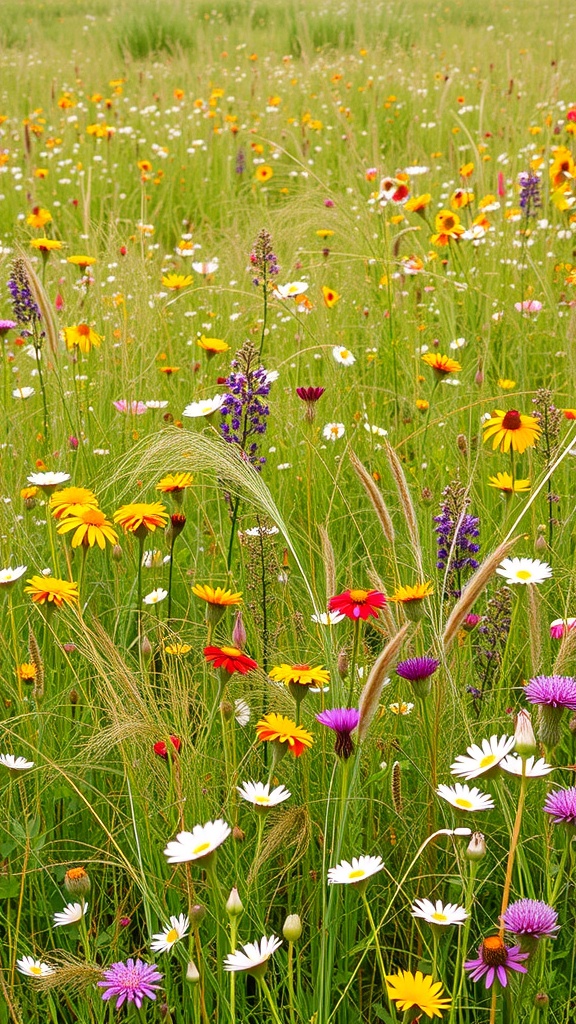
Wildflower meadows are a stunning way to bring life and color to your garden. Imagine a vibrant field filled with daisies, poppies, and other native blooms swaying in the breeze. This image captures that beauty perfectly, showcasing a mix of bright yellows, reds, and purples among lush green grass.
Creating a wildflower meadow is simple and rewarding. Start by choosing a mix of wildflower seeds that thrive in your local climate. Scatter them over a prepared area of soil, and watch as they grow into a colorful tapestry. These meadows not only look great but also attract bees and butterflies, supporting local wildlife.
Maintenance is minimal. Just let nature take its course! Mowing once a year helps keep the flowers healthy and encourages new growth. With a wildflower meadow, you can enjoy a beautiful, low-maintenance garden that changes with the seasons.
Shade-Loving Flower Varieties
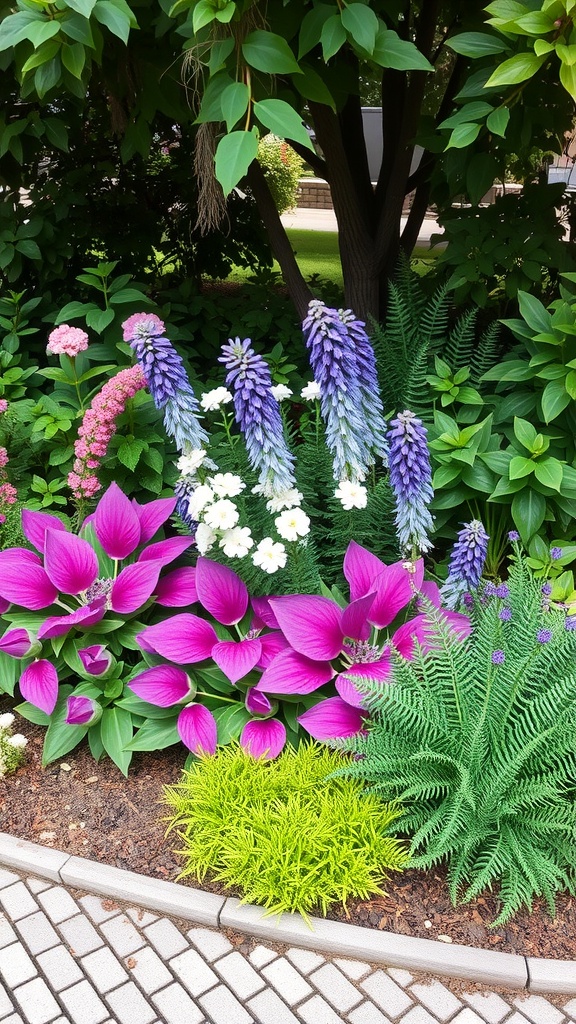
Creating a beautiful flower bed in shady areas can be a fun challenge. The image showcases a vibrant mix of shade-loving plants that thrive under the cover of trees. Notice the striking purple flowers that add height and drama to the arrangement.
The lush green leaves of the hostas provide a bold contrast, while the delicate white blooms bring a touch of softness. Ferns add texture and fill in the gaps, making the bed look full and inviting.
For those looking to brighten up darker corners of the garden, consider adding plants like astilbe or bleeding heart. These varieties not only thrive in shade but also bring unique colors and shapes to your flower bed.
Mixing different heights and textures creates a dynamic look. Don’t shy away from experimenting with colors and shapes. A well-planned shade garden can be just as stunning as a sunny one!
Butterfly Garden Designs
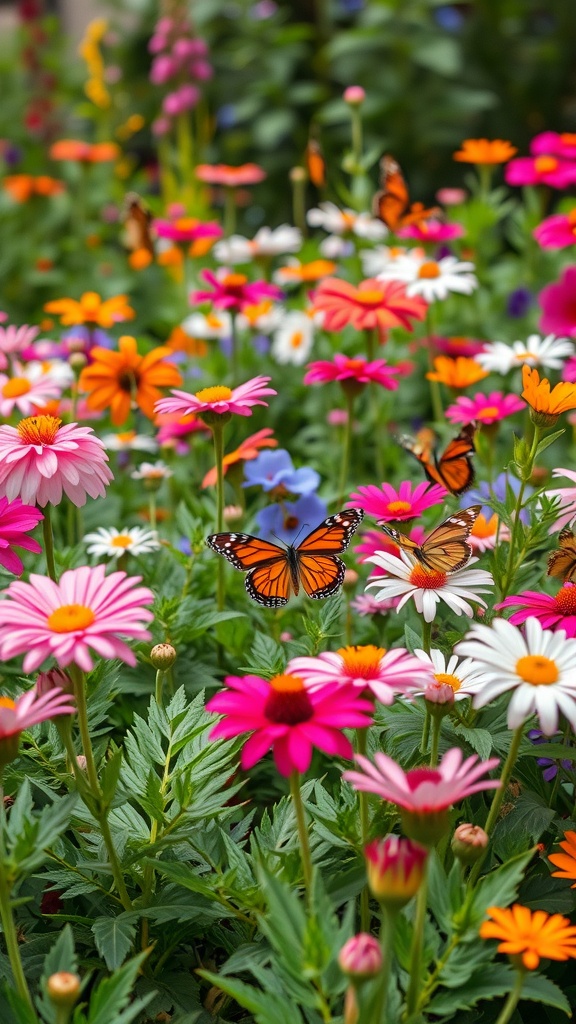
Creating a butterfly garden is a delightful way to bring color and life to your outdoor space. The image showcases a vibrant flower bed filled with a mix of daisies and other blooms, attracting butterflies with their bright colors. The butterflies fluttering among the flowers add a magical touch to the scene.
To design your own butterfly garden, start by choosing flowers that are known to attract these lovely creatures. Plants like zinnias, coneflowers, and marigolds are great options. These flowers not only provide nectar but also create a beautiful display.
Consider planting in clusters to create a more inviting environment for butterflies. They prefer larger patches of color over scattered blooms. Mixing different heights and colors can add depth and interest to your garden.
Don’t forget to include some host plants for caterpillars, like milkweed or parsley. This will ensure that your garden supports butterflies throughout their life cycle.
Rock Garden Flower Beds
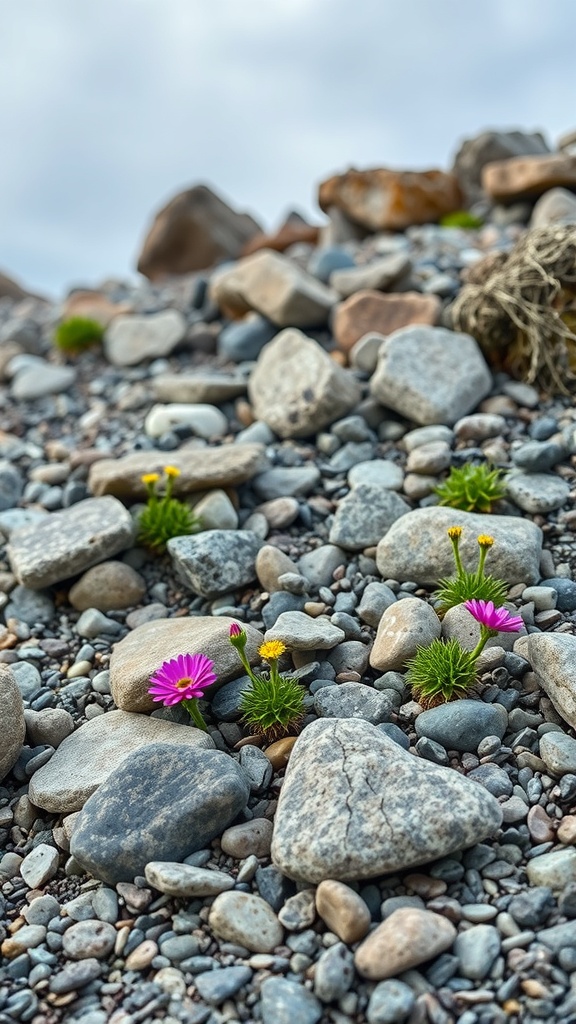
Rock gardens are a fantastic way to blend nature with creativity. They use stones and plants to create a unique landscape that feels both natural and artistic. In the image, you can see colorful flowers peeking through a bed of smooth stones. This combination adds a touch of charm and liveliness to any outdoor space.
These flower beds are not just visually appealing; they also require less maintenance. The rocks help with drainage, which is great for plants that thrive in dry conditions. You can choose flowers that bloom in various colors, like the pink and yellow ones shown here, to create a vibrant display.
When planning your rock garden, think about the arrangement of stones and plants. Grouping flowers in clusters can create a more dynamic look. You can also mix different types of rocks for added texture. This style allows you to express your personality while enjoying the beauty of nature.
Formal Garden Flower Beds
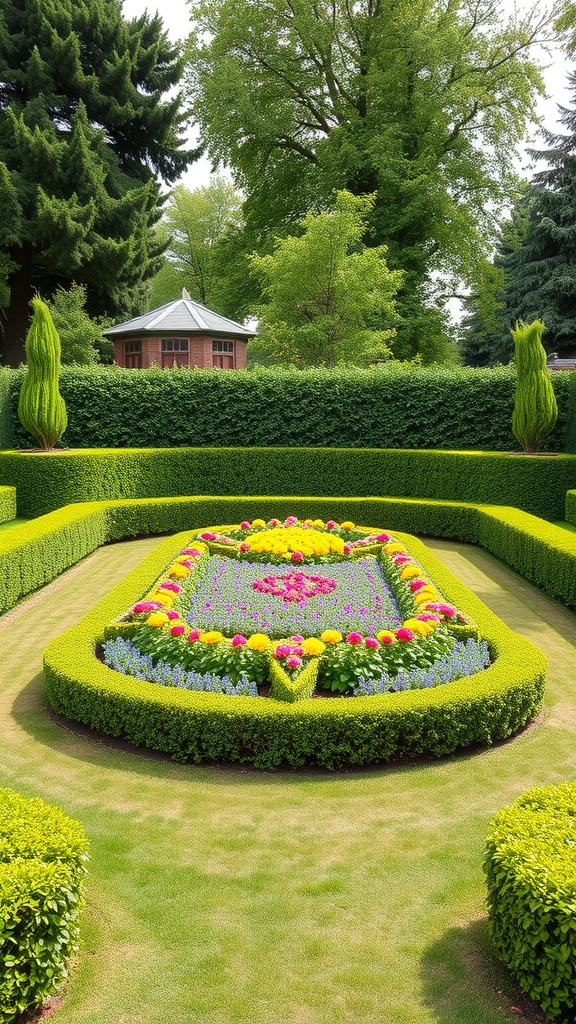
Formal garden flower beds are a beautiful way to create structure and elegance in your outdoor space. The image showcases a stunning example of this style, featuring neatly trimmed hedges that frame a vibrant flower bed. The careful arrangement of colorful blooms adds a cheerful touch, while the geometric layout provides a sense of order.
In a formal garden, symmetry is key. Notice how the flower bed is centered and surrounded by lush greenery. This design draws the eye and creates a focal point that can be admired from various angles. The use of different flower types, like the bright pinks and yellows, adds depth and interest without overwhelming the senses.
To achieve a similar look, consider using a mix of perennials and annuals that bloom at different times. This way, your garden will have color throughout the seasons. Incorporating low-maintenance plants can also help keep your flower beds looking sharp with minimal effort.
Overall, formal garden flower beds offer a sophisticated way to showcase your love for gardening. They invite you to enjoy the beauty of nature while providing a polished appearance that enhances your outdoor living space.
Container Flower Bed Ideas
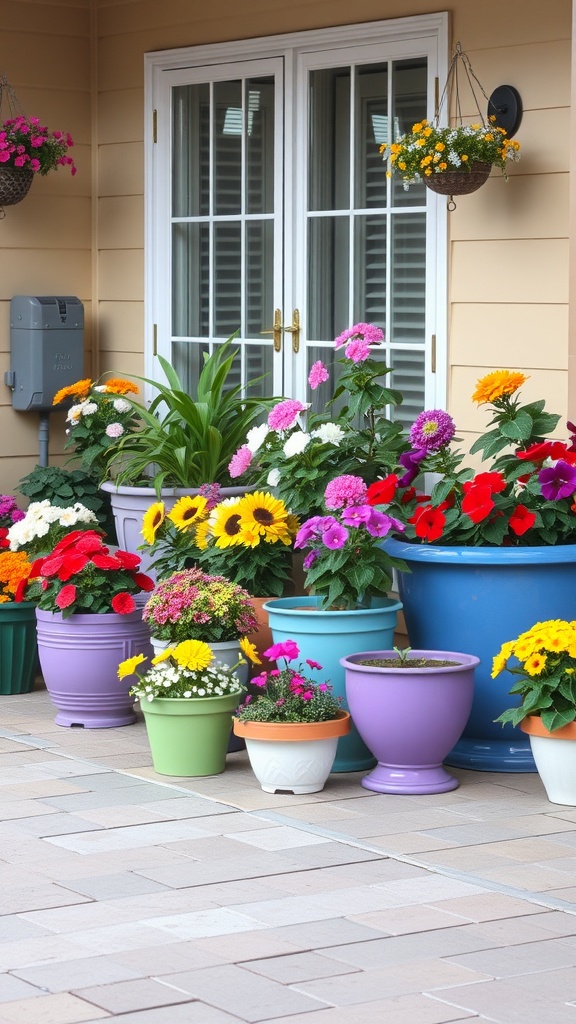
Container flower beds are a fantastic way to bring color and life to any space, especially if you’re short on garden space. The image shows a vibrant display of flowers in various pots, creating a cheerful atmosphere right outside a home. Each pot is filled with different blooms, showcasing a mix of colors and types.
Using containers allows for creativity. You can choose pots in various shapes and sizes, and even paint them to match your style. The combination of bright flowers like sunflowers, petunias, and dahlias adds a lively touch. This setup is perfect for small patios or balconies where traditional garden beds might not fit.
Don’t forget about the arrangement! Grouping pots together can create a fuller look. You can mix taller plants with shorter ones for depth. Hanging baskets, like those seen in the image, also add dimension and make use of vertical space. This way, you can enjoy flowers at different heights.
Container gardening is also practical. You can move pots around to find the best sunlight or even bring them indoors during colder months. Plus, it’s easier to control the soil and watering needs for each plant. So, whether you’re a seasoned gardener or just starting, container flower beds can be a delightful addition to your home.
Herb and Flower Combinations
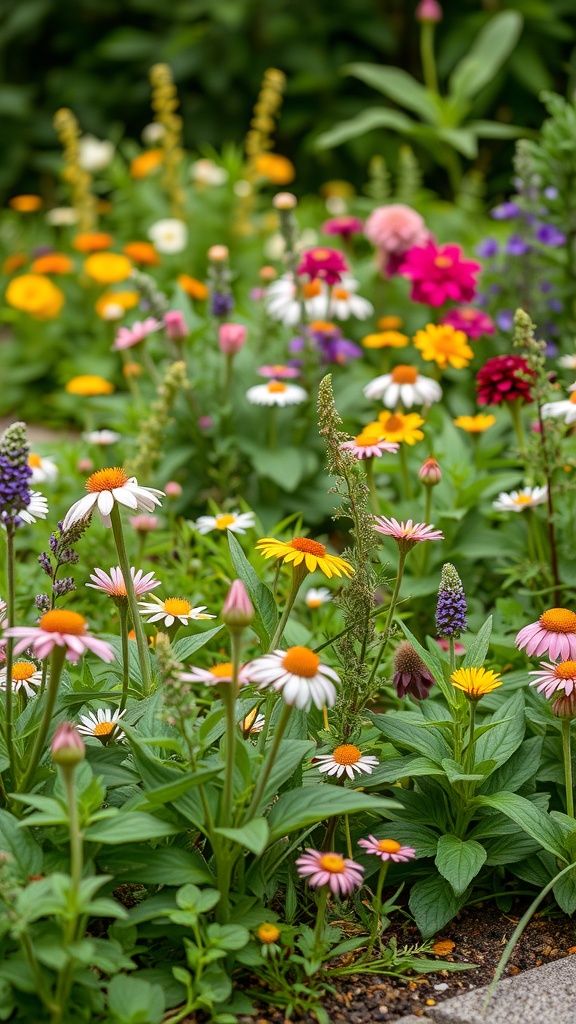
Creating a garden that features both herbs and flowers can be a delightful experience. The image shows a vibrant flower bed filled with various blooms, showcasing a mix of colors and textures. This lively arrangement not only adds beauty but also serves practical purposes.
Combining herbs with flowers can enhance your garden’s appeal. For instance, pairing lavender with daisies creates a stunning visual while offering a lovely fragrance. Herbs like basil and rosemary can thrive alongside colorful blooms, providing fresh ingredients for your kitchen.
Another great combination is marigolds with mint. Marigolds help deter pests, while mint adds a refreshing touch to your dishes. This mix of utility and beauty makes your garden both functional and enjoyable.
Don’t forget about spacing! Ensure that herbs have enough room to grow without overshadowing the flowers. This way, both can flourish and contribute to a thriving garden space.
Vintage Flower Bed Styles
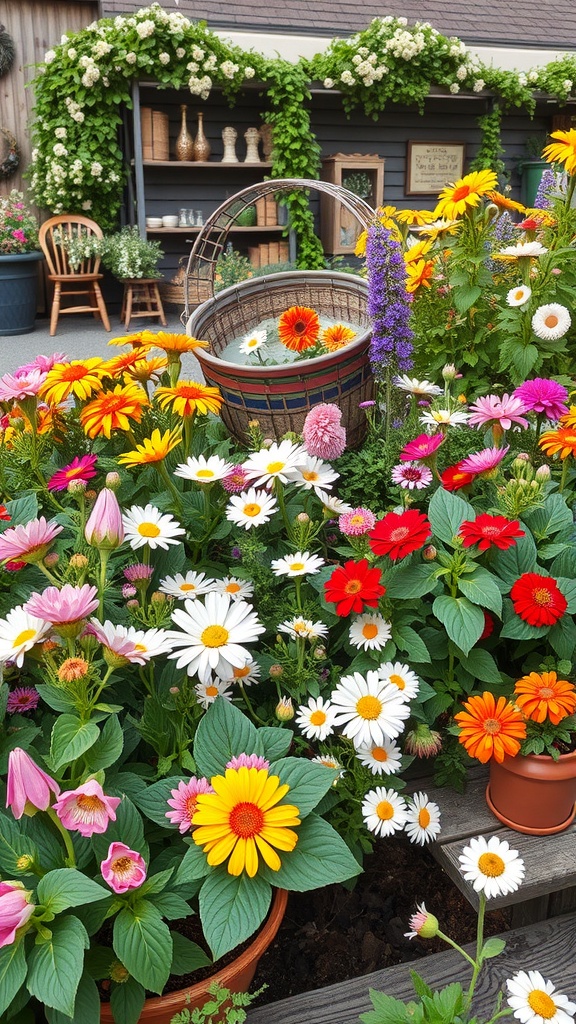
When you think of vintage flower beds, imagine a charming mix of colors and textures that bring a sense of nostalgia. The image showcases a delightful arrangement of flowers, bursting with life and personality. Bright yellows, reds, pinks, and whites create a cheerful display that feels both inviting and warm.
The use of a rustic basket adds a lovely touch, enhancing the vintage vibe. It’s not just about the flowers; it’s about how they are presented. The wooden elements in the background, along with the greenery, create a cozy atmosphere that feels like stepping into a quaint garden from a storybook.
Incorporating vintage styles into your flower bed can be as simple as mixing different flower types and colors. Think about using daisies, zinnias, and other classic blooms that evoke a sense of timeless beauty. Layering plants at different heights, like the taller flowers in the back and shorter ones in the front, adds depth and interest to your garden.
Don’t forget to include some decorative elements, like pots or vintage furniture, to complete the look. These small touches can transform a simple flower bed into a charming vintage escape right in your backyard.
Border Flower Beds for Pathways
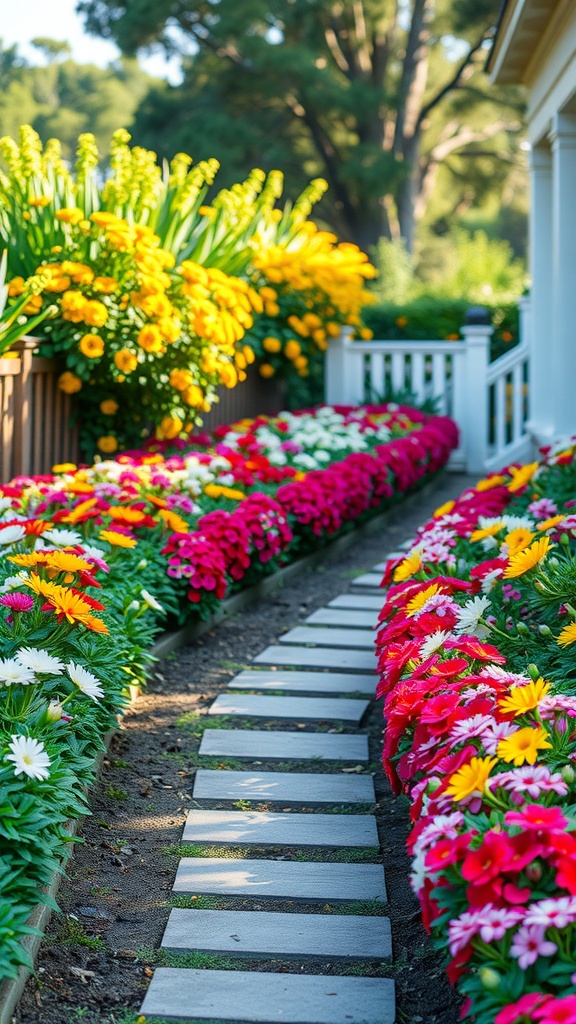
Creating border flower beds along pathways can transform any garden into a vibrant and inviting space. The image showcases a beautiful arrangement of colorful flowers lining a stone path, making it a delightful sight for anyone walking through.
The bright yellows, pinks, and whites of the flowers add a cheerful touch. These borders not only enhance the visual appeal but also guide visitors along the path. The stone slabs provide a practical and stylish way to navigate through the garden.
Choosing flowers that bloom at different times can ensure that your border remains lively throughout the seasons. Consider mixing perennials and annuals for a dynamic look. This approach allows for a burst of color in spring and summer, while also providing structure in the fall and winter months.
Incorporating different heights and textures can create depth in your flower bed. Taller plants can be placed at the back, with shorter varieties in front. This layering effect draws the eye and adds interest. Don’t forget to consider the maintenance needs of your chosen flowers to keep your garden looking its best!
Zen Garden Flower Arrangements
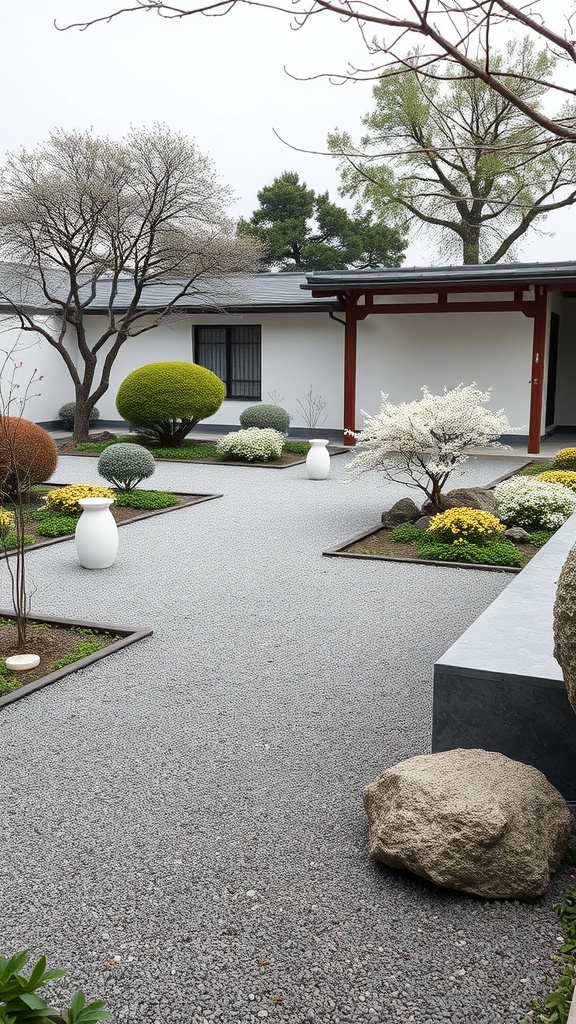
Creating a Zen garden flower arrangement can be a delightful way to bring peace and beauty to your outdoor space. The image shows a serene garden with carefully placed elements that evoke tranquility. Notice how the soft colors of the flowers complement the smooth lines of the gravel paths.
In this garden, the arrangement of plants is intentional. The round bushes and delicate trees create a sense of balance. The white flowers add a touch of purity, while the rocks provide a natural feel. This combination encourages relaxation and mindfulness.
When planning your own Zen garden, think about the shapes and colors you want to include. Simple, clean lines and a limited color palette can help maintain that calming vibe. Consider using stones and gravel to create pathways that guide the eye through the space.
Incorporating flowers like chrysanthemums or cherry blossoms can enhance the aesthetic. These blooms not only add color but also symbolize renewal and beauty. Remember, the goal is to create a peaceful retreat where you can unwind and connect with nature.
Rain Garden Flower Beds
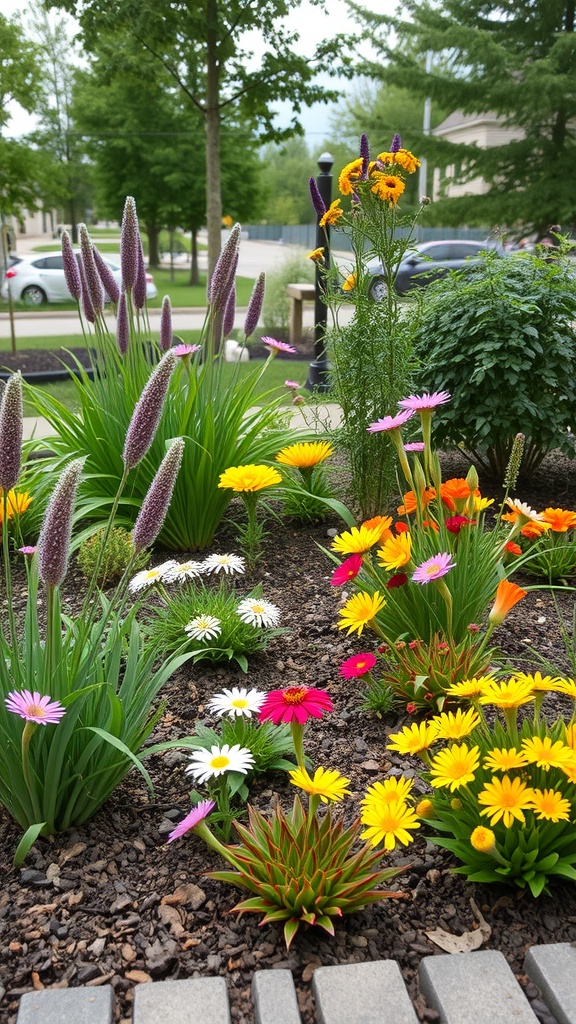
Rain gardens are a fantastic way to manage stormwater while adding beauty to your yard. The image shows a vibrant flower bed filled with colorful blooms, perfect for attracting pollinators and enhancing your outdoor space.
The flowers in this garden are not just pretty; they are also chosen for their ability to thrive in wet conditions. Plants like daisies and gerbera daisies add a splash of color, while the taller flowers provide height and texture. This mix creates a lively and inviting atmosphere.
Incorporating native plants can help your rain garden flourish. These plants are adapted to local conditions and can handle both wet and dry spells. This means less maintenance for you and a more sustainable garden.
When planning your rain garden, think about the layout. Grouping plants by height and color can create a visually appealing design. The use of mulch not only keeps weeds at bay but also helps retain moisture in the soil.
Overall, a rain garden flower bed is a beautiful and functional addition to any landscape. It’s a great way to enjoy nature while also doing your part for the environment.