
A cut flower garden is a delightful way to bring the beauty and fragrance of fresh blooms into your home. Growing flowers specifically for cutting allows you to enjoy seasonal varieties, create stunning arrangements, and spread joy to friends and family. With a little planning and care, you can cultivate a garden that offers continuous blooms throughout the seasons.
Creating Stunning Flower Arrangements from Your Garden
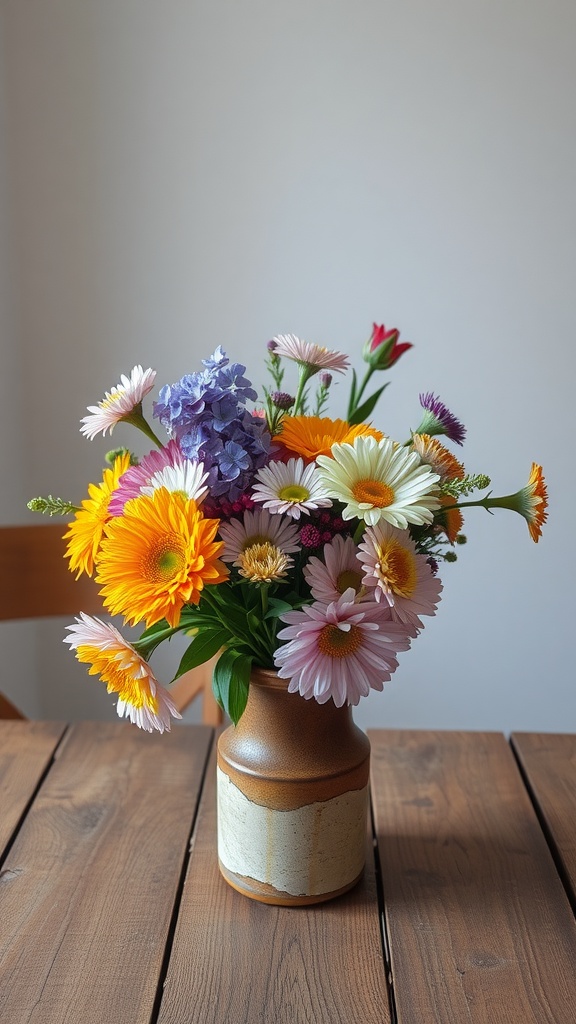
Bringing blooms from your garden into your home can brighten up any space. The image shows a beautifully arranged vase filled with colorful flowers, making it a perfect example of what you can achieve.
This arrangement includes vibrant daisies and delicate hydrangeas, showcasing a variety of colors and textures. Mixing different types of flowers adds depth and interest, transforming a simple vase into a centerpiece.
To create your own stunning arrangements, start by selecting flowers that are in season. Look for a mix of shapes and shades to keep it lively. Don’t forget to trim the stems at an angle and remove any leaves that will sit below the water level, ensuring your flowers stay fresh longer.
Play with the arrangement until it feels right. You can cluster similar colors together or alternate between complementary shades. The key is to let your creativity flow and have fun while you work!
Soil Preparation Techniques for Healthy Growth
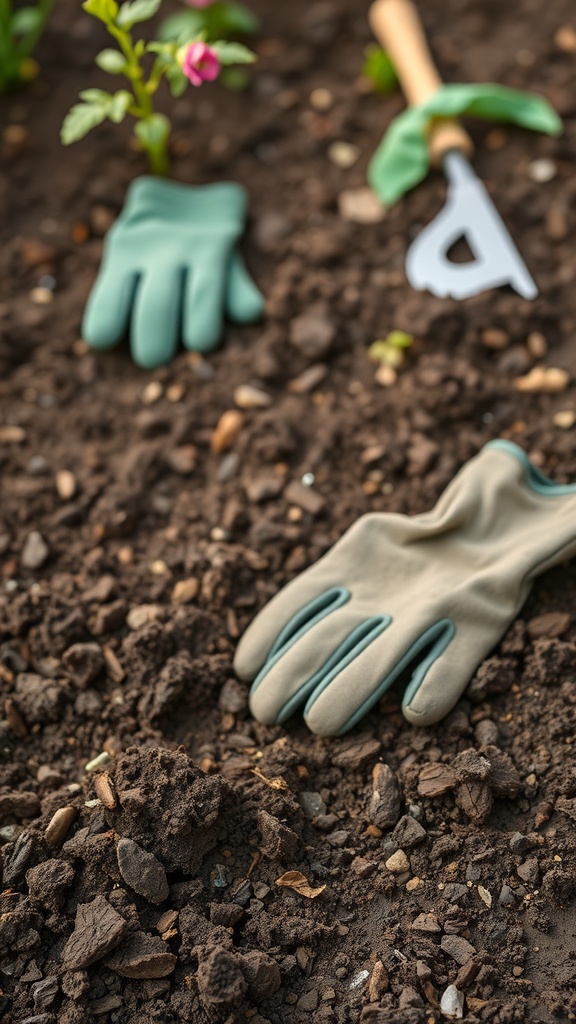
Getting the soil ready is one of the most important steps for a cut flower garden. Healthy soil provides the right nutrients that flowers need to flourish. In the image, we see a pair of gardening gloves and a small tool, resting on rich, dark soil. This setup suggests that someone is getting their hands dirty, which is part of the fun of gardening!
Start by clearing the area of weeds and debris. This helps prevent competition for nutrients. Next, it’s good to loosen the soil using a hoe or fork. This makes it easier for roots to grow. You can also add compost to boost the soil’s fertility, giving your flowers the best start.
Don’t forget about drainage! Flowers love well-draining soil. If your soil retains too much water, consider adding sand or perlite. Lastly, testing the pH level can be beneficial. Most flowers prefer slightly acidic to neutral soil. Taking these steps will lead to a beautiful and abundant cut flower garden!
Selecting Seasonal Blooms for Year-Round Color
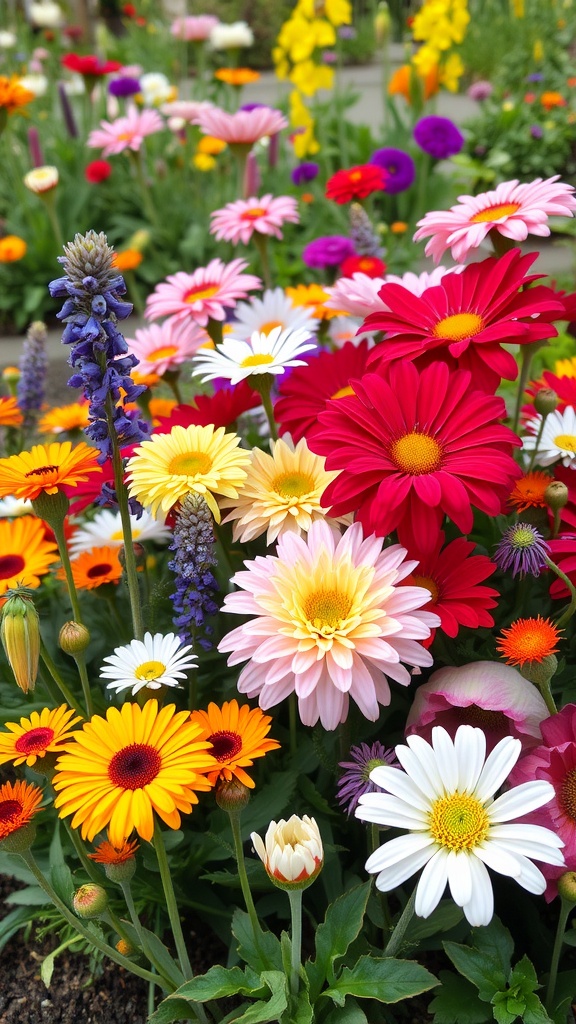
Creating a cut flower garden is a wonderful way to enjoy the beauty of blooms throughout the year. The image shows a vibrant collection of seasonal flowers, each adding its own charm and color. From cheerful daisies to elegant purple blooms, this garden is a feast for the eyes.
When selecting flowers for your garden, think about what will thrive in each season. Spring is perfect for planting bright, cheerful flowers like daffodils and tulips. As summer rolls in, sunflowers and zinnias can take center stage, bringing warmth and joy.
In fall, consider planting asters and chrysanthemums to keep that color alive. Finally, winter can be brightened with hardy pansies and evergreens that offer a splash of color against the frosty backdrop. With a bit of planning, you can ensure your garden is a delightful display, no matter the time of year.
Companion Planting: Enhancing Growth and Pest Control
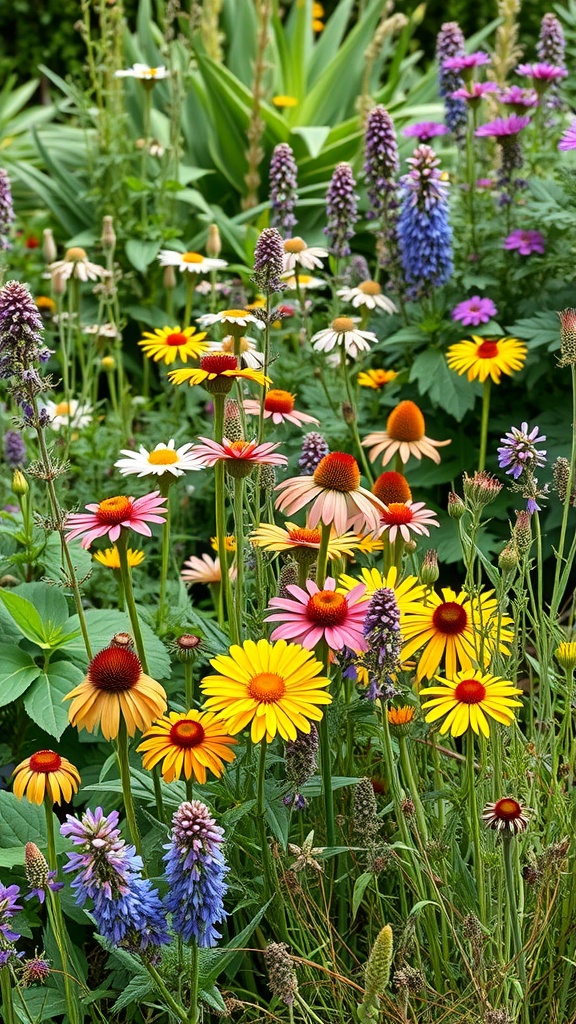
Companion planting is a fun and practical approach in a cut flower garden. The vibrant mix of flowers in the image showcases various plants thriving together. Each flower not only adds beauty but also serves a purpose.
Some flowers attract beneficial insects, like ladybugs and bees, which help pollinate and control pest populations. For instance, the colorful daisies and echinacea can draw in these helpful critters. This creates a balanced ecosystem where plants can flourish.
Furthermore, certain flowers can repel pests. For example, marigolds are known for their pest-repelling qualities. Planting them alongside other blooms can help protect them from harmful insects. By choosing the right combinations, you enhance growth and create a healthier garden environment.
Using companion planting strategies not only maximizes your garden’s potential but also makes it a beautiful and lively space. The result is a cut flower garden that is not just pretty, but also productive and sustainable.
Harvesting Flowers for Longevity in Vases
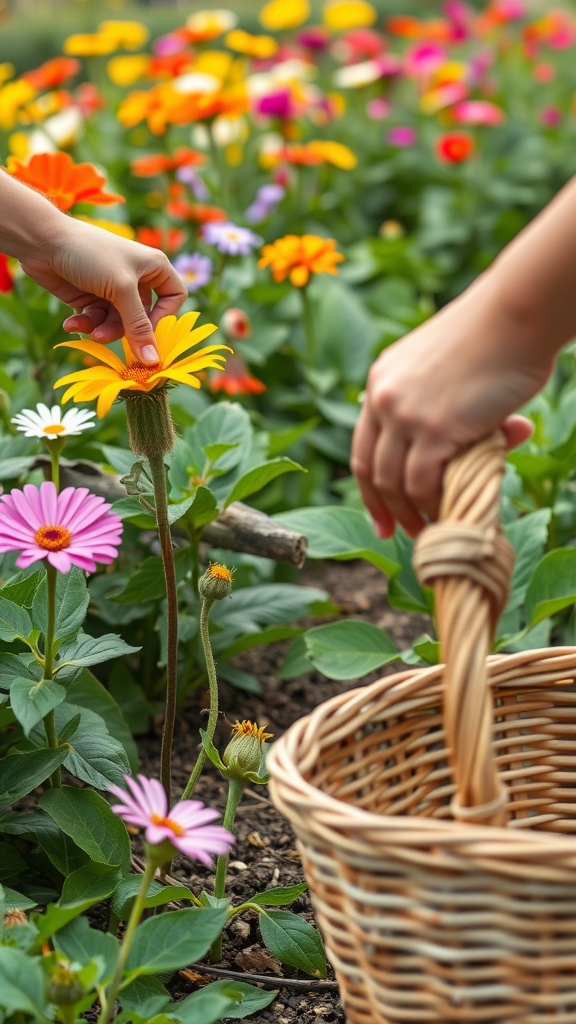
In this vibrant scene, someone gently picks a bright flower from a flourishing cut flower garden. The colorful blooms create a stunning backdrop, showcasing a mix of pinks, oranges, and whites. This moment captures the joy of harvesting fresh flowers, which can bring a burst of life into your home.
To keep those freshly cut flowers looking their best in a vase, timing is key. Early morning is usually the best time to harvest. At this hour, flowers are well-hydrated and full of energy. Snip the stems at an angle to allow for better water absorption. Don’t forget to remove any leaves that will sit below the waterline, as they can rot and create bacteria.
Once you bring your flowers inside, place them immediately in a clean vase filled with fresh water. Adding flower food can help extend their lifespan, ensuring your blooms stay beautiful for as long as possible. Change the water every few days to keep them looking fresh and vibrant.
Choosing the Right Location for Your Cut Flower Garden
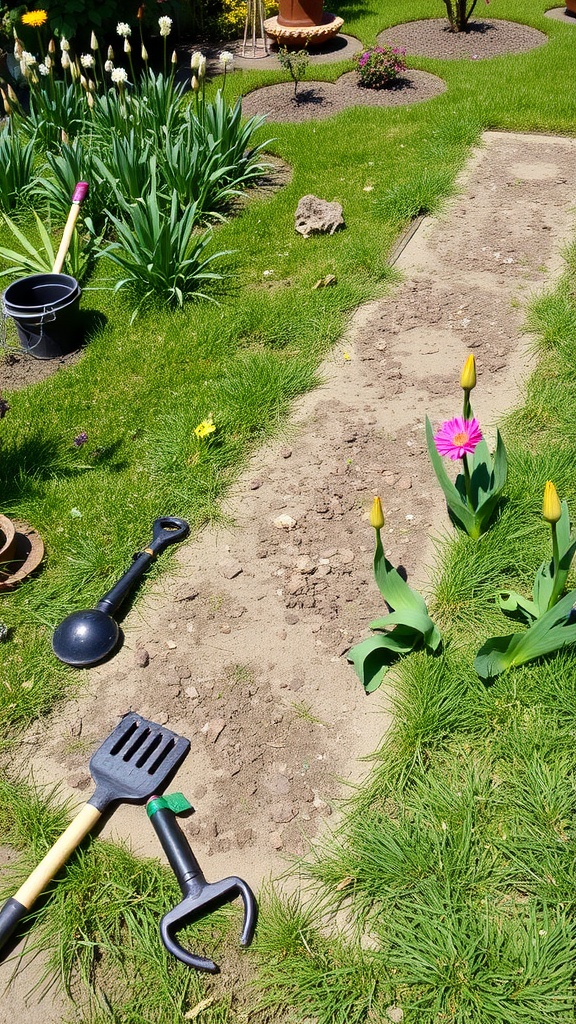
When you’re planning your cut flower garden, location is key. A space that gets plenty of sunlight is essential. Flowers need at least six hours of direct sunlight to bloom beautifully. Look for an area in your yard where the sun shines bright.
The image shows a garden space ready for planting. You can see tools scattered about, indicating preparation. On one side, there are vibrant flowers already blooming, while the other side has a bare patch of earth, waiting for new seeds.
Soil quality matters, too. Make sure to check if the soil is rich and well-drained. If it’s too compact, roots won’t grow properly. You could mix in compost to enrich the soil.
Another point to think about is water access. It’s helpful if your chosen spot is near a water source. You’ll want to keep your flowers hydrated, especially during dry spells.
Lastly, consider the wind. A windy spot can damage delicate blooms. Try to find a location that’s sheltered from harsh winds.
Pruning Techniques to Encourage Blooming
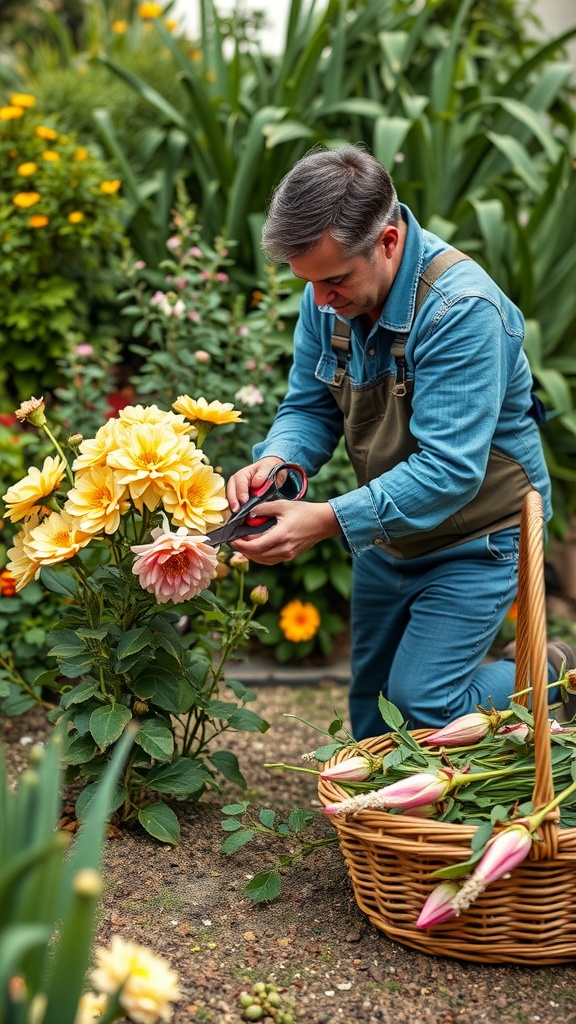
In a vibrant cut flower garden, pruning plays a key role in promoting healthy blooms. The image shows a person carefully trimming flowers to encourage new growth. This hands-on approach helps maintain the vitality of the plants.
Pruning can seem tricky, but it’s all about timing and technique. Start by using sharp, clean tools to make precise cuts. This minimizes damage to the plant and helps prevent disease. Focus on removing dead or wilting flowers, as well as any stems that appear weak.
Another great tip is to prune after flowering. This encourages the plant to direct its energy towards new blooms instead of seed production. Remember, it’s not just about cutting; it’s about guiding the plant to flourish.
Don’t forget to step back and admire your work. A well-pruned flower garden not only looks good, but it also boosts the health and longevity of your flowers. Enjoy the process, and happy gardening!
Essential Watering Practices for Cut Flowers
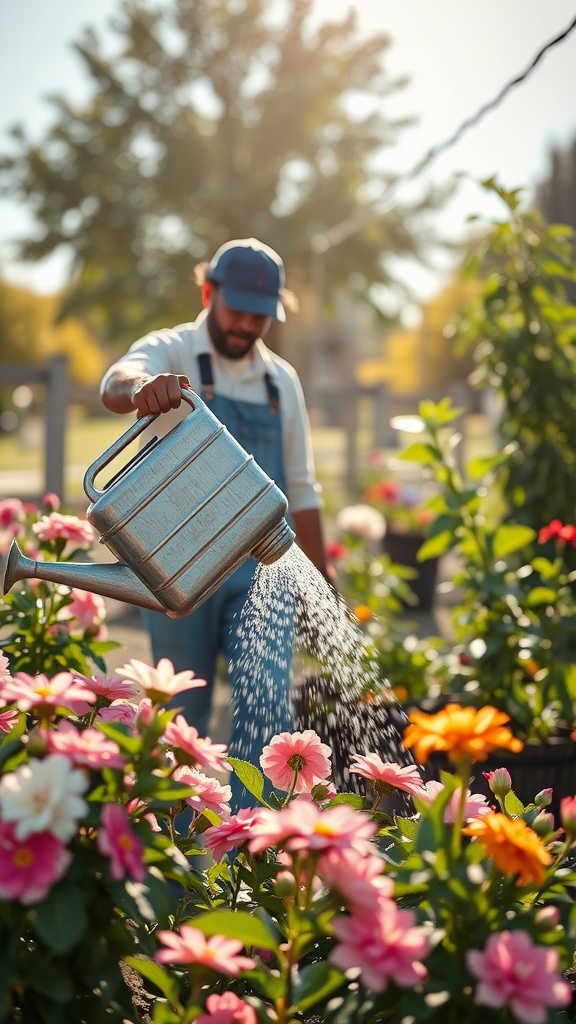
Keeping a cut flower garden thriving starts with proper watering. The image captures a person watering vibrant flowers with a metal watering can under a warm sun. It’s a simple yet crucial task that lays the foundation for healthy blooms.
When watering, aim to moisten the soil rather than soaking it completely. This promotes root growth and prevents overwatering. The flowers in the picture seem to be in excellent shape, highlighting the importance of consistent care.
Timing matters too. Watering in the early morning or late afternoon helps reduce evaporation and ensures that the flowers get the moisture they need. Notice how the sunlight creates a soft glow, making it a lovely time to tend to your plants.
Using the right tools makes a difference. A watering can, like the one in the image, allows for gentle watering, helping to avoid disturbing the soil too much. Keeping an eye on the soil’s moisture level is key. A quick touch can tell you if it’s time to water.
Lastly, be mindful of the type of flowers you are growing. Some may require more water than others. Each flower can thrive with its own unique care, so knowing your plants can lead to a successful cut flower garden.
Dealing with Common Flower Garden Pests
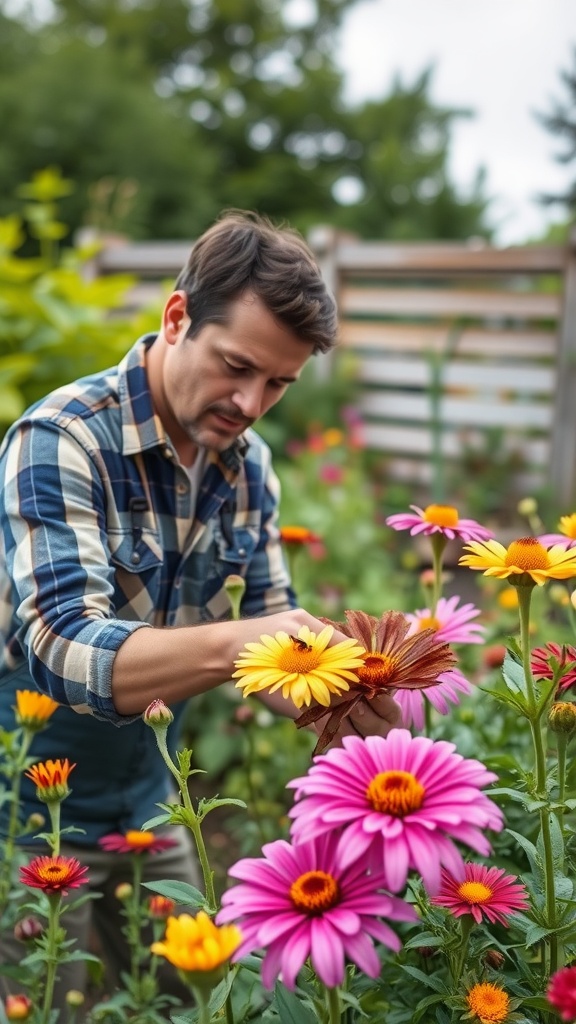
Maintaining a cut flower garden can be a joy, but it often comes with challenges, especially when it comes to pests. The image shows a person carefully tending to vibrant flowers, likely preparing to cut some for a beautiful bouquet. This hands-on approach is crucial, not just for harvesting, but for keeping an eye on potential pests.
Common pests can include aphids, slugs, and spider mites. These little invaders can cause significant damage if not addressed promptly. Regularly checking your plants, like the gardener in the photo, helps catch these issues early.
To combat pests, consider natural methods first. Introducing beneficial insects like ladybugs can keep aphid numbers down. You can also use neem oil or insecticidal soap for a safe and effective solution.
Moreover, maintaining healthy soil and watering correctly helps your flowers thrive and resist pests better. A thriving garden is less attractive to harmful insects. Remember, a little effort goes a long way in ensuring your cut flower garden remains beautiful and bountiful!
Attracting Pollinators to Your Flower Garden
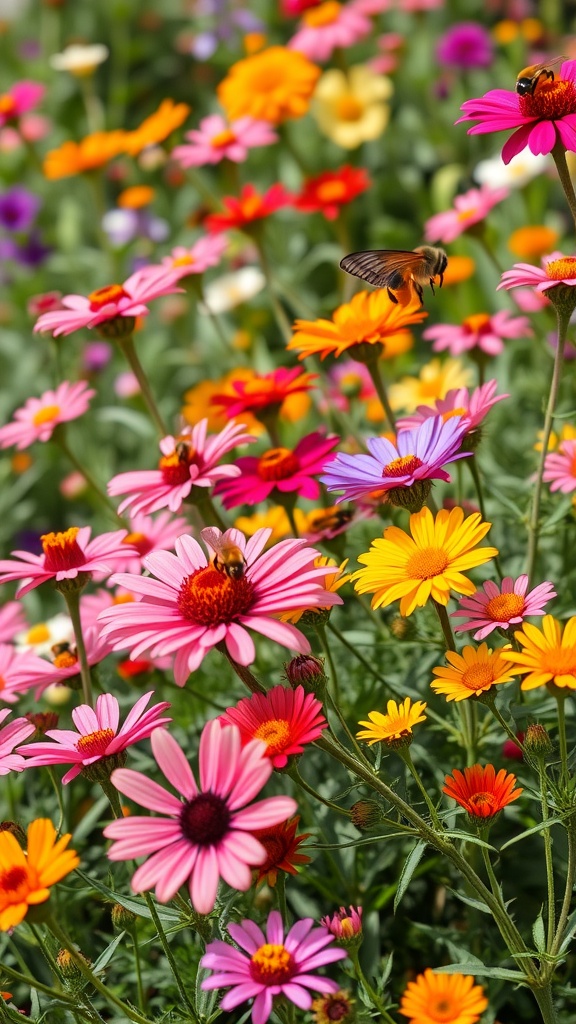
Creating a cut flower garden is not just about beauty; it’s also about supporting local wildlife. Flowers like the ones in the image are vibrant and inviting, making them perfect spots for pollinators.
To attract bees and butterflies, choose flowers that bloom throughout the growing season. Bright colors, like pinks, yellows, and purples, naturally draw these insects in. The flowers shown here are excellent choices. They provide nectar and pollen, which pollinators need.
Place your flowers in sunny areas, as most pollinators prefer warm spots. Avoid using pesticides, which can harm these helpful creatures. Instead, consider natural pest control methods. By creating a welcoming environment, you can turn your garden into a bustling habitat for bees and butterflies.
Don’t forget to add a water source, like a shallow dish with stones. Bees need hydration too! These simple steps will ensure that your cut flower garden thrives, not just for you but for the pollinators that play a crucial role in our ecosystem.
Seasonal Maintenance Tasks for a Thriving Garden
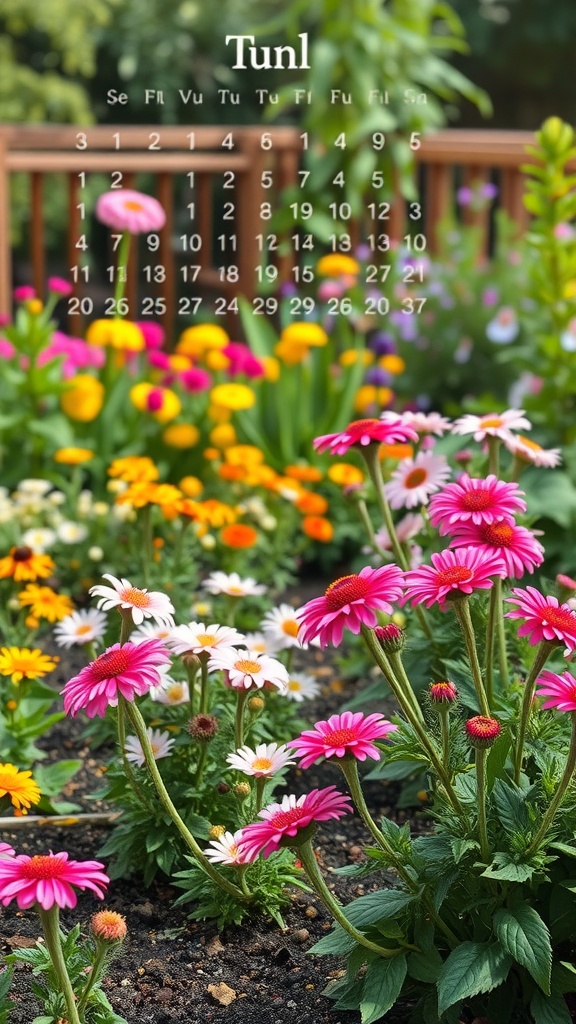
A cut flower garden is a vibrant space filled with blooms that can brighten up your home or special occasions. In this image, you can see a beautiful display of colorful flowers, including pink and white daisies, surrounded by a variety of other seasonal blooms. The care you give to your garden during each season is key to keeping it flourishing.
In spring, it’s time to prepare the soil. Clear away any debris and apply fresh compost. This ensures your flowers have the nutrients they need to grow strong. Regular watering is also important, especially as the temperatures rise.
As summer arrives, deadheading becomes essential. This practice involves removing spent blooms to encourage new growth. Don’t forget to keep an eye on pests, as they can quickly take over if not managed. Regular checks will help keep your flowers healthy.
Come fall, it’s time to enjoy the last blooms of the season and start planning for the next. Cutting back plants and adding mulch can help protect the roots from winter’s chill. Remember, the work you do now sets the stage for a beautiful display next year!
Understanding Flower Lifespan and Care After Harvest
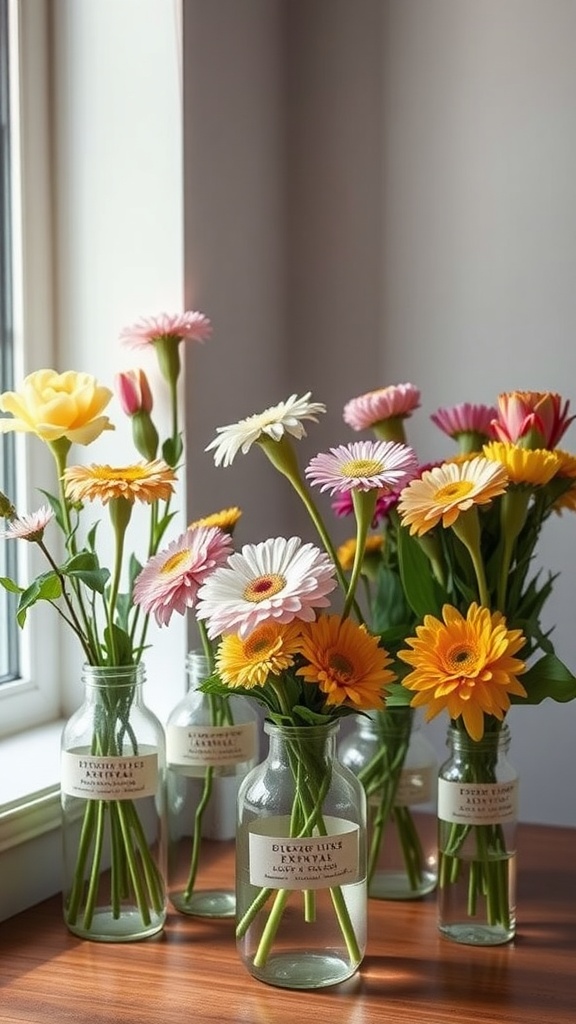
Fresh cut flowers can brighten any space, but knowing how to take care of them is key to enjoying their beauty for as long as possible. In this image, we see a lovely arrangement of colorful blooms in glass bottles. Each flower, from pink to yellow, adds a splash of happiness.
When you cut flowers from the garden, their lifespan varies. Typically, many flowers can last about five to ten days. To help extend this time, start by trimming the stems at an angle under water. This prevents air bubbles from forming in the stems, which can block water intake.
After cutting, remove any leaves that will be submerged in water to prevent rot. Place them in clean, cool water in the glass bottles shown in the image. Change the water every couple of days to keep it fresh, and add flower food if available. This little extra care can make a big difference!
Be mindful of their environment too. Keeping flowers out of direct sunlight and away from heat sources will help them thrive longer. With proper care, those cheerful flowers can brighten your home for a week or more!
Utilizing Vertical Space for Maximum Bloom Potential
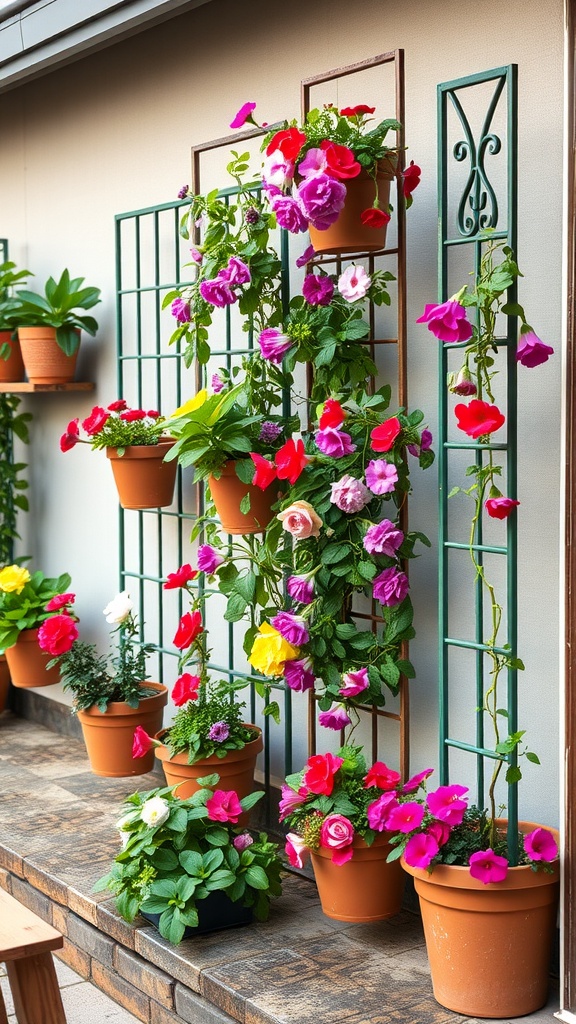
Vertical gardening is a fantastic way to make the most of your cut flower garden, especially when space is tight. In the image, we see a lovely arrangement of colorful flowers climbing up trellises and pots. This design not only maximizes bloom potential but also adds a beautiful visual appeal to any area.
By using vertical structures, such as trellises and wall-mounted planters, you can grow flowers that naturally climb. This allows for better light exposure and air circulation, which keeps plants healthy and vibrant. The flowers in the image, with their bright reds, pinks, and yellows, showcase how elevated gardening can turn a simple space into a blooming paradise.
Moreover, vertical gardening makes it easier to maintain your flowers. It’s much simpler to reach plants at eye level or even higher. You can easily prune, water, and harvest with little fuss. Consider planting a mix of perennials and annuals to keep your garden lively season after season.
Finally, don’t forget to choose pots that complement your flowers. The terracotta pots in the picture provide a warm contrast to the vibrant blooms. So, whether you have a small balcony or a spacious patio, get creative with vertical gardening and enjoy a colorful, fragrant cut flower garden!
Creating a Cut Flower Garden Theme
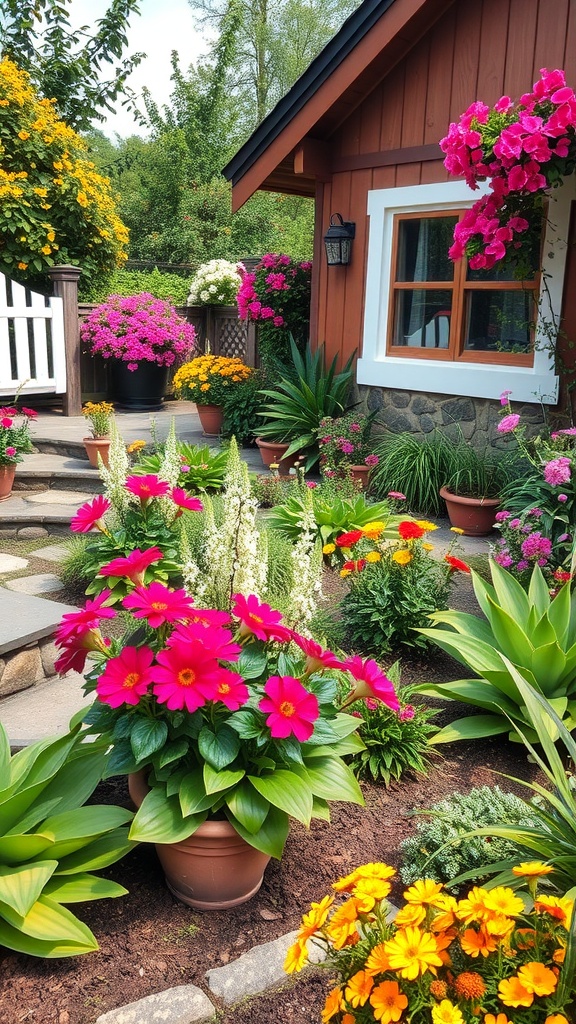
Imagine stepping into a burst of colors. A cut flower garden can be a beautiful escape right in your backyard. The image here captures a rich mix of vibrant flowers in various pots. The pink blooms stand out, offering a cheerful welcome. Their bright hues draw the eye and create a lively atmosphere.
Choosing the right flowers is key for a cut flower garden. You want varieties that bloom at different times to keep your garden lively throughout the season. Consider daisies, zinnias, and peonies. They not only add beauty but also make lovely arrangements.
Spacing is important too. Placing flowers in clusters can create a stunning effect. The pots in the image show how grouping can enhance the overall look. Don’t forget about foliage! Green leaves give structure and contrast to your colorful blooms.
Maintenance is a part of the fun. Regular watering and deadheading will keep your flowers fresh. Plus, it’s a great way to enjoy your garden. Creating a cut flower garden allows you to bring a piece of nature indoors. With a little planning, you can have a spot that blooms with joy!
Incorporating Foliage for Texture and Depth
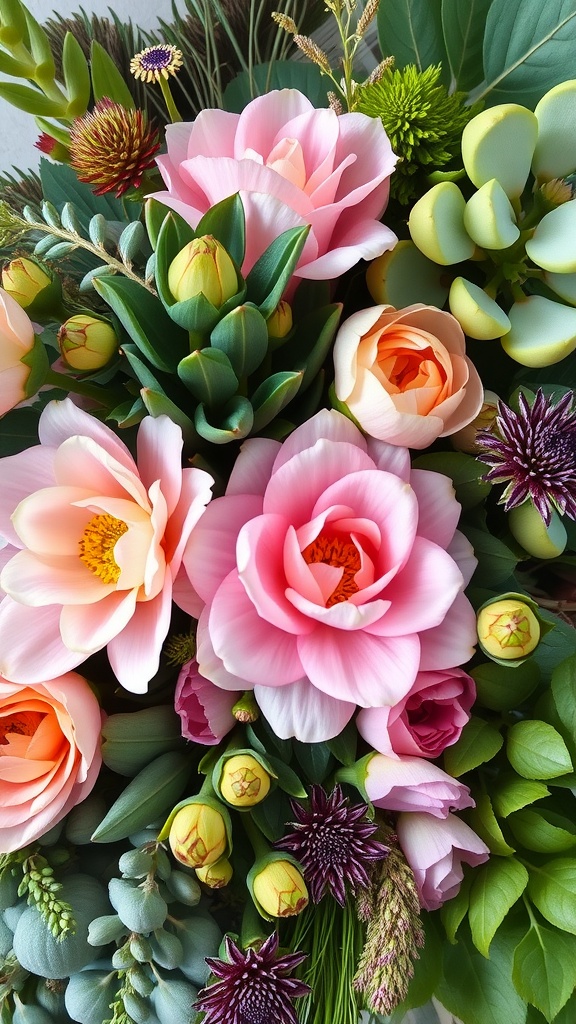
A cut flower garden is a delightful way to bring color and life into your space. The arrangement shown in the image beautifully showcases a variety of flowers and foliage, creating a rich visual experience. The combination of pink and peach blooms, along with vibrant greens, makes it a feast for the eyes.
Incorporating different types of foliage is key to achieving depth in your arrangements. The lush leaves and unique textures add dimension and interest. For example, the mix of succulent leaves and feathery grasses in the image complements the flowers perfectly.
Using foliage not only enhances the overall look but also provides a backdrop that lets the flowers shine. It creates a natural look that is both inviting and refreshing. So, when you’re planning your cut flower garden, don’t forget to include a variety of leaves to create that beautiful, layered effect!