
Flower bed edging is a fantastic way to define your garden spaces and add a polished touch to your landscape. It helps keep your plants tidy and contained while enhancing the visual appeal of your yard. From simple stone borders to decorative wooden edges, the right edging can really make your flowers pop and give your garden that extra flair.
Brick Edging for a Timeless Garden
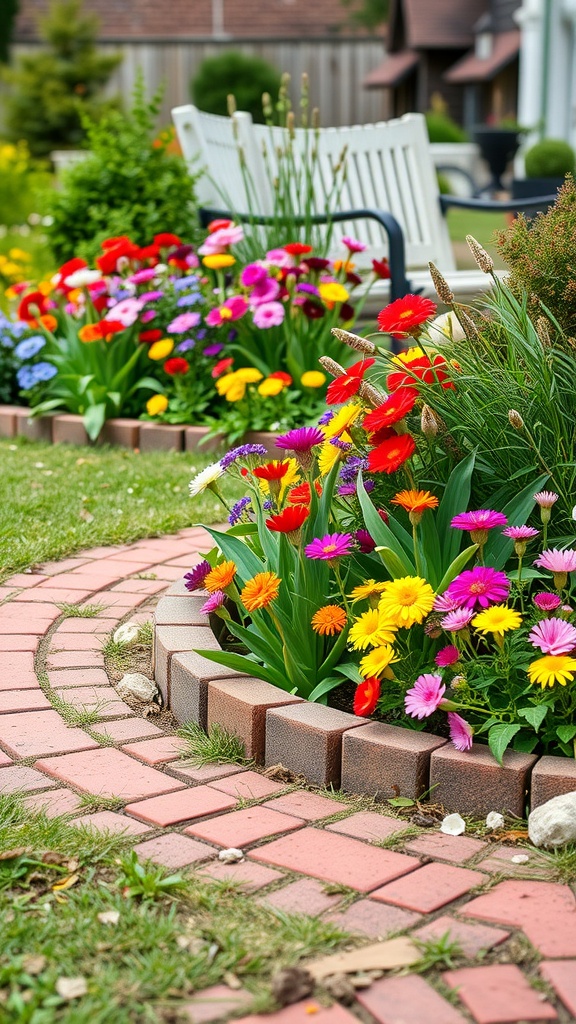
Brick edging adds a classic touch to any garden. The image shows a beautiful flower bed bordered by neat rows of bricks. This design not only looks great but also helps define the space. The vibrant flowers, with their mix of colors, pop against the earthy tones of the bricks.
Using bricks for edging is practical too. They keep soil in place and prevent grass from creeping into your flower beds. The curved shape of the bricks in the image creates a soft, inviting pathway. This gentle curve draws the eye and adds a sense of flow to the garden.
Another benefit of brick edging is its durability. Unlike wood, bricks won’t rot or warp over time. They can withstand the elements, making them a smart choice for long-lasting garden design. Plus, they come in various colors and styles, allowing you to customize your garden’s look.
So, if you’re looking to enhance your garden, consider brick edging. It’s a simple way to achieve a polished and timeless appearance that will impress anyone who visits.
Curved Edging for a Soft Aesthetic
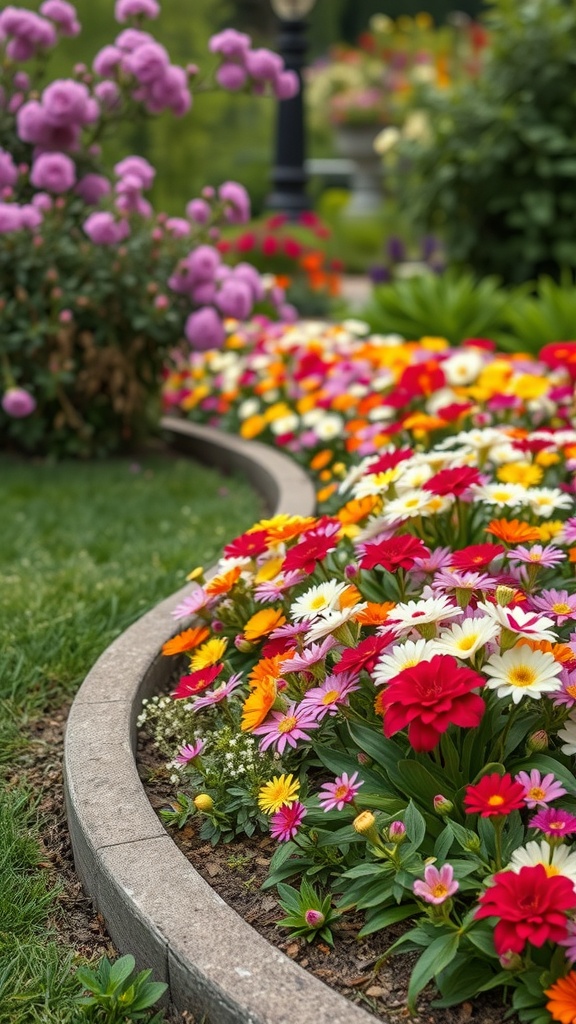
Curved edging adds a gentle touch to any flower bed. It creates a flowing line that draws the eye and softens the overall look of the garden. In the image, the rounded stone border beautifully complements the vibrant flowers, enhancing their colors and shapes.
The mix of red, pink, orange, and white blooms creates a cheerful scene. The flowers seem to dance along the curve, inviting you to explore further. This design choice not only looks lovely but also helps define the space, making it clear where the flower bed begins and ends.
Using curved edging can also make maintenance easier. It allows for smoother mowing and trimming, keeping the garden looking neat without too much effort. Plus, it adds a unique character that straight lines just can’t match.
Metal Edging for Modern Gardens
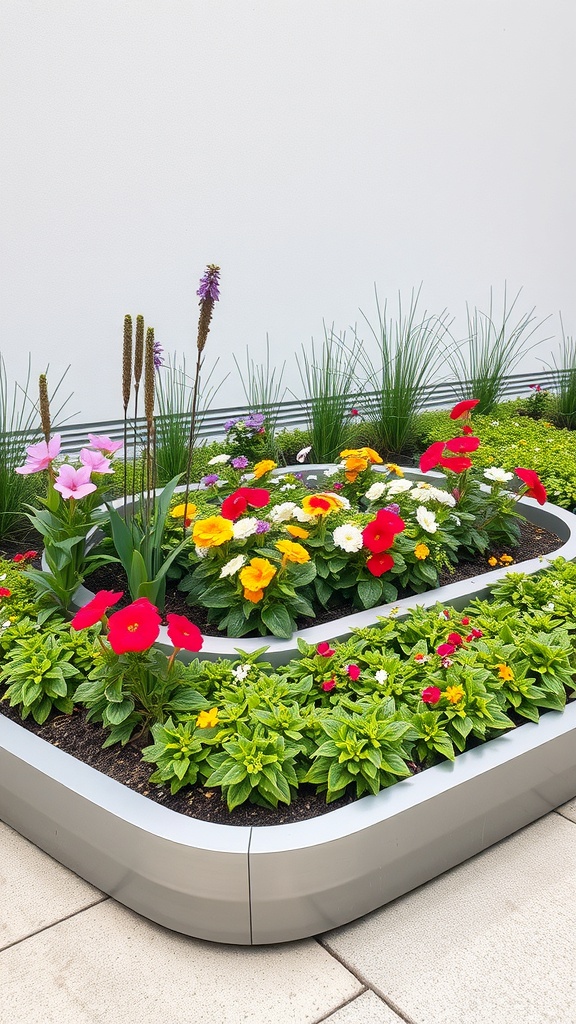
Metal edging is a stylish choice for modern gardens. It creates clean lines and a polished look. The image shows a vibrant flower bed with colorful blooms, neatly framed by sleek metal edges. This design not only enhances the beauty of the flowers but also keeps the garden tidy.
The flowers in the bed are a mix of bright reds, yellows, and pinks, adding a cheerful touch. The metal edging complements the colors, making the garden feel more organized. It’s a practical solution that prevents soil erosion and keeps grass from invading flower beds.
Using metal for edging is durable and weather-resistant. It can withstand the elements, ensuring your garden looks great year-round. Plus, it’s easy to install, making it a favorite among DIY gardeners. This modern touch can transform any outdoor space into a stunning retreat.
Glass Edging for a Unique Touch
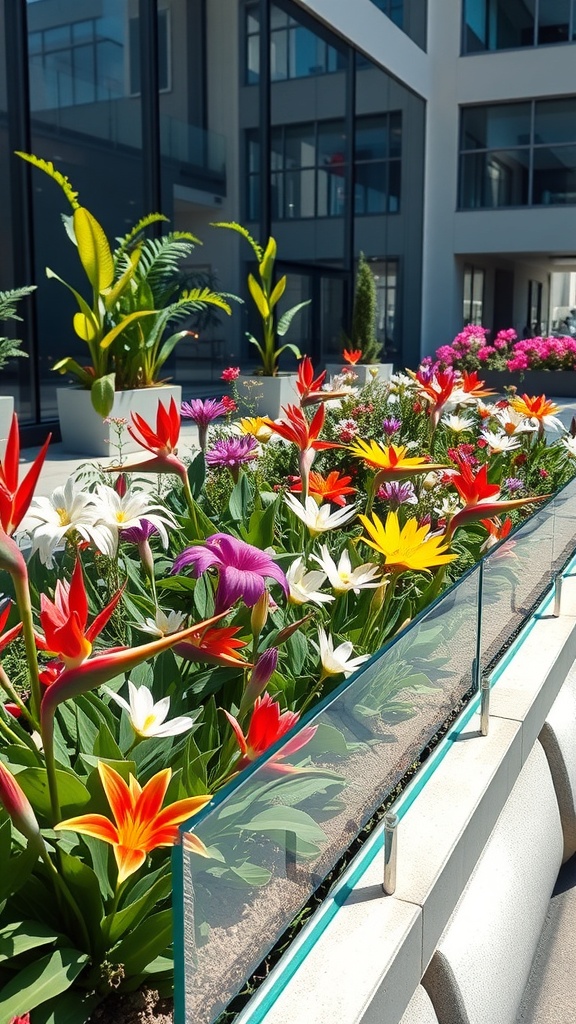
Glass edging adds a modern flair to any flower bed. The clear panels create a sleek boundary, allowing the vibrant colors of the flowers to shine through. You can see how the glass beautifully complements the lively blooms, making the garden feel open and inviting.
This type of edging not only looks great but also serves a practical purpose. It helps keep soil in place while preventing weeds from creeping in. Plus, the glass is easy to clean, ensuring your garden always looks its best.
In the image, the flowers burst with color, from bright yellows to deep reds and purples. The glass edging enhances this beauty, making the garden a focal point. It’s a perfect blend of nature and modern design, ideal for anyone looking to spruce up their outdoor space.
Natural Stone Edging for a Rustic Look
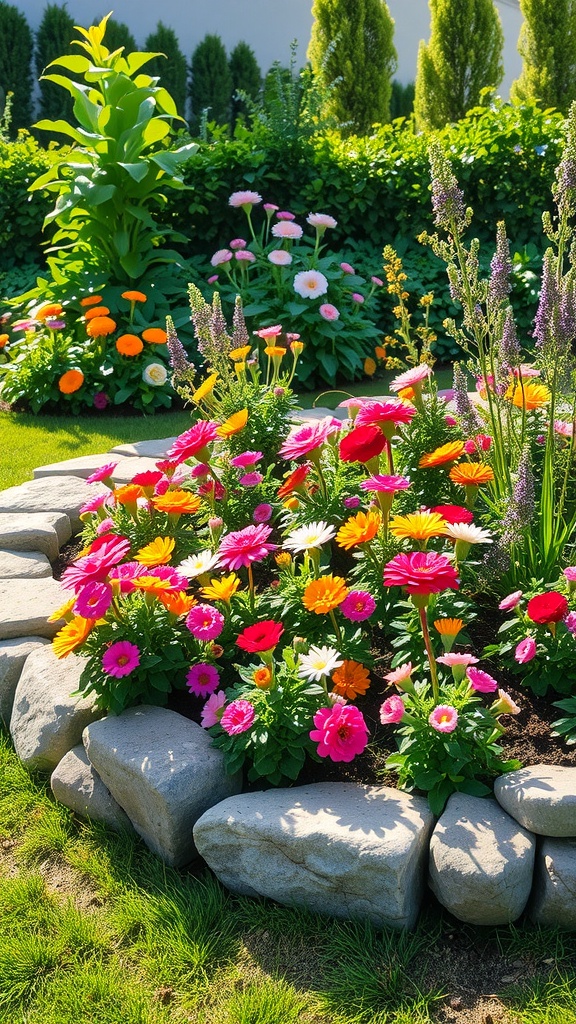
Using natural stone for flower bed edging adds a charming, rustic feel to any garden. The stones create a beautiful border that not only defines the space but also enhances the overall aesthetic. In the image, you can see a vibrant array of flowers surrounded by smooth, rounded stones. This combination brings a sense of harmony to the garden.
The colors of the flowers pop against the earthy tones of the stones. Bright pinks, yellows, and oranges draw the eye, while the natural stone provides a grounding effect. This contrast is visually appealing and invites you to explore the garden further.
Natural stone is durable and blends seamlessly with the landscape. It requires minimal maintenance, making it a practical choice for gardeners. The irregular shapes and sizes of the stones add character and uniqueness to the flower bed. Each stone tells its own story, contributing to the rustic charm.
Incorporating natural stone edging is a simple way to elevate your garden design. It not only serves a functional purpose but also enhances the beauty of your flowers. Whether you have a small patch or a larger garden, this edging technique can transform your outdoor space into a lovely retreat.
Plastic Edging: Affordable and Versatile
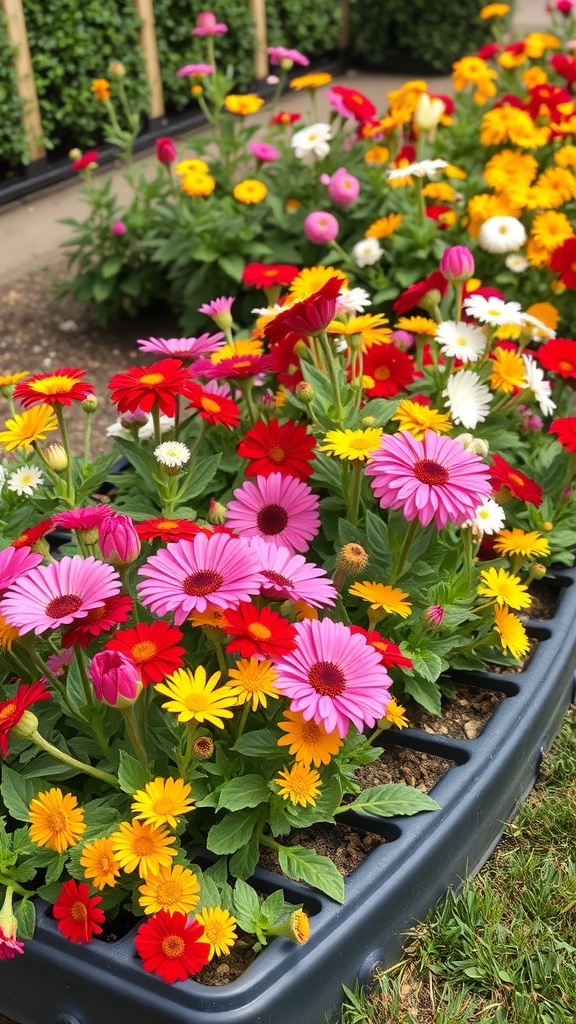
Plastic edging is a fantastic choice for anyone looking to enhance their flower beds. It’s not only budget-friendly but also incredibly versatile. The image showcases a vibrant flower bed filled with colorful blooms, all neatly contained by plastic edging. This edging helps to define the space, keeping the flowers looking tidy and organized.
One of the great things about plastic edging is its ease of installation. You can quickly set it up without needing special tools or skills. Just dig a small trench, lay the edging, and secure it in place. This simple process allows you to create beautiful borders around your flower beds in no time.
Another benefit is the variety of styles and colors available. Whether you prefer a sleek, modern look or something more traditional, there’s an option for everyone. The plastic material is also durable and weather-resistant, ensuring that your flower bed remains attractive season after season.
In the image, the bright colors of the flowers pop against the dark edging, creating a striking contrast. This not only enhances the visual appeal but also helps to keep mulch and soil contained, reducing maintenance efforts. If you’re looking to spruce up your garden, plastic edging is a smart, stylish choice!
Recycled Materials for Eco-Friendly Edging
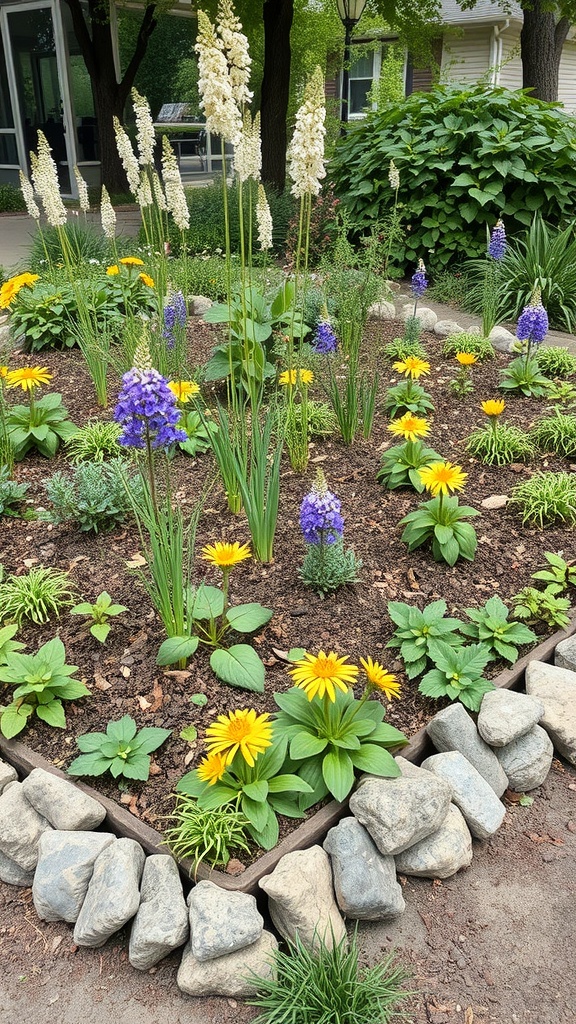
Using recycled materials for flower bed edging is a smart way to enhance your garden while being kind to the planet. In the image, you can see a beautiful flower bed surrounded by stones, which serve as an effective and attractive border.
Stones are a fantastic choice for edging. They not only look great but also help keep soil in place and prevent weeds from creeping in. You can often find these stones at local construction sites or even in your own backyard. Using what you have reduces waste and saves money.
Another option is reclaimed wood. Old pallets or discarded timber can be transformed into rustic borders. They add a natural charm to your garden and can be cut to fit any shape you desire.
Plastic bottles and cans can also be repurposed. Burying them partially in the ground creates a unique look while keeping your plants safe. This method is not only eco-friendly but also encourages creativity in your gardening.
Overall, using recycled materials for edging is a fun and sustainable way to beautify your flower beds. It allows you to express your style while contributing to a healthier environment.
Wooden Borders for a Classic Appeal
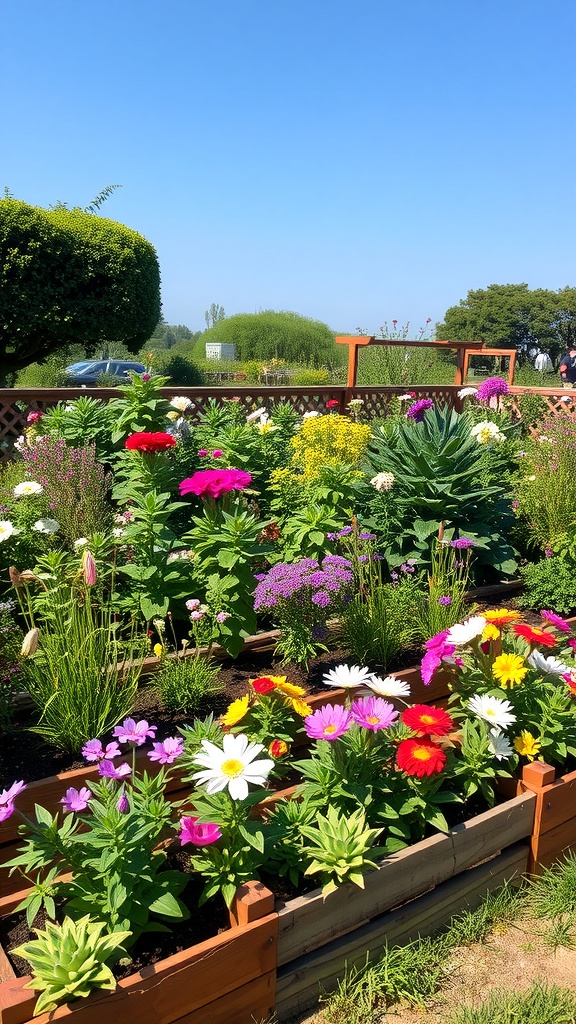
Wooden borders bring a timeless charm to any flower bed. They create a clear separation between the garden and the surrounding area, making your flowers pop. The natural look of wood blends beautifully with the vibrant colors of the flowers.
In the image, you can see a lovely flower bed surrounded by wooden edging. The flowers are bursting with color, showcasing a mix of pinks, yellows, and whites. This combination not only enhances the beauty of the flowers but also adds structure to the garden.
Wooden borders are practical too. They help keep soil in place and can prevent weeds from creeping into your flower beds. Plus, they’re easy to install and can be customized to fit any garden shape.
Whether you choose a rustic look or a more polished finish, wooden borders can elevate your garden’s overall appeal. They invite you to enjoy the beauty of nature while keeping everything neatly organized.
Raised Edging for Enhanced Visibility
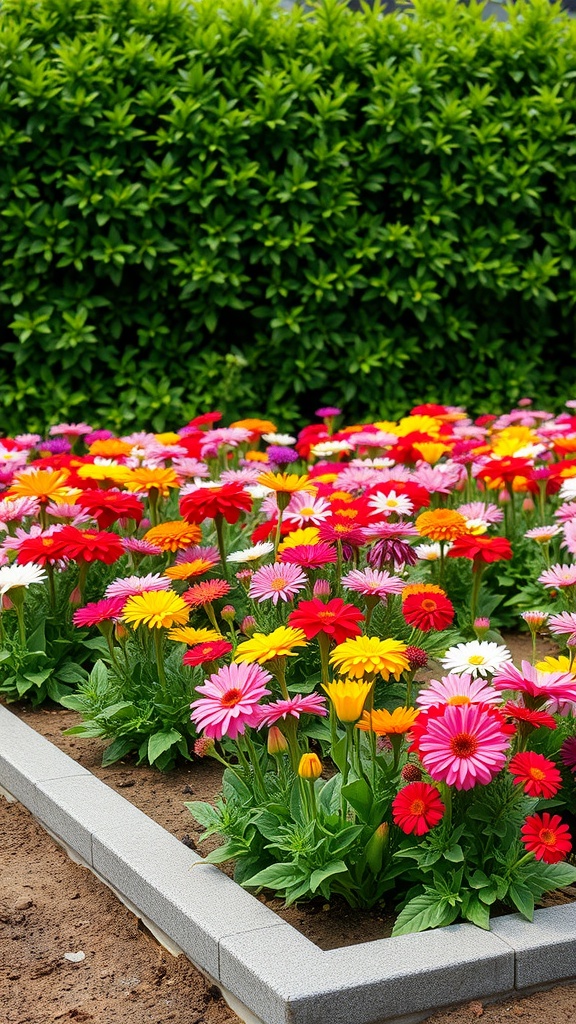
Raised edging is a fantastic way to define your flower beds. It not only adds structure but also makes your garden pop. The image shows a vibrant display of flowers, bordered neatly by a stone edge. This clear boundary helps the colorful blooms stand out.
The bright reds, yellows, and pinks of the flowers create a cheerful scene. The raised edging serves a practical purpose too. It keeps soil in place and prevents grass from creeping into your flower bed. This means less maintenance for you!
Moreover, the contrast between the flowers and the stone edging enhances visibility. It draws the eye to the beauty of the blooms. A well-defined edge can make your garden look polished and inviting. So, if you’re looking to add some charm to your outdoor space, consider raised edging!
Incorporating Edging with Pathways
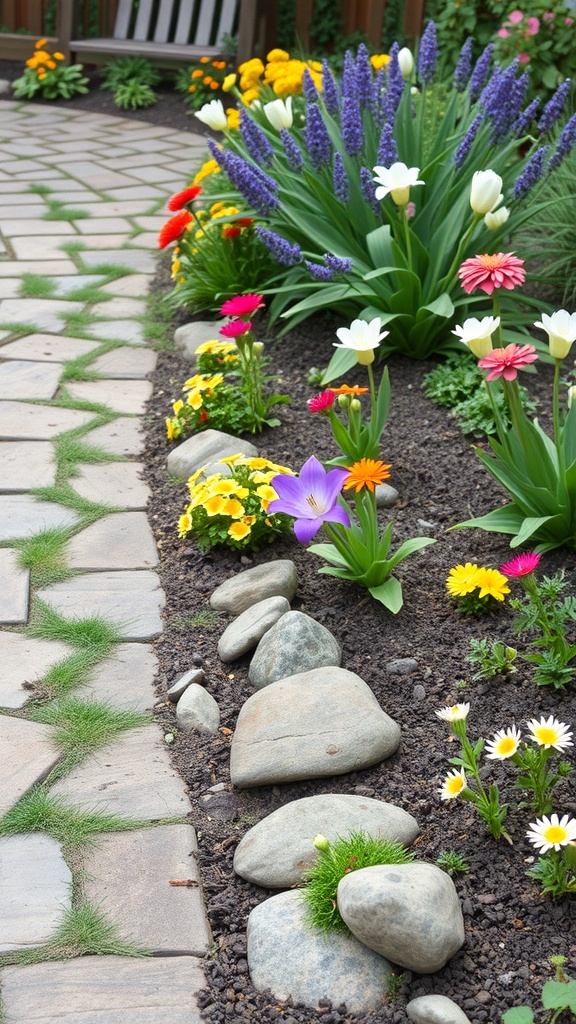
Creating a beautiful garden involves thoughtful design choices, especially when it comes to pathways and flower bed edging. The image shows a charming pathway made of stone, bordered by vibrant flowers and smooth pebbles. This combination not only enhances the visual appeal but also serves practical purposes.
Edging helps define the space, keeping soil and mulch in place while preventing grass from creeping into flower beds. The colorful blooms, like tulips and daisies, add a lively touch, making the garden inviting. The stones along the edge provide a natural look, blending seamlessly with the flowers.
When designing your garden, consider how the pathway flows with the flower beds. A winding path can create a sense of exploration, encouraging visitors to stroll and enjoy the scenery. The mix of textures from the stones and plants adds depth, making the garden feel more dynamic.
Integrating Lighting with Flower Bed Edging
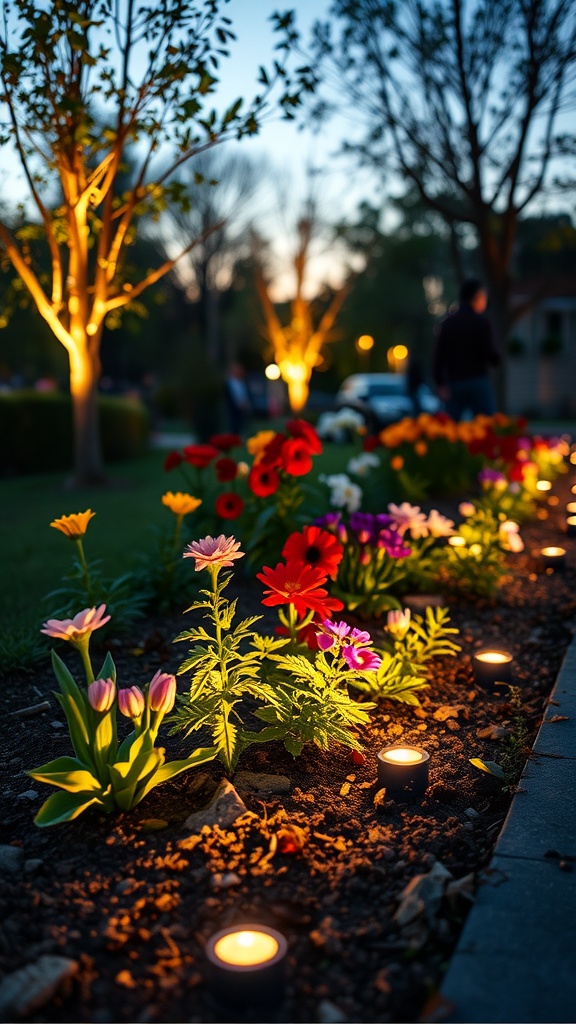
Picture a flower bed glowing softly as the sun sets. The image shows a vibrant array of flowers, including pink tulips and bright red daisies, surrounded by gentle lights. These lights not only highlight the beauty of the flowers but also create a welcoming atmosphere.
Using lighting in your flower bed can enhance its appeal. The lights guide the eye along the edges, making the garden feel more inviting. They can also help showcase different colors and textures of the plants, especially at dusk.
When choosing lights, consider options like solar-powered stakes or low-voltage fixtures. These are easy to install and can blend seamlessly with your garden. The warm glow from these lights adds a cozy touch, perfect for evening gatherings or quiet nights outside.
Integrating lighting with flower bed edging is a simple way to elevate your garden. It not only beautifies the space but also makes it functional, allowing you to enjoy your outdoor area even after the sun goes down.
Edging with Decorative Fencing
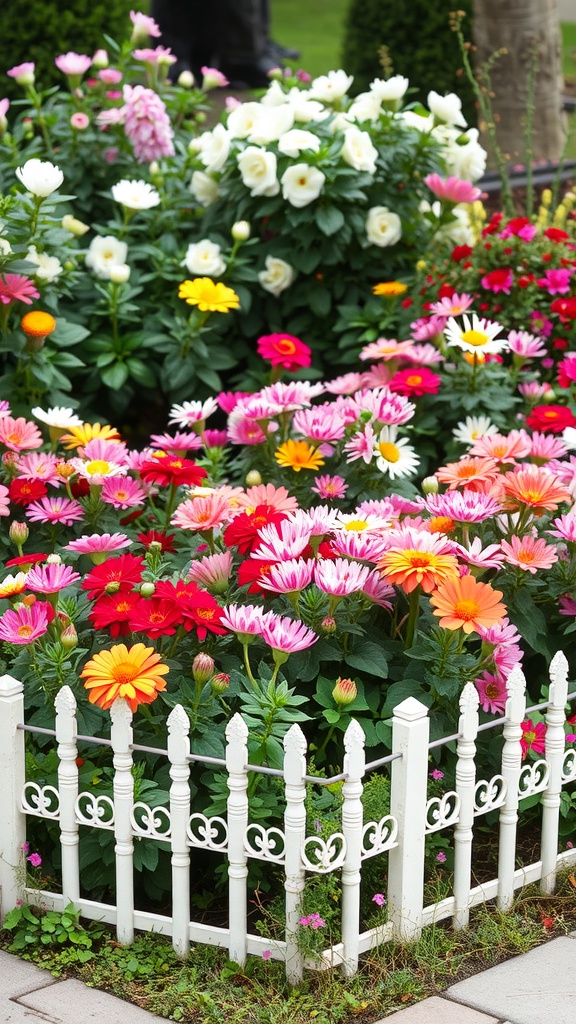
Decorative fencing can really make a flower bed pop. The image shows a vibrant array of flowers, surrounded by a charming white fence. This type of edging not only defines the space but also adds a touch of style.
The flowers in various colors create a lively scene. The white fence contrasts beautifully with the bright blooms, making the whole area feel inviting. It’s a simple way to enhance your garden without overwhelming it.
Using decorative fencing is practical too. It keeps the flowers contained and can help protect them from foot traffic. Plus, it adds a neat finish to your garden. Whether you choose a classic design or something more modern, it can complement your flower bed perfectly.
Seasonal Edging: Changing with the Blooms
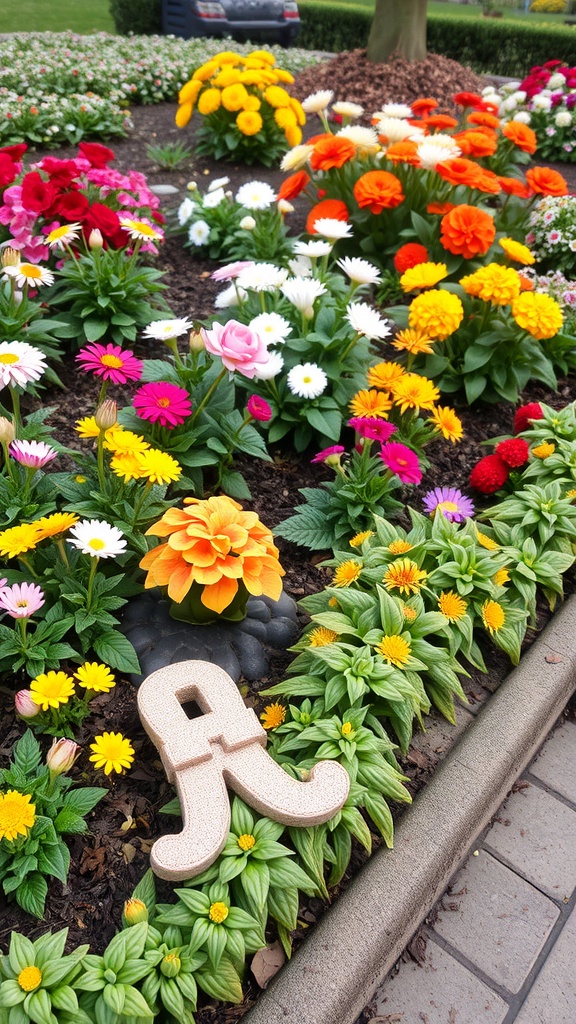
Flower bed edging can truly transform your garden space, adding a neat and tidy look. In the image, vibrant blooms burst forth in a riot of colors, showcasing the beauty of seasonal flowers. The arrangement features cheerful yellows, pinks, and whites, creating a lively atmosphere.
As the seasons change, so do the flowers. This flower bed is a perfect example of how you can switch out blooms to keep your garden looking fresh. In spring, you might choose tulips and daffodils, while summer could bring sunflowers and zinnias. Each season offers its own palette, allowing for creativity in your garden design.
The edging itself plays a key role. It not only defines the space but also complements the flowers. Here, the soft curves of the edging contrast beautifully with the bold colors of the flowers. This balance makes the garden inviting and visually appealing.
When planning your flower bed, think about how the colors and shapes will work together. Seasonal changes can inspire you to mix and match different flowers, creating a dynamic display. With the right edging, your garden can be a stunning focal point throughout the year.
Creating Patterns with Edging Materials
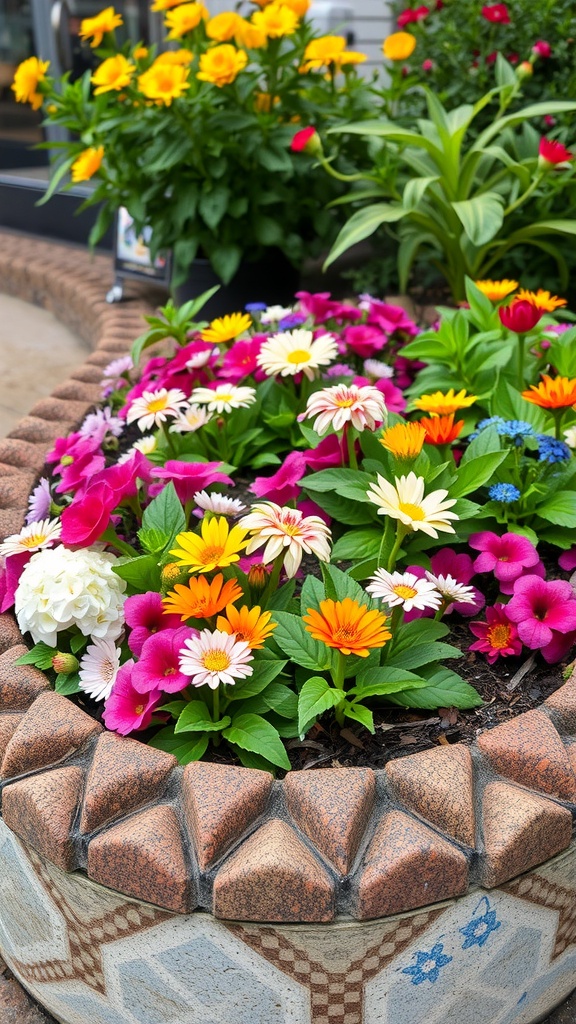
Flower bed edging can really bring a garden to life. In the image, you see a vibrant arrangement of flowers surrounded by a decorative stone border. This not only defines the space but also adds a touch of style.
The colorful blooms, including daisies and petunias, create a cheerful atmosphere. The edging material, with its unique shape and texture, complements the flowers beautifully. It helps to keep the soil in place while giving the garden a polished look.
Using different materials for edging can create interesting patterns. For instance, you could mix stones with wood or bricks to add variety. This can make your flower bed stand out even more, enhancing the overall design of your outdoor space.
When planning your flower bed, think about how the edging will interact with the plants. A well-chosen border can highlight the colors and shapes of your flowers, making your garden a true visual delight.
Edging as a Pest Control Strategy
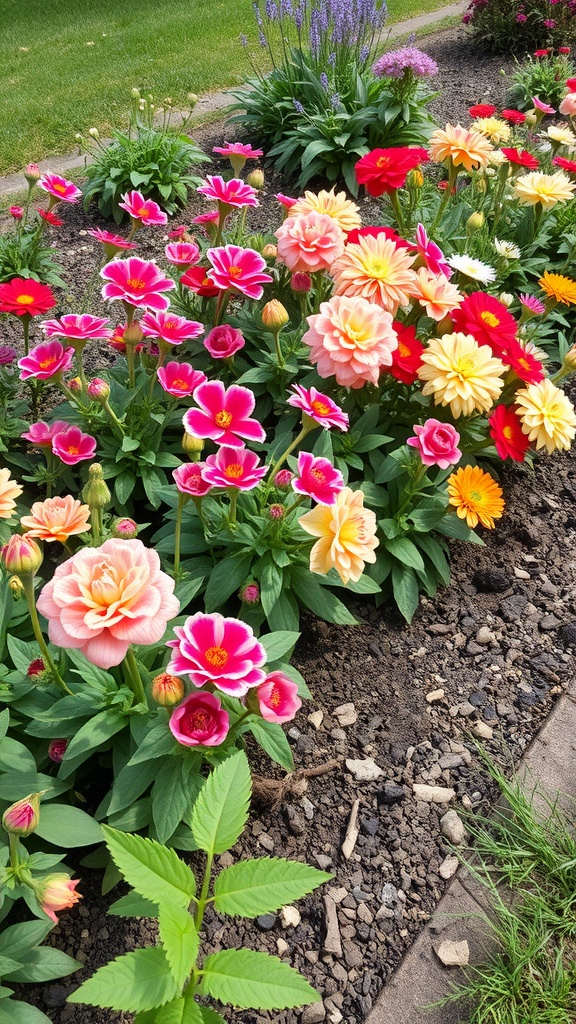
Creating a beautiful flower bed is not just about choosing the right plants; it’s also about how you maintain them. The image shows a vibrant flower bed filled with colorful blooms, neatly bordered by edging. This not only enhances the visual appeal but also serves a practical purpose.
Edging can act as a barrier against pests. By defining the flower bed’s boundaries, you can keep unwanted critters at bay. This is especially useful for flowers that are prone to damage from insects or small animals. The physical separation helps to protect your plants while adding a tidy look to your garden.
Moreover, a well-edged flower bed can prevent weeds from invading your space. Weeds compete with your flowers for nutrients and water. By using edging materials, you can limit their growth and keep your flower bed healthy. This means less time spent weeding and more time enjoying your beautiful blooms.
Incorporating edging into your gardening routine is a simple yet effective strategy. It not only beautifies your garden but also supports the health of your plants. So, next time you plan your flower bed, think about how edging can help you maintain a pest-free and thriving garden.