
Wild flower meadows are nature’s colorful carpets, bursting with life and beauty. They provide a lively habitat for countless insects, birds, and small animals, creating a unique ecosystem. These meadows bring charm and a splash of color to any landscape, making them perfect spots for relaxation and appreciation of the great outdoors.
Wildflower Meadows in Art and Literature
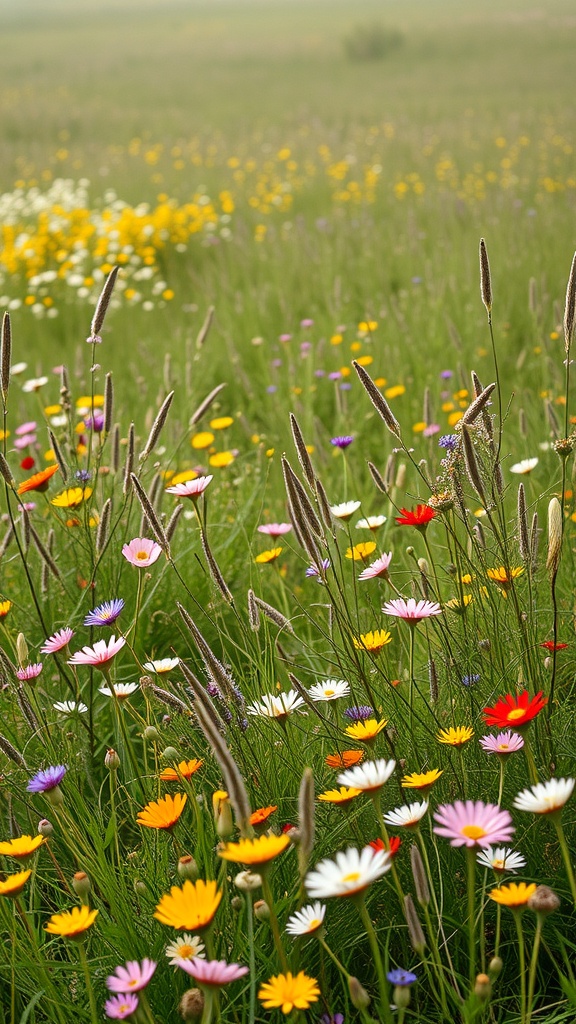
Wildflower meadows have a special place in art and literature. They capture the beauty and simplicity of nature, often symbolizing freedom and peace. Artists and writers find inspiration in their vibrant colors and delicate forms.
In paintings, wildflower meadows burst with life. The mix of colors creates a joyful scene, inviting viewers to step into a world of tranquility. Many famous artists have depicted these meadows, showcasing their charm and allure.
Literature also celebrates wildflower meadows. Poets often use them as a backdrop for themes of love and nature. The imagery of flowers swaying in the breeze evokes feelings of nostalgia and happiness. Writers paint vivid pictures with words, allowing readers to imagine themselves in these serene spaces.
Overall, wildflower meadows serve as a reminder of nature’s beauty. They inspire creativity and encourage us to appreciate the simple joys in life.
Wildflower Meadows and Biodiversity
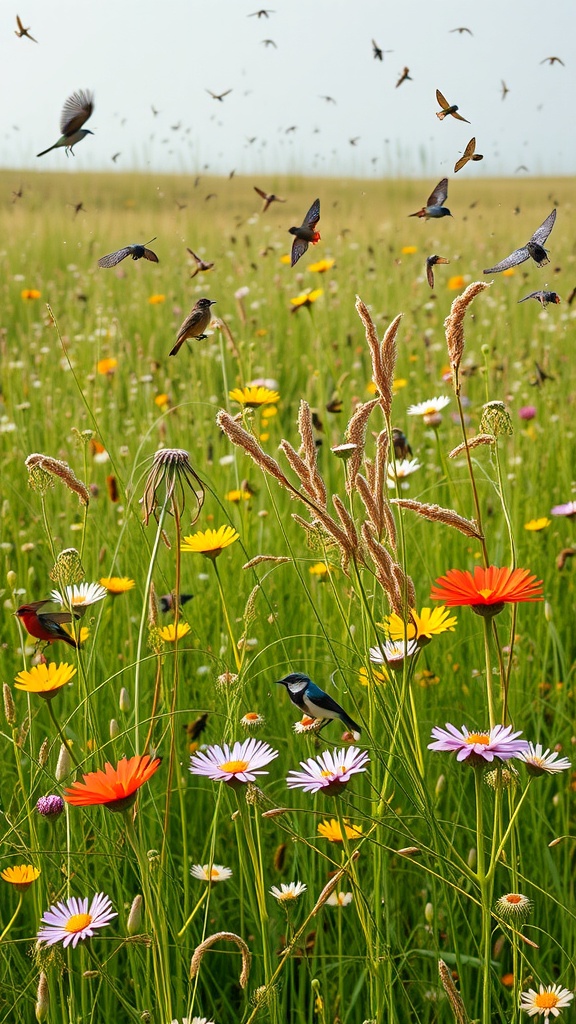
Wildflower meadows are a burst of color and life. They are filled with various flowers that attract many creatures. In this image, you can see a lively scene with bright flowers and birds fluttering around. This mix creates a vibrant ecosystem.
These meadows play a key role in supporting biodiversity. The flowers provide food and shelter for insects, birds, and other wildlife. Each species contributes to the health of the meadow. Pollinators like bees and butterflies thrive in these environments, helping plants reproduce.
Birds, like those seen in the picture, find a home among the flowers. They help control insect populations and spread seeds, which promotes new growth. This cycle of life is essential for maintaining a balanced ecosystem.
Wildflower meadows also offer a beautiful space for people to enjoy nature. Walking through a meadow can be a peaceful experience. It allows us to connect with the environment and appreciate its beauty. Protecting these areas is vital for our planet’s health.
Seasonal Changes in Wildflower Meadows
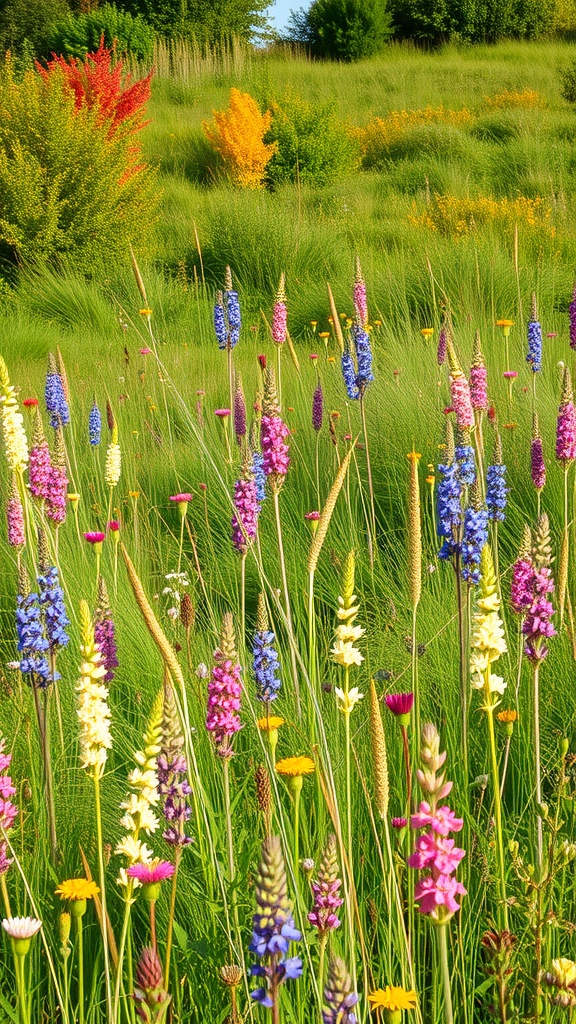
Wildflower meadows are a stunning display of nature’s beauty, especially when the seasons change. In spring, the meadow bursts into life with vibrant colors. Flowers bloom in a variety of shades, creating a lively scene. The air is filled with the sweet scent of blossoms, inviting bees and butterflies to join the party.
As summer rolls in, the meadow becomes a lush paradise. Tall grasses sway gently in the breeze, and the flowers reach their peak. This is the time when wildflowers showcase their full glory. The mix of colors, from bright yellows to deep purples, creates a breathtaking view.
When autumn arrives, the scene transforms once again. The flowers begin to fade, but the foliage takes center stage. Trees and shrubs turn shades of red, orange, and gold, adding a warm glow to the landscape. The wildflower meadow, once vibrant with blooms, now offers a different kind of beauty.
Winter brings a quiet stillness. The meadow may be covered in snow, but the promise of spring is always there, waiting to return. Each season tells its own story, making wildflower meadows a year-round treasure.
Creating a Wildflower Meadow at Home
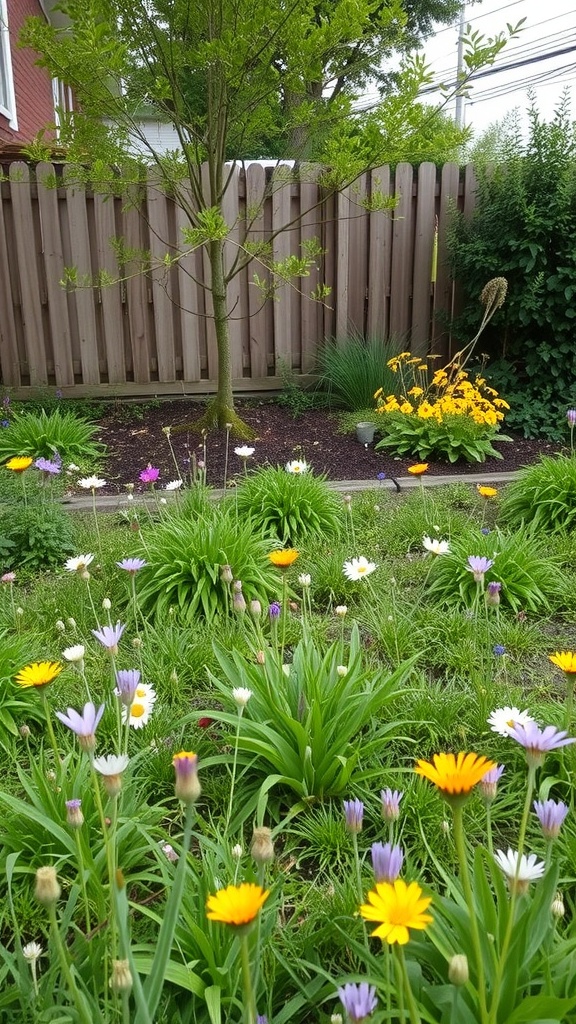
Creating a wildflower meadow in your yard can bring a burst of color and life to your outdoor space. Imagine stepping outside and being greeted by a vibrant display of flowers swaying in the breeze. This image captures that essence perfectly, showcasing a lovely mix of wildflowers in full bloom.
To start your own wildflower meadow, choose a sunny spot in your yard. Wildflowers thrive in sunlight, so pick a location that gets plenty of it. Clear the area of weeds and grass to give your flowers a fighting chance. You can either buy wildflower seeds or collect them from local plants.
Mix the seeds with some sand to help distribute them evenly when you scatter them. This method prevents clumping and ensures a more natural look. Water the area lightly after planting, and keep the soil moist until the seeds germinate. Once established, wildflowers are quite hardy and require little maintenance.
As your meadow grows, you’ll attract butterflies, bees, and other pollinators, adding even more life to your garden. Plus, a wildflower meadow can be a beautiful and eco-friendly addition to your home, providing a habitat for local wildlife.
Importance of Pollinators in Wildflower Meadows
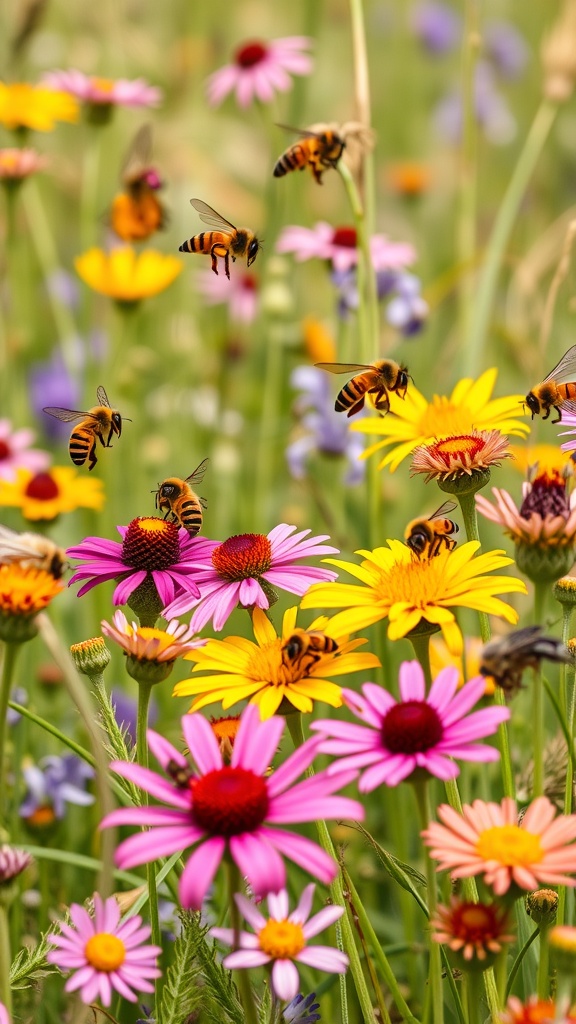
Wildflower meadows are a beautiful sight, filled with colorful blooms and buzzing life. In this vibrant setting, pollinators like bees play a key role. They flit from flower to flower, collecting nectar and spreading pollen. This activity is essential for the growth and reproduction of many plants.
Bees, butterflies, and other pollinators help create the stunning diversity we see in wildflower meadows. Without them, many flowers would struggle to produce seeds. This means fewer plants and less food for other wildlife. The relationship between flowers and pollinators is a perfect example of nature working together.
Pollinators also support local ecosystems. They help maintain healthy plant populations, which in turn provide habitats for various animals. When you see a meadow buzzing with bees, you’re witnessing a vital part of the ecosystem in action. Protecting these pollinators is crucial for the future of wildflower meadows.
Wildflower Meadows as Wildlife Habitats
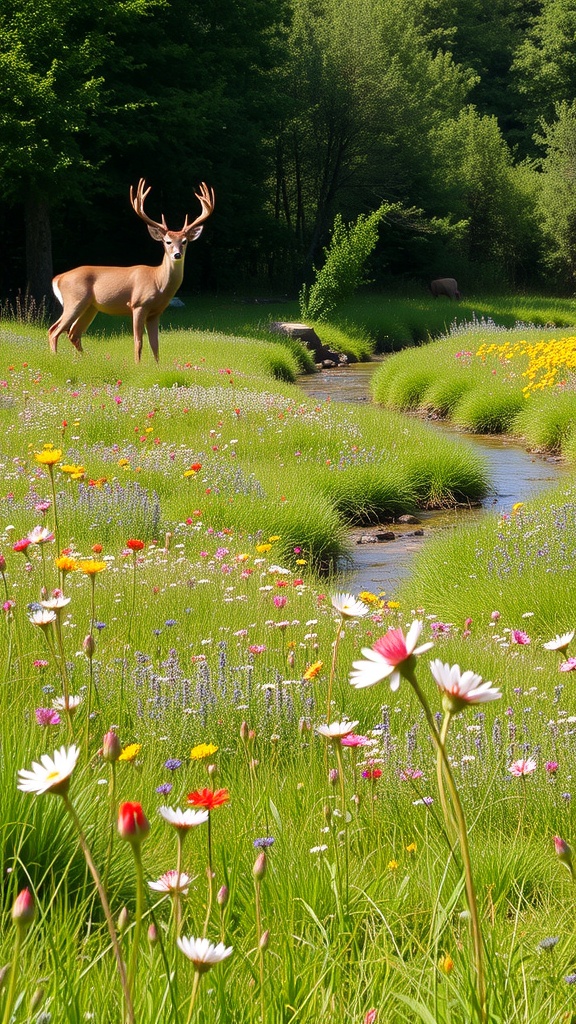
Wildflower meadows are not just pretty sights; they play a key role in supporting wildlife. The vibrant colors of blooming flowers attract various species, creating a lively ecosystem. In the image, you can see a deer standing gracefully among the flowers, highlighting how these meadows serve as a home for many animals.
The mix of flowers and grasses provides food and shelter for insects, birds, and mammals. Bees and butterflies thrive in these environments, pollinating plants and ensuring the cycle of life continues. The deer, often seen grazing, benefits from the rich vegetation, showcasing the balance of nature.
Moreover, the presence of a stream in the meadow adds another layer of habitat. Water sources are vital for wildlife, offering drinking spots and supporting aquatic life. This combination of flowers, grasses, and water creates a thriving habitat that supports a diverse range of species.
In summary, wildflower meadows are essential for wildlife. They provide food, shelter, and water, making them crucial for maintaining biodiversity. Protecting these natural spaces is important for the health of our ecosystems.
Diversity of Wildflower Species
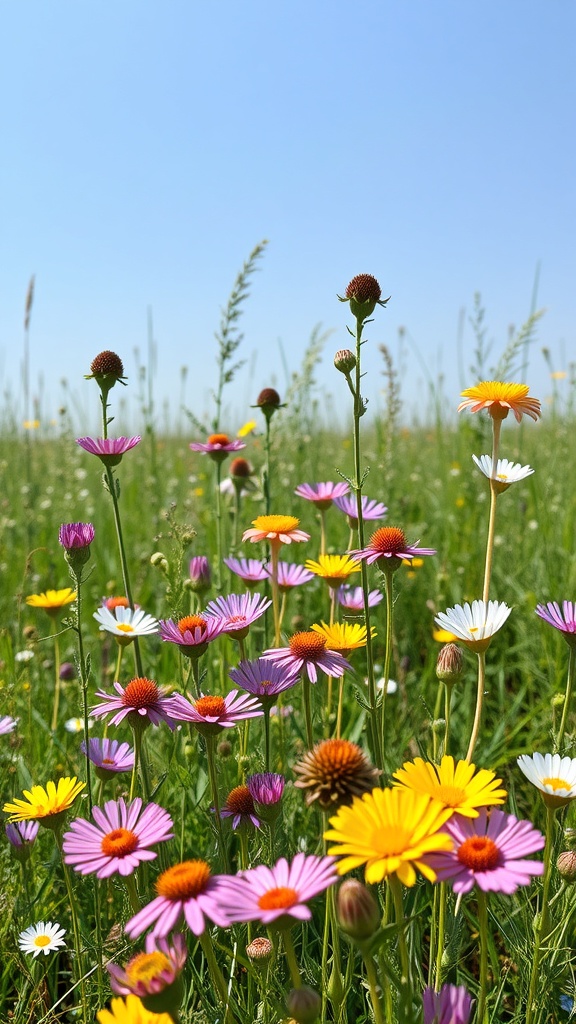
Wildflower meadows are a stunning display of nature’s creativity. The image captures a vibrant mix of flowers, showcasing a variety of colors and shapes. Each flower adds its unique charm to the scene, creating a beautiful tapestry of life.
In this meadow, you can spot daisies, daisies, and other wildflowers, each contributing to the overall beauty. The pink, yellow, and white blooms stand out against the lush green grass, inviting pollinators like bees and butterflies. This diversity is essential for a healthy ecosystem.
Wildflower species vary greatly, with some thriving in sunny spots while others prefer shade. This variety helps support different wildlife, making the meadow a lively place. The mix of colors and shapes not only pleases the eye but also plays a crucial role in maintaining the balance of nature.
Walking through a wildflower meadow is like stepping into a living painting. The sight and scent of these flowers can lift your spirits and connect you to the natural world. Each bloom tells a story of resilience and beauty, reminding us of the importance of preserving these natural spaces.
Wildflower Meadow Restoration Projects
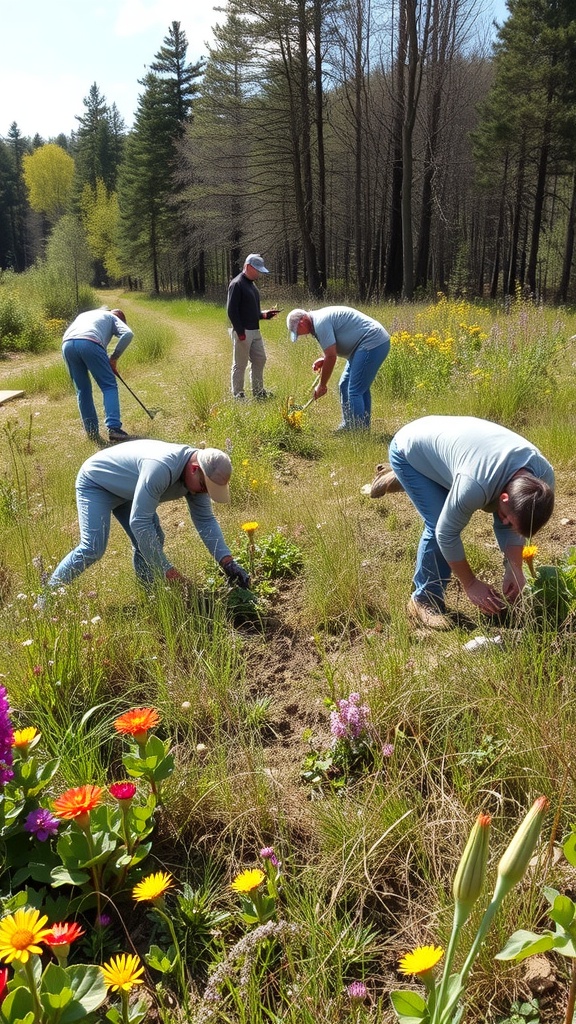
Wildflower meadow restoration projects are essential for bringing back the beauty and biodiversity of our landscapes. In the image, a group of dedicated individuals is actively working in a meadow, planting various wildflowers. Their efforts contribute to creating vibrant habitats for pollinators and other wildlife.
These projects often involve clearing invasive species and preparing the soil for new plants. Volunteers and community members come together, sharing knowledge and skills. It’s a great way to connect with nature and each other while making a positive impact.
Restoring wildflower meadows not only enhances the scenery but also supports local ecosystems. The colorful blooms attract bees, butterflies, and birds, fostering a lively environment. Plus, these meadows can help improve soil health and water retention.
Whether you’re planting seeds or simply enjoying the view, participating in a restoration project can be rewarding. It’s a chance to witness nature’s revival and contribute to a greener future.
Challenges Facing Wildflower Meadows
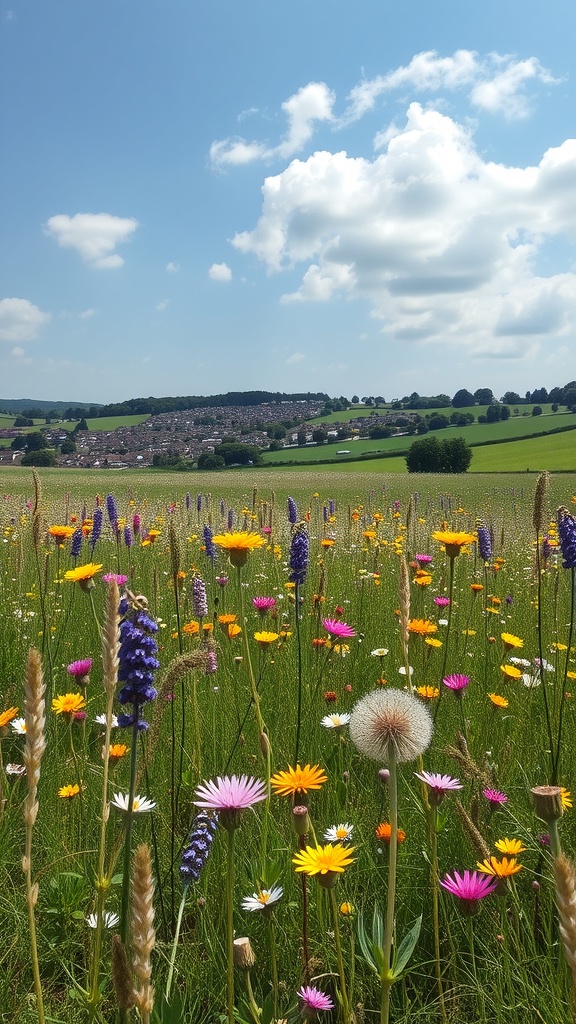
Wildflower meadows are stunning, filled with a variety of colorful blooms swaying gently in the breeze. However, these beautiful landscapes face several challenges that threaten their existence.
One major issue is habitat loss. As towns and cities expand, natural spaces are often replaced with buildings and roads. This reduces the area where wildflowers can grow, making it harder for them to thrive.
Another challenge is the use of pesticides and fertilizers in agriculture. These chemicals can harm wildflower populations and disrupt the delicate balance of the ecosystem. When wildflowers decline, it affects the insects and animals that rely on them for food.
Climate change is also a significant factor. Changes in temperature and rainfall patterns can alter the growing conditions for wildflowers. Some species may struggle to adapt, leading to a decline in diversity.
Lastly, invasive species can outcompete native wildflowers for resources. These non-native plants can spread quickly and take over, making it difficult for local flora to survive.
Educational Opportunities in Wildflower Meadows
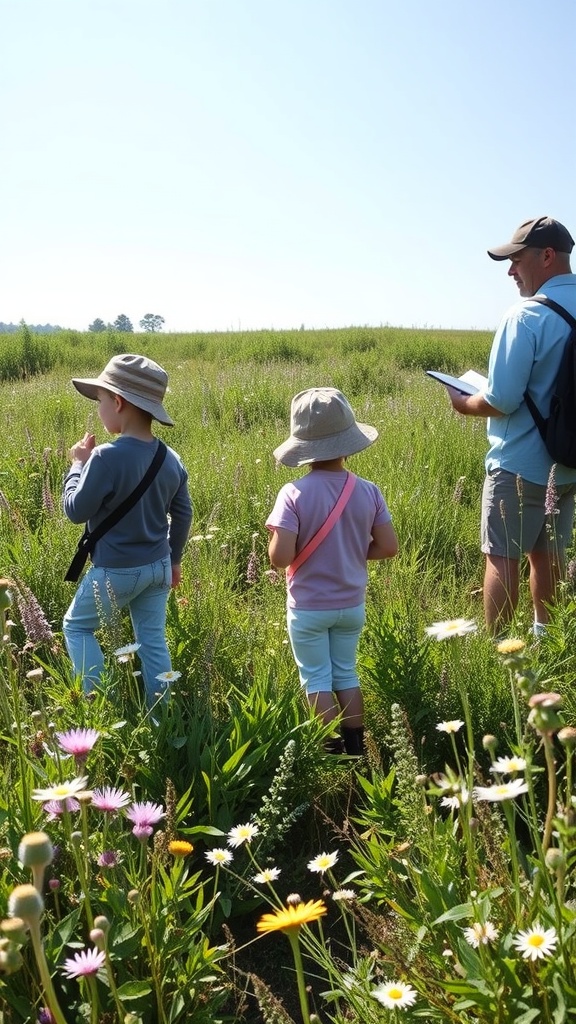
Wildflower meadows are not just beautiful; they are also great places for learning. In the image, we see a family exploring a vibrant meadow filled with colorful flowers. This setting offers a perfect backdrop for educational activities.
Children can learn about different plant species, their growth cycles, and the role they play in the ecosystem. Identifying flowers and understanding their habitats can spark curiosity and encourage a love for nature.
Moreover, these meadows provide a chance to observe insects and wildlife. Kids can discover how various creatures interact with plants, which is a fun way to learn about biodiversity. Engaging with nature in this way fosters a sense of responsibility towards the environment.
Families can also use this time to teach about conservation. Discussing how to protect these natural spaces helps children understand the importance of preserving our planet. Overall, wildflower meadows are rich in educational opportunities that can inspire future generations.
The Role of Climate in Wildflower Growth
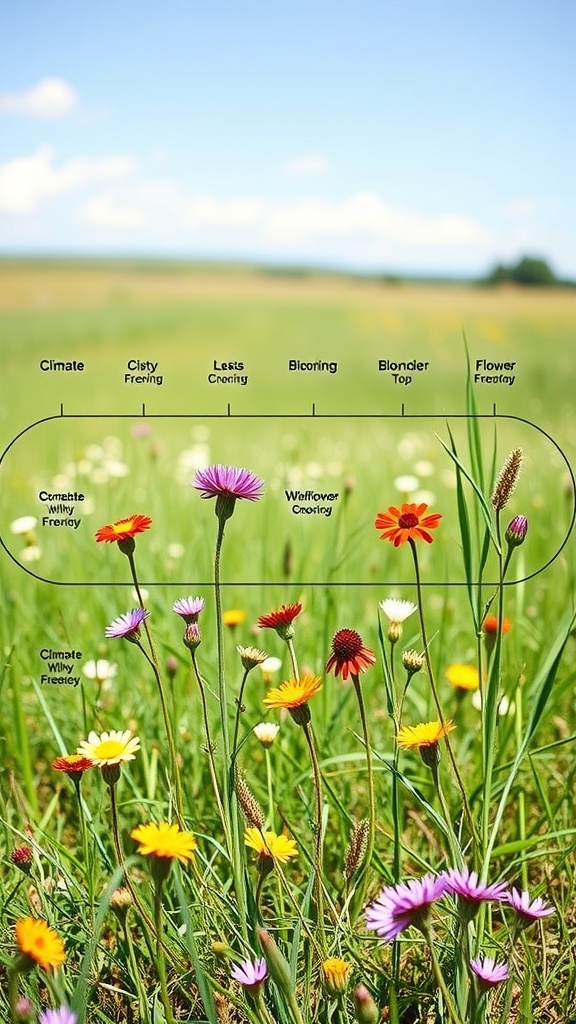
Wildflowers bring color and life to meadows, but their growth is closely tied to climate. The image shows a vibrant wildflower meadow, showcasing various flowers thriving in sunny conditions. Each flower has its own needs, influenced by temperature, rainfall, and sunlight.
Climate affects which wildflowers can grow in a specific area. For instance, some flowers prefer cooler temperatures, while others thrive in warmer climates. The chart in the image illustrates different climate conditions and their impact on flower types. This helps gardeners and nature enthusiasts understand what to plant and when.
Rainfall is another key factor. Wildflowers need enough moisture to grow, but too much rain can lead to root rot. The balance of sun and rain creates the perfect environment for these flowers to flourish. Observing local weather patterns can guide planting decisions.
In summary, climate plays a vital role in wildflower growth. Understanding these elements can help create beautiful, thriving meadows filled with diverse blooms.
Photography Tips for Capturing Wildflower Meadows
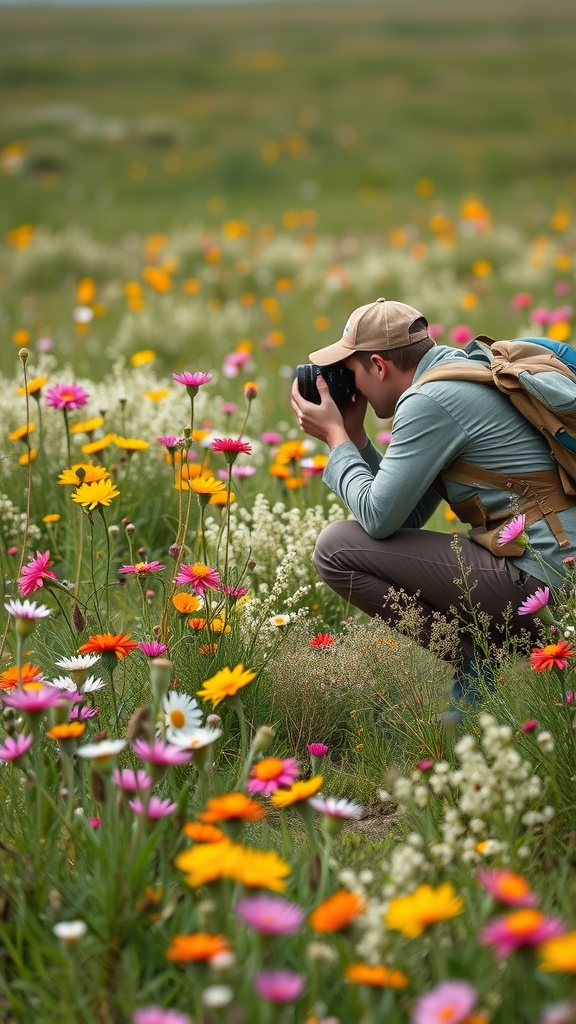
Wildflower meadows are a feast for the eyes, bursting with color and life. When photographing these stunning landscapes, it’s key to capture their beauty in a way that feels genuine. Start by getting down low. This angle allows you to include the flowers in the foreground while showcasing the vastness of the meadow behind.
Lighting plays a huge role in photography. Early morning or late afternoon light is softer and warmer, making flowers look even more vibrant. Avoid harsh midday sun, as it can create unwanted shadows and wash out colors.
Don’t forget to focus on the details. Close-up shots of individual flowers can reveal their unique textures and colors. Use a macro lens if you have one, or simply get as close as your camera allows. This can create a beautiful contrast with the wider shots of the meadow.
Lastly, be patient. Wildlife often inhabits these meadows, and waiting for a butterfly or bee to land on a flower can add a magical touch to your photos. Enjoy the process and let the beauty of the wildflowers inspire you.
Wildflower Meadows in Different Regions
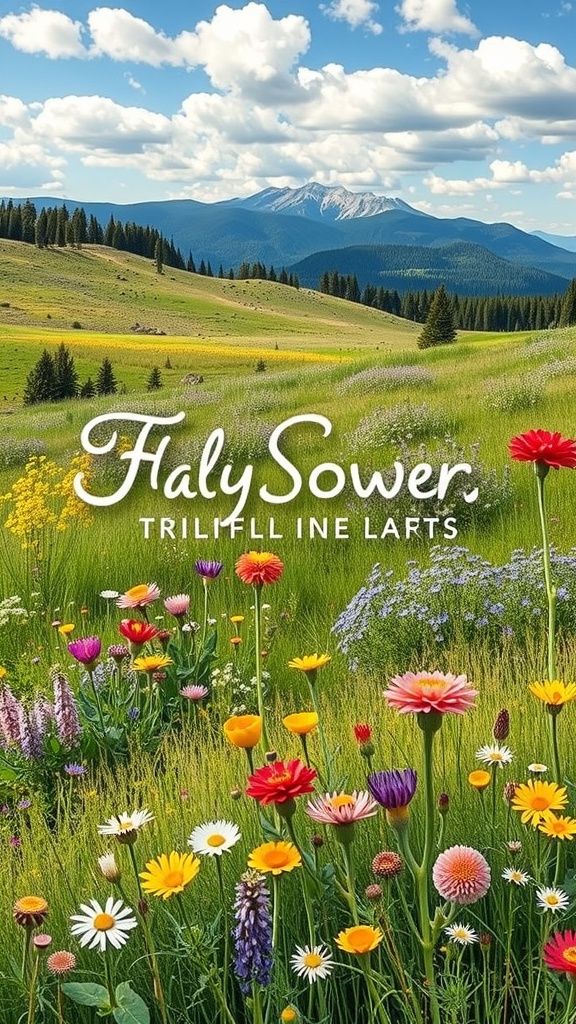
Wildflower meadows can be found in many regions, each offering a unique display of colors and textures. In the mountains, you might see vibrant blooms against a backdrop of towering peaks. These meadows often thrive in the summer, creating a stunning contrast with the green grass and blue skies.
In coastal areas, wildflowers adapt to sandy soils and salty air. Here, you’ll find hardy species that can withstand the elements. The sight of flowers swaying in the ocean breeze is truly a treat for the eyes.
In the plains, wildflower meadows stretch as far as the eye can see. These open spaces are filled with a variety of blooms, attracting butterflies and bees. The mix of colors creates a lively scene, perfect for a leisurely stroll.
Each region has its own charm, making wildflower meadows a delightful experience for nature lovers. Whether you’re hiking in the mountains or walking along the beach, these meadows offer a beautiful escape into nature.